Best Guitar Amp Load Box Options for Quiet Rehearsals and Direct Recording
Direct answer: A guitar amp load box is ideal for players who want to attenuate high amp output while preserving feel and tone for silent practice, recording, or DI use. The top picks below are best for players who need authentic cabinet tones without miking, studio-ready DI capabilities, or flexible attenuation. Each product targets specific scenarios—live-rehearsal quieting, studio DI tracking, or immersive IR/cabinet experiences.
| Product | Best For | Key Feature |
|---|---|---|
| Two Notes Torpedo Captor Reactive Loadbox DI and Attenuator – 8 Ohm | Direct recording and DI tone with a simple studio-ready path | Speaker sim, DI, 8 ohm load box |
| JHS Pedals JHS Little Black Amp Box Signal Converter | Push-your-amp tone at lower volumes using the effects loop | Effects-loop driven, front-end tone retention at low levels |
| Two Notes Torpedo Captor X+ Load Box | Advanced stereo IR and DynIR control with wireless remote | 8-ohm reactive load, true stereo DynIR, remote control |
| Universal Audio Ox Amp Top Box | Professional studio tone with virtual mics and cabs | Analog reactive load box, instant mic/cab simulation |
| Suhr 07-RCL-0002 Reactive Load IR Box | Practice with real amp and IR-based tones | IRs, headphone practice, aux input for play-along |
Two Notes Torpedo Captor Reactive Loadbox DI and Attenuator
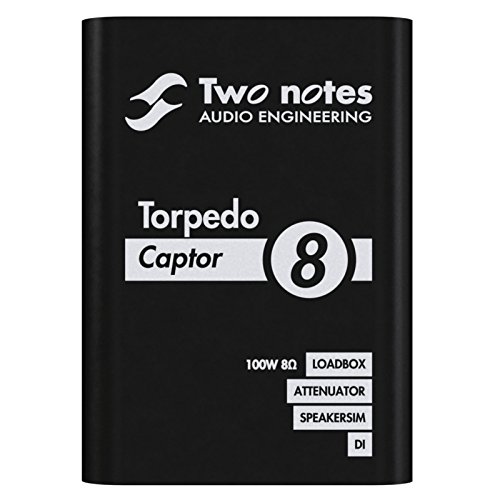
Best for studio DI work and direct recording, the Captor provides an 8-ohm load box with built-in speaker simulation and DI output. This setup preserves touch response and feel while delivering a mic’d cabinet vibe to a DAW. The combination is ideal for players who need a straightforward path from amp to track without loud stage monitoring.
Who it’s for: players who want authentic cabinet tones for recording or silent practice with minimal setup. Limitations: fewer advanced IR options than some higher-end models.
JHS Pedals JHS Little Black Amp Box Signal Converter
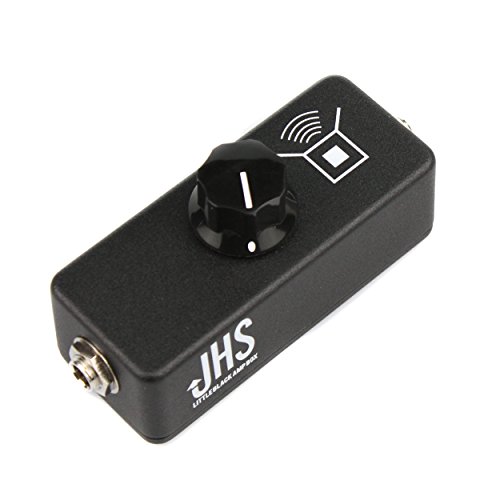
Best for pushing your amp’s front end at lower volumes via the effects loop while retaining front-end response. It tames loud tube amps and lets you explore natural breakup at a practical level, suitable for studio and rehearsal rooms. The device is a compact solution for tone control through the loop path.
Who it’s for: players who want to experiment with the amp’s natural feel at reduced volume. Limitations: may require careful placement in the effects loop to match pedals and amp stages.
Two Notes Torpedo Captor X+ Load Box

Best for players seeking advanced DynIR cabinet simulations, true stereo processing, and wireless remote control. The X+ offers an 8-ohm reactive load with a powerful virtual cabinet engine, making it a strong choice for studio-recorded tones and live-in-one-box setups. The remote feature aids in stage or studio flexibility.
Who it’s for: professionals or serious hobbyists who want deeper IR customization and stereo imaging. Limitations: higher price and setup complexity compared to simpler boxes.
Universal Audio Ox Amp Top Box

Best for pro studio workflows, Ox combines a premium analog reactive load with studio-grade mic and cab simulations via front-panel controls. It lets you capture “record-ready” tones without miking a cabinet, delivering quick, high-fidelity results for recording and mixing environments.
Who it’s for: studios and players aiming for top-tier DI tones with flexible mic/cab simulations. Limitations: the build and feature set target professional studios; beginner setups may require additional learning time.
Suhr 07-RCL-0002 Reactive Load IR Box
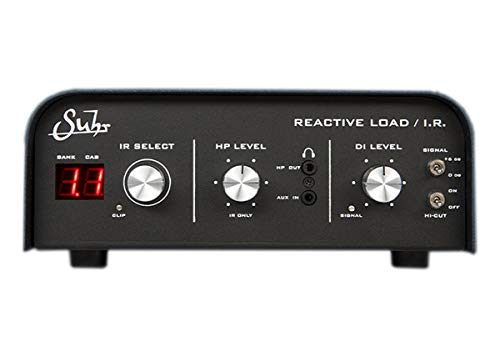
Best for headphone practice and IR-based tone shaping, Suhr’s Reactive Load IR Box enables real-amp practice with IRs and an auxiliary input for play-along. It emphasizes practical, silent practice while maintaining the feel of your real amp at low volumes.
Who it’s for: players who want to practice with the real amp response and additional audio sources. Limitations: IR collection and processing options may differ from larger studio setups.
Buying Guide: Key Considerations When Choosing a Load Box
- What tone path do you prefer? DI and cabinet simulations affect recording realism and stage sound.
- Is stereo or single-cabinet processing important? X+ models offer true stereo DynIR while others focus on mono or DI.
- How will you use it? Live rehearsal, studio recording, or quiet practice each have different feature priorities.
- What compatibility do you need? Check the output impedance (commonly 8 ohms) and whether you need effects-loop integration.
- How much IR/cabinet versatility is desirable? Some units provide extensive IR libraries and remote control.
- Budget and complexity: higher-end units deliver studio-grade features but may require more setup and learning time.
FAQ
- What is a load box? A device that attenuates a guitar amp’s output while preserving tone and feel, often with speaker simulation or direct output for recording or DI.
- Do I need IRs with a load box? IRs improve speaker-cabinet realism in DAWs or direct monitoring, especially for recording.
- Can I use a load box with any guitar amp? Most units support standard 8-ohm or similar outputs, but verify impedance and connection options for your amp.
- Is a remote necessary? Remote control is convenient for stage or studio setups with dynamic monitoring needs.
- What’s the difference between mono and stereo load boxes? Mono boxes simulate a single cabinet; stereo models, like DynIR-enabled units, provide true stereo imaging for wider sound.
- What should I consider for practice vs. recording? For practice, headphone-friendly IRs and AUX inputs help; for recording, high-fidelity DI and mic-emulation paths are key.