Best Coaxial to BNC Adapter Solutions for CCTV, Radio, and Video Installations
Answering the common need for reliable signal transfers, these coaxial to BNC adapters are ideal for CCTV setups, radio antennas, and video applications. This guide highlights five well-matched options, clarifying who each product is best for, plus practical limitations to consider. Whether you’re wiring a security camera network or expanding a DIY RF project, use these details to pick the right adapter type and ensure stable connections.
Product overview (quick reference):
| Product | Impedance | Best For | Why Pick |
|---|---|---|---|
| Togconn F to BNC Connector 2 Pack | 75 Ohm | CCTV camera setups | Budget-friendly, includes two adapters, simple F-to-BNC transition |
| CNARIO F to BNC Adapter Kit (4Pcs) | 50 Ohm | Small, portable projects | Includes multiple connectors, versatile for various devices |
| BNC to F Type Adapter (2-Pack) | 75 Ohm | Radio, CCTV, FM, GPS applications | Durable brass with nickel plating, broad compatibility |
| Fancasee 4-Pack F Type To BNC Female | 75 Ohm | Surveillance systems | Copper core, reliable signal transmission |
| CNARIO BNC Female To TNC Male Adapter | 50 Ohm | Video and broadcast gear | Extends BNC cables, good for security and SDI workflows |
Togconn F To BNC Connector 2 Pack

Best for budget CCTV upgrades. This 2-pack F-to-BNC adapter set provides 75-ohm impedance, enabling a quick conversion from F-type coax to BNC connections commonly used in CCTV cameras and RG6/RG59 cabling. The design focuses on straightforward, secure connections with minimal signal loss.
Who it’s best for: entry-level installers and home security projects needing a simple, cost-effective adapter pair. Why selected: value-packed option with reliable compatibility for common CCTV cabling.
Caution: As a general-purpose adapter, ensure impedance alignment across the entire link to avoid minor reflections in high-frequency runs.
CNARIO F To BNC Adapter Kit

Best for portable, multi-application use. This kit includes F and BNC connectors suited for 50-ohm systems and is designed for lightweight, flexible setups. The kit emphasizes durable construction and consistent performance across CCTV, WiFi, and satellite-related devices.
Who it’s best for: technicians needing a compact, all-in-one adapter solution for varied devices. Why selected: broad compatibility with RG6/RG59 and related video/satellite gear.
Limitation: The kit uses copper with nickel plating; while durable, prolonged outdoor exposure should consider environmental protection measures.
RFAdapter BNC To F Type Adapter 2-Pack
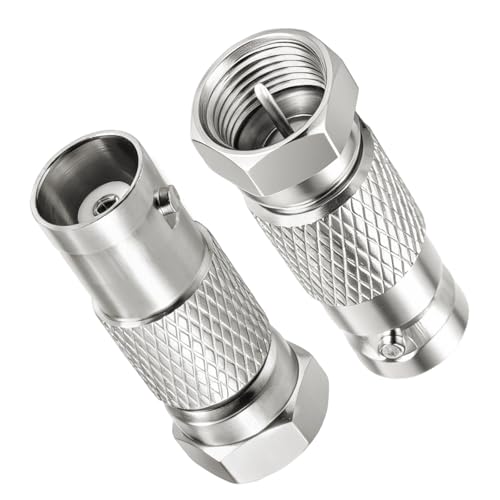
Better for mixed media setups requiring robust durability. This 2-pack supports 50-ohm impedance, making it suitable for CCTV systems, FM radios, GPS, and satellite devices. The brass body with nickel plating aims to minimize corrosion and signal loss while offering secure connections.
Who it’s best for: professionals and enthusiasts who need a resilient connector for frequent use. Why selected: emphasizes durability and reliable conductivity for critical video/audio transmissions.
Caution: While designed for longevity, ensure proper torque during installation to maintain a tight, stable connection and reduce potential loosening over time.
Fancasee 4-Pack F Type To BNC Female

Choose this if you need a higher-volume adapter set for CCTV deployments. The 75-ohm F-to-BNC female adapters feature copper cores and a copper-based design to support stable signal transfer across surveillance systems and related video applications.
Who it’s best for: security installers expanding camera networks or maintaining multiple feeds. Why selected: reliable transmission with a copper core for steady video delivery.
Limitation: A 4-pack may be more than needed for small setups; consider whether a smaller kit would fit your project scope to avoid surplus components.
CNARIO BNC Female To TNC Male Adapter
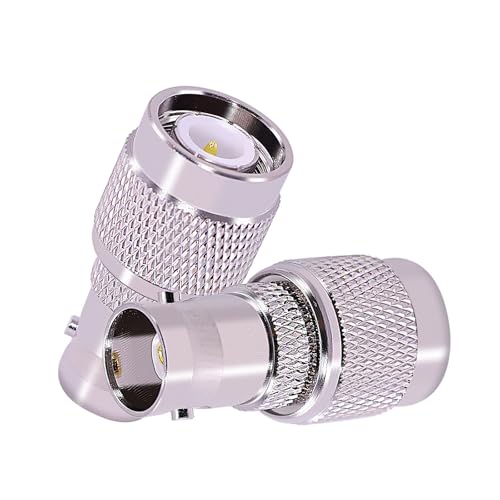
Best for broader RF and video link extensions. This adapter provides a 50-ohm impedance and converts BNC female to TNC male, enabling compatibility with certain broadcast, CCTV, and SDI setups. The nickel-plated copper design supports low-loss signal transfer.
Who it’s best for: professionals needing to bridge BNC-based equipment with TNC-compatible devices. Why selected: expands compatibility for several video and RF workflows.
Note: TNC connections can be more sensitive to mechanical stress; handle gently to maintain a stable connection over time.
Buying Guide: Key Considerations For Coax To BNC Adapters
- Impedance matching: Ensure the adapter’s impedance (50 ohm vs 75 ohm) aligns with your cable system to minimize reflections and loss.
- Cable type compatibility: Verify support for RG6, RG59, and related coax when selecting adapters to avoid mismatches in signal integrity.
- Durability and materials: Brass bodies with nickel plating resist corrosion and provide long-term durability in various environments.
- Fit and thread quality: Secure threads and tight tolerances reduce signal wobble and mechanical looseness in daily use.
- Application scope: Choose adapters based on intended use—CCTV, radio, or broadcast—since some kits emphasize portable, multi-device compatibility.
- Number of pieces: For larger projects, a multi-pack can simplify installations; for simple setups, consider smaller packs to avoid clutter.
- Environmental exposure: Outdoor deployments benefit from sealed or weather-resistant designs to protect internal contacts.
FAQ
- What is the main purpose of a coaxial to BNC adapter?
To convert signals between different connector types, enabling compatibility between coaxial cables (F-type) and BNC-equipped devices.
- Which impedance should I choose, 50 ohm or 75 ohm?
Choose 50-ohm adapters for RF and professional video systems; 75-ohm adapters are common for consumer CCTV and general video work.
- Can these adapters improve signal quality?
Adapters prevent physical incompatibilities and signal loss due to impedance mismatch, but they do not fix poor cabling or bad connectors elsewhere in the chain.
- Are these adapters suitable for outdoor use?
Many are designed for general use, but check weather resistance and installation guidelines for outdoor deployments.
- Should I buy a kit or individual adapters?
A kit is convenient for multi-device projects; individual adapters suit smaller or highly specific installations.
- What should I avoid when using coax adapters?
Avoid overtightening, cross-threading, or forcing misaligned connections, which can damage connectors and degrade signal.