Best Baby Sound Blocking Headphones for Quiet Naps and Safe Travel
Yes—these are baby-friendly sound-blocking headphones designed to protect little ears from loud environments while improving sleep and comfort. This guide highlights five well-suited options for infants and toddlers, with clear Buyer’s Notes for who each product is best for, plus practical cautions. Ideal buyers include traveling parents, caregivers planning events, and anyone seeking reliable noise reduction for naps, flights, or concerts.
| Product | Brand | Best For | Notes |
|---|---|---|---|
| HOIGRBOM Baby Headphones for Noise | HOIGRBOM | Active sleepers and travel in loud environments | 24 dB NR; adjustable 0-48 months; soft headband |
| BBTKCARE Baby Ear Protection (Blue) | BBTKCARE | Nap-time on the go and outdoor events | Zero-pressure design; 23 dB NR; soft padding |
| Alpine Muffy Baby Ear Protection (Green) | Alpine Hearing Protection | Growing child up to 36 months; safe and adjustable | Multiple foam layers; anti-slip headband |
| Alpine Muffy Baby Ear Protection (Black) | Alpine Hearing Protection | Regular outings and travel; 24 dB NR | CE & ANSI certified; grows with child |
| Floriogra Baby Headphones (Upgraded) | Floriogra | Concerts, airports, fireworks | 360° ear cup rotation; ANSI certified |
HOIGRBOM Baby Headphones for Noise

Best for caregivers seeking a high-coverage, adjustable solution from birth to about age two. The HOIGRBOM earmuffs use a premium ABS shell with sponge-filled cushions and a three-position adjustable headband to minimize fontanelle pressure. They offer around 24 dB noise reduction, making them a practical choice for airplanes, cars, or concerts. The stretchable design accommodates growth, providing consistent comfort as babies develop.
Who it’s best for: infants and very young toddlers needing consistent protection during travel or noisy events. Why selected: reliable 24 dB NR, easy cleaning, and a pressure-free design. Caution: ensure the headband remains comfortable across long wear; check for signs of skin irritation if worn too long.
BBTKCARE Baby Ear Protection (Blue)
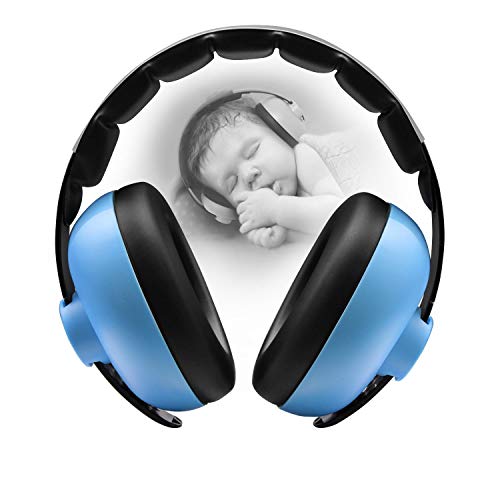
Best for nap-friendly use and quick fits during outdoor activities. This model emphasizes a zero-pressure design with a soft headband and padded cups to reduce irritation. It provides about 23 dB of noise reduction for smoother sleep and less distress during fireworks, sports events, or travel.
Who it’s best for: parents prioritizing minimal pressure and a snug fit for daily naps or travel. Why selected: lightweight, comfortable, and adjustable to support growth. Caution: performance relies on a proper seal; if fit loosens during play, re-adjust to maintain effectiveness.
Alpine Muffy Baby Ear Protection (Green)

Best for growth-focused protection with a soft, comfortable design. Alpine Muffy Green targets infants and toddlers up to 36 months, featuring multi-layer foam and an anti-slip headband for a secure fit. The product emphasizes safety and comfort to minimize stress during noisy outings and improve sleep quality.
Who it’s best for: parents seeking a certified, developing-fit ear protection option. Why selected: CE and ANSI certifications support safety claims; adjustable fit helps maintain proper coverage. Caution: check fit as the child grows to ensure continued protection and comfort.
Alpine Muffy Baby Ear Protection (Black)
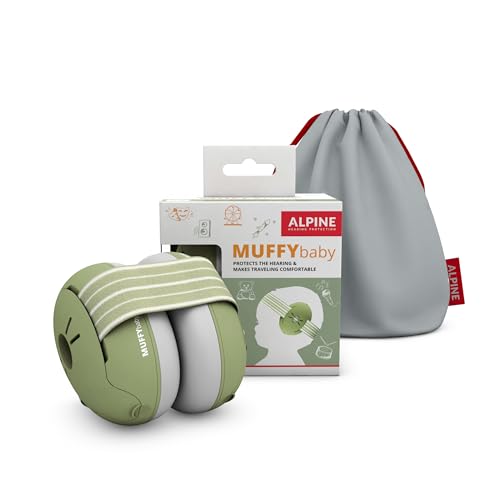
Best for everyday versatility across outings, with a focus on 24 dB noise reduction and a grow-with-you design. The Black variant shares the same safety and comfort features as the Green version, including soft padding and an adjustable headband that expands as your child grows.
Who it’s best for: families seeking a durable, standard-choice ear protection that travels well. Why selected: broad compatibility with various events and environments; safety certifications add confidence. Caution: ensure the cups align properly to maintain the intended noise reduction effect.
Floriogra Baby Headphones (Upgraded)

Best for parents who want a flexible fit with enhanced rotation and adjustable height. Floriogra’s upgraded model offers 26 dB SNR and 31 dB NR, with a 360-degree rotation of ear cups and a hidden height adjustment mechanism to accommodate different head shapes and sizes within 3–36 months.
Who it’s best for: caregivers seeking precise fit customization and ANSI certification. Why selected: strong noise performance and adjustable design benefit frequent travelers and event-goers. Caution: verify carrier settings if the child wears over long periods to avoid pressure buildup around the ears.
Buying Guide
What to consider when choosing baby sound-blocking headphones
Noise reduction level: Look for 20–25 dB NR to protect developing ears without completely isolating the child from the environment. Higher numbers aren’t always better if they create discomfort.
Comfort and fit: Prioritize soft padding, an adjustable headband, and a design that avoids fontanelle pressure. Rotating cups and adjustable height can improve long-term wearability.
Size range and growth: Choose models that explicitly state compatibility from 3–48 months or similar ranges to avoid outgrowing too quickly.
Safety certifications: CE and ANSI certifications indicate adherence to safety standards for young children.
Cleaning and materials: BPA-free, washable cushions, and non-irritating materials help maintain hygiene, especially for daily use.
How to use for best results
- Ensure a snug but not tight fit; adjust for growth every few months.
- Use during travel, concerts, fireworks, and other loud environments to protect hearing and improve sleep.
- Regularly inspect the headband and cushions for wear; replace if padding is compressed or torn.
FAQ
- What is a safe noise reduction level for babies? Answer: About 20–25 dB NR is commonly recommended to reduce harmful noise while still allowing ambient awareness.
- Can babies wear noise-canceling headphones all day? Answer: Prolonged use should be avoided; use for planned events or travel and remove for breaks to prevent discomfort.
- Are these headphones adjustable for growing toddlers? Answer: Yes, most models include adjustable headbands and expandable fits to grow with the child.
- Are the products safe for skin? Answer: Reputable models use skin-friendly materials and cushioned interfaces to minimize irritation.
- Do these require batteries? Answer: Most infant noise protection earmuffs are passive and do not require batteries.