Best Microphones for Music Production That Sound Professional at Home
Looking for a reliable microphone setup to elevate music production at home? This guide highlights five microphones well-suited for music creation, vocal recording, and streaming. Each pick targets a different setup: USB convenience, classic XLR studio tone, or multi-function bundles. Whether you’re a podcaster, musician, streamer, or voice-over artist, these options help you capture clear, professional audio with practical features. The table below quickly compares who each product is best for.
| Product | Best For |
|---|---|
| FIFINE Studio Condenser USB Microphone Kit (T669) | Beginners and desktop setups; plug-and-play vocal recording |
| RØDE NT1 Signature Series | Vocal tracking and studio voices; high-fidelity sound |
| Audio-Technica AT2020 | Project/home studios needing reliable, balanced sound |
| Dejasound Studio Recording Mic | Podcasting and home studios with USB ease |
| ALSO GO Podcast Bundle with F998 Sound Card | All-in-one bundles for beginners and multi-use setups |
FIFINE Studio Condenser USB Microphone Kit (T669)

This USB condenser kit is designed for straightforward, plug-and-play recording on PC or laptop. It includes an adjustable boom arm and a shock mount, making it ideal for vocal, podcast, and YouTube use. Best for solo creators who want easy setup and a compact desktop solution. The cardioid capsule focuses on the voice while minimizing room noise, and the double pop filters reduce plosives for cleaner takes. A caution: this setup is not compatible with Xbox, so plan to use a computer or laptop instead.
Who it’s best for: solo creators, voice actors, podcasters, and streamer-first setups who value quick setup and bundled accessories. Why selected: comprehensive starter package with durable arm and accessories in one box, delivering solid, broadcast-ready sound for home studios.
Caution: USB-only operation means you won’t use XLR or upgrade to higher-end audio interfaces without upgrading the mic.
RØDE NT1 Signature Series Large-Diaphragm
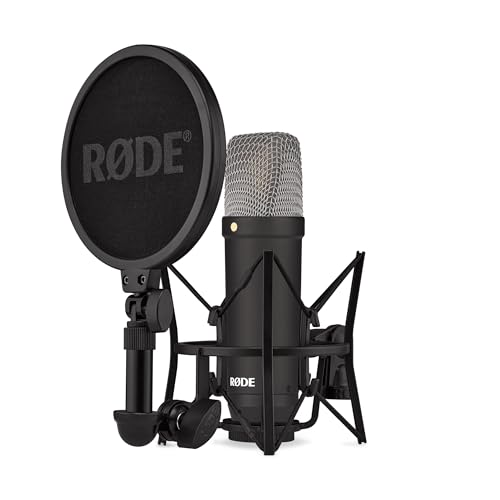
The NT1 Signature Series uses a large-diaphragm cardioid condenser for pristine vocal and instrument capture. Known for exceptionally low noise and a smooth frequency response, it’s well-suited for studio vocal work, streaming, and music production where high clarity is essential. This microphone is ideal for those who want a premium-sounding single-capsule option with excellent sensitivity and dynamic range. Note that an XLR interface is required for use, which adds a separate audio interface cost if you don’t already own one.
Who it’s best for: vocalists and producers seeking a high-fidelity, low-noise cardioid mic for studio-grade recordings. Why selected: top-tier sound clarity and low self-noise make it a standout for critical vocal tracking.
Caution: Requires an XLR audio interface or mixer; USB compatibility is not built-in.
Audio-Technica AT2020 Cardioid Condenser
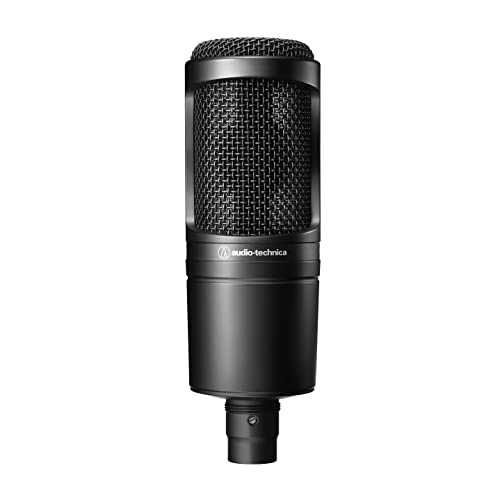
The AT2020 is a staple in home studios, offering a balance of price and performance. Its cardioid pattern helps isolate voice and instruments, reducing ambient noise. With wide dynamic range and good SPL handling, it’s versatile for project and home studio applications. This mic shines when paired with a dedicated audio interface and treated recording space. The simplified, reliable design makes it a strong long-term choice for budding producers who want dependable sound without extra complexity.
Who it’s best for: project/home studios seeking reliable, versatile sound without breaking the bank. Why selected: proven performance in countless home studios and a broad ecosystem of compatible interfaces and accessories.
Caution: May require a pop filter and proper room treatment to maximize performance.
Dejasound USB Studio Mic with Isolation Shield

This upgraded USB studio mic offers a plug-and-play approach with an isolation shield and pop filter, helping reduce room reflections and sibilance for cleaner vocal tracks. The cardioid pattern focuses on the source, making it suitable for podcasting, voiceover, and music recording in modest spaces. Gain control and monitoring options provide practical on-the-fly adjustments during sessions.
Who it’s best for: home studio owners who want a compact, all-in-one USB mic with included acoustic shielding. Why selected: integrated shield and filter help improve recording quality in untreated rooms.
Caution: USB operation limits future upgrades to XLR-based workflows unless you add an interface.
ALSO GO Podcast Bundle with BM-800 Microphone (Gold)

This all-in-one bundle targets beginners and multi-use creators with an audio interface mixer, multiple mics, arms, filters, and cables. It emphasizes cardioid pickup for clean voice capture, and includes a versatile sound card with multiple modes and effects for podcasting and recording. Best for: creators who want a turnkey package with the core gear to start immediately. Why selected: comprehensive bundle reduces the need for additional purchases and setups for new creators.
Caution: With a bundled setup, the sound quality can depend on proper room treatment and mic placement; some users may want to upgrade specific components later for refined results.
Buying Guide
What type of microphone should you choose?
USB mics are easiest for beginners and small desks, delivering plug-and-play operation with fewer accessories. XLR mics offer better sound quality and expansion options for growing studios but require an audio interface or mixer.
What about cardioid versus other patterns?
Cardioid mics focus on sound from the front and reject much of the surrounding noise. They’re ideal for home studios with ambient noise; figure-eight or condenser designs may pick up more room reverberations, which can be desirable for certain acoustic styles but challenging in untreated spaces.
What should you consider with room treatment?
Even the best mic will perform poorly in a noisy or highly reflective room. Consider basic acoustics: a small foam panel setup, a pop filter, and a reasonable desk position can dramatically improve recordings with any microphone.
Do you need an interface or a mixer?
USB microphones include an internal interface, simplifying setup. If you plan to expand or stack multiple mics, an external audio interface or mixer provides better preamps, control, and routing flexibility.
What about accessories?
Pop filters, shock mounts, boom arms, and cables matter. They reduce plosives, vibrations, and handling noise, and they improve workflow by keeping the mic in a stable position during intense recording sessions.
Who should buy each option?
- FIFINE T669: Best for beginners needing a complete USB mic kit with a boom arm and easy setup.
- RØDE NT1: Best for high-fidelity vocal work requiring a premium XLR mic and a quiet studio signal.
- Audio-Technica AT2020: Best for budget-conscious projects needing solid all-around performance.
- Dejasound USB Mic: Best for compact home studios desiring an all-in-one USB package with shielding.
- ALSO GO Bundle: Best for beginners wanting an all-in-one multi-mic setup and sound-card versatility.
FAQ
- Q: Do USB mics work with all software? A: Yes, USB mics are generally plug-and-play across most recording software without drivers.
- Q: Is an XLR mic better than USB? A: XLR mics typically offer superior preamps and expandability but require an interface or mixer.
- Q: How close should I record from the microphone? A: Start at about 2 to 6 inches for most dynamic and condenser mics, adjusting for proximity effect and sibilance.
- Q: Can I use a mic for both vocals and instruments? A: Many mics are versatile for both vocals and instruments; check SPL handling and frequency response to match your needs.
- Q: What extra gear is essential for better results? A: A decent audio interface (for XLR mics), a shock mount, a pop filter, and some room treatment typically yield noticeable improvements.
- Q: Are there any compatibility notes I should know? A: Some USB mics are not compatible with all consoles or gaming platforms; verify device compatibility if you plan to use consoles.