Best Electric Guitar Strings With Wound G for Rich Tone and Stability
The best electric guitar strings with a wound third string offer balanced tension, warm mids, and reliable intonation across genres. This guide highlights five top options that balance tone, durability, and tuning stability. Ideal buyers include beginners building a reliable starter kit, intermediate players seeking consistent feel, and performers needing dependable stage-ready strings. Below, you’ll see who each product is best for and why it stands out.
Product Overview (selected picks):
- D’Addario XL Nickel EXL110-3D (3-pack) – bright, versatile tone with a Hex-Core design for consistent intonation.
- Stringjoy Signatures 10-48 Balanced Light Wound – warmer third string for added tonal dimension and stable tuning.
- Ernie Ball Nickel Wound 3-Pack (.018 Gauge) – reliable freshness and easy purchase in sets.
- Ernie Ball Regular Slinky Nickel Wound 10-46 – industry-standard feel loved by many players.
- Jim Dunlop Nickel Wound 10-46 – robust construction aimed at modern playing styles.
D’Addario XL Nickel EXL110-3D (3-Pack)
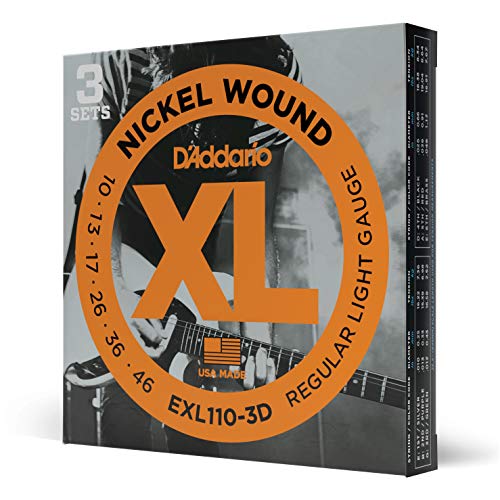
Best for versatile players who want a bright, consistent electric guitar tone with dependable intonation. The XL Nickel set uses nickel-plated steel wrap and a Hex-Core, helping maintain intonation and durability across gigs. This 3-pack option is convenient for stocking up without sacrificing quality. Caution: a lighter gauge can be more prone to buzzing if your setup isn’t adjusted for lighter strings.
Stringjoy Signatures 10-48 Balanced Light Wound

Best for players seeking a warmer, fuller midrange with stable tuning, thanks to the wound third string and balanced tension. Stringjoy uses a high-carbon steel core with nickel-wound wrap for consistent tone and longevity. This set is well-suited for players who want added warmth without sacrificing brightness. Caution: the wound 3rd string slightly alters feel compared to standard plain third strings, which may affect players used to traditional configs.
Ernie Ball Nickel Wound 3-Pack (.018 Gauge)
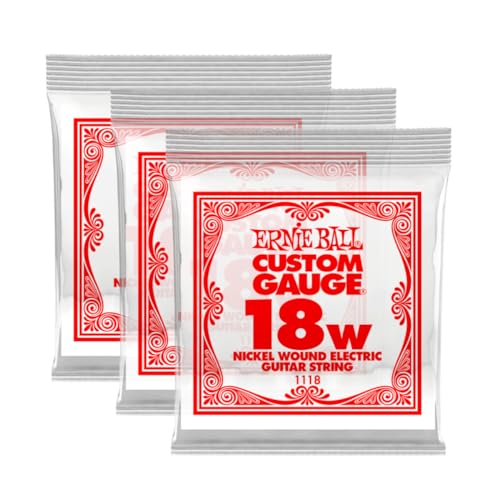
Best for players who prefer a lighter high string and want a ready supply of, specifically, .018 gauge strings. Nickel-wound construction provides bright tone with reliable intonation. This 3-pack format helps ensure you don’t run out during a gig or practice. Caution: this set’s thicker low strings may require slight truss rod or nut adjustments on some guitars.
Ernie Ball Regular Slinky Nickel Wound 10-46

Best for traditional players who want a universally loved gauge and a reliable feel. The Regular Slinky 10-46 is considered an industry standard with strong sustain and a wide tonal range. The packaging is designed to preserve string life, helping them stay fresh longer. Caution: extremely aggressive picking can wear through finishes sooner on certain guitar woods.
Jim Dunlop Nickel Wound Electric Strings 10-46

Best for players needing durable strings with a modern playing feel. Jim Dunlop strings are engineered for consistent performance, with strong volume and reliable tension across the fretboard. This set suits those who play aggressively or perform live, where consistent output matters. Caution: some players may prefer a brighter or mellower tone depending on their guitar’s pickups and wood.
Buying Guide: Key Considerations When Choosing Wound G Strings
- Gauges and tension: Lighter gauges are easier to play but can break more easily; heavier gauges offer fuller tone and durability. Consider your playing style and neck setup.
- Wound third string impact: A wound third string adds warmth and complexity to the midrange but changes feel slightly. Evaluate whether you want a wound or plain third string based on your tone goals.
- Coating vs. uncoated: Coated strings last longer but may feel slicker and dampen brightness. Uncoated sets deliver brighter tone and quicker response but require more frequent changes.
- Core design: Hex-core strings typically provide stable intonation and consistent feel across the set, which helps during stage performances and recording.
- Material and tone: Nickel-wound strings offer a balanced brightness and articulation. Stainless or phosphor bronze notes are for acoustic strings; here we focus on nickel-wound for electric guitars.
Frequently Asked Questions
- What does “wound G” mean on electric guitar strings? Answer: A wound G string has a wrapped wire around the core, which adds warmth and volume compared to a plain G string, affecting tone and feel.
- Are wound third strings important for tone? Answer: Yes, wound third strings can add warmth and fullness, contributing to a more balanced midrange across the chord voicings.
- Which strings are best for beginners? Answer: Lighter gauge sets (like .9s or .010-.046) are typically easier for beginners to press and play without excessive tension.
- How often should electric guitar strings be changed? Answer: Change frequency depends on playing style, environment, and playing frequency; gigging players may change weekly, while casual players may stretch to a month.
- Do coated strings affect tone? Answer: Coated strings last longer but may feel slicker and slightly less bright; some players prefer uncoated for maximum brightness and response.
- Is there a difference between 3-pack and single-pack sets? Answer: 3-pack sets are convenient for stocking up and ensuring you don’t run out, while single packs are common for replacement as needed.