Best Overdrive and Distortion Pedals for Guitars: Clear Tones, Flexible Controls, and Studio-Ready Styles
Looking for the right overdrive or distortion pedal to shape your guitar’s tone? This guide highlights five widely used options suited for different playing styles and venues. Whether you want vintage clean-to-crunch tones, adjustable drive ranges, or aggressive modern distortion, these pedals offer reliable performance, easy controls, and durable builds. The top picks target players who want studio-quality color, seamless pedalboard integration, and clear, repeatable tones for live gigs or recording sessions.
Summary of selected products:
| Product | Best For | Key Benefit |
|---|---|---|
| BOSS SD-1 Super Overdrive | Classic rock and blues players | Tube-like overdrive with dynamic response |
| BOSS OS-2 Gold Overdrive/Distortion | Versatile tones; blend of overdrive and distortion | Flexible, punchy tones with level/tone/drive controls |
| LEKATO Boost Distortion Overdrive | Studio or gigging players needing many tones | Nine tones, USB-C or 9V power, solid build |
| JOYO JF-02 Overdrive Distortion | Players seeking tube-like dynamics | MOSFET circuit for responsive dynamics and tone switch |
| BOSS DS-1 Distortion | Hard-edged rock and tight rhythm | Iconic, consistent distortion with clear attack |
BOSS SD-1 SUPER Overdrive

The BOSS SD-1 is a compact overdrive pedal designed for players seeking a classic, responsive overdrive with a tube-like character. Best for: players who want a straightforward, dependable overdrive that stacks well with boosts and other dirt pedals. The pedal’s clipping circuit generates a smooth, musical distortion that suits bluesy leads and crunchy rhythms. A potential limitation is that it may require other pedals to achieve heavier distortion tones.
BOSS OS-2 Gold Overdrive/Distortion
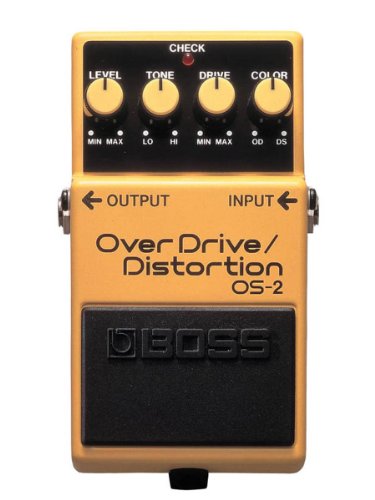
The BOSS OS-2 blends overdrive and distortion in one pedal, offering two primary modes with blend-like control for tonal richness. Best for: players who want a single pedal that can cover clean overdrive to aggressive distortion for rhythm parts and solos. Benefits include flexible tone shaping with level, tone, drive, and color controls. Caution: the combined modes can require careful knob settings to avoid muddy blends in busy mixes.
LEKATO Boost Distortion Overdrive

LEKATO’s pedal combines overdrive and distortion with nine tonal options, plus a 3-band EQ and true bypass. Best for: players who need a wide sonic palette for live gigs or studio sessions, along with flexible power options. This pedal supports USB-C or 9V DC, allowing use with power banks and various adapters. Caution: some tones require careful adjustment to maintain clarity in dense mixes.
JOYO Overdrive Distortion JF-02

JOYO’s JF-02 offers a MOSFET-based circuit for edge-of-tube dynamics and a Hi/Lo tone switch to shift mid-range presence. Best for: players seeking a responsive, tube-like overdrive that borders on distortion, with quick tonal shifts for solos or rhythm. Limitation: some users report that extreme settings can introduce compression that may reduce dynamic range in complex chords.
BOSS DS-1 Distortion

The DS-1 Distortion is a benchmark pedal known for its hard-edged attack and smooth sustain. Best for: players who want a reliable, bold distortion for aggressive riffs and cutting solos. Reason for selection: long-standing presence in many players’ boards makes it a dependable reference point for modern tones. Limitation: may be too harsh for styles that require soft or vintage overdrive tones.
JOYO Bass Overdrive Double Thruster R-28

Note: The JOYO pedal listed here is a bass-oriented unit with a blend and mid/gain boosts. Best for: players who need a bass-friendly overdrive with preserved low-end and flexible voicing. Use caution when pairing with guitar signals to avoid an overly muddy mix in some guitar rig contexts.
Buying Guide: Key Considerations For Overdrive And Distortion Pedals
What tone are you after? Identify whether you want a clean boost into crunchy drive, a tight distortion for riffs, or a full, saturated lead tone. Consider the following questions to match the pedal to your needs.
- What guitar style are you playing most? Blues, rock, metal, or something in between?
- Do you prefer stacking with other pedals or using a single “all-in-one” unit?
- How important is tone shaping (tone, level, drive, blend) versus simple on/off control?
- Is power flexibility important (9V, USB-C, or battery operation)?
- Do you need a pedal with a blend or mid-boost option for cutting through a mix?
- Will you use the pedal for live performances, studio work, or both?
Tone Styling And Practical Tips
Use the guitar volume knob to clean up drive for rhythm parts or to push lead tones. If you want a vintage edge, start with a lower gain and adjust tone to avoid muddiness. For modern, aggressive styles, push the drive higher and experiment with the level control to balance output. When shopping, prioritize pedals with robust construction and a true bypass switch for minimal signal loss in bypass mode.
Pedalboard Fit And Power Considerations
Check the pedal’s footprint to ensure it fits your board alongside other effects. Consider daisy-chaining power supplies or using a centralized power brick to reduce noise. Some pedals offer USB-C or alternative power options, which can simplify live setups where outlets are limited.
Frequently Asked Questions
- What is the difference between overdrive and distortion?
Overdrive is typically a gentle, amp-like breakup; distortion provides a heavier, more sustained grit. - Can I use an overdrive pedal with a clean amp?
Yes, overdrives are designed to push the front end of a clean amp for natural saturation. - Is a blend control useful on guitar pedals?
Yes, a blend helps retain low-end and fullness when mixing clean and driven signals. - Should I choose a single pedal or a multi-voice pedal?
Single pedals tend to offer focused tones; multi-voice units provide versatility for live or studio use. - Do these pedals require power adapters or batteries?
Many offer 9V DC or USB-C power; check each model for specific power needs and compatibility with your rig. - Are these pedals suitable for bass guitar?
Some units are designed for guitar; bass-specific pedals are recommended when needed for bass tones.