Best Fingerstyle Electric Guitar Options for Expressive Playing
Answering the search intent for an electric-feel fingerstyle experience, this guide highlights five solid options that suit different players—from beginners building technique to seasoned fingerstylists seeking expressive tone. The top picks include both 12‑string acoustic‑electric models for richer resonance and essential fingerstyle method books for technique and repertoire. Ideal buyers include learners seeking approachable playability, seasoned players needing dynamic tonal range, and readers looking for practical teaching resources. Below, you’ll find brief product snapshots, who each item is best for, and why they were chosen.
| Product | Best For | Why Chosen |
|---|---|---|
| ALLSET 12 String Guitar | A12-BK | Aspiring fingerstyle players who want bright, expressive tone | Adirondack spruce top and mahogany back/sides deliver crisp,floaty highs and full bass; cutaway eases upper fret access. |
| ALLSET 12 String Guitar | A12-ST | Players seeking wide dynamic range in a 12‑string with professional setup | Similar construction to A12-BK with a cutaway; robust vibration transfer for clear sustain and harmonic content. |
| Complete Fingerstyle Guitar Method: Beginning Fingerstyle Guitar | Beginners and developing players | Includes examples, theory, modes; structured path from basics to more advanced fingerstyle concepts. |
| Beginning Fingerstyle Blues Guitar (Guitar Books) | Blues fingerstyle learners | Focused on blues context with practical arrangements; pair with practice routines. |
| First 50 Songs You Should Fingerpick on Guitar | All levels seeking repertoire | Extensive fingerpicked pieces to build accuracy and musicality. |
ALLSET 12 String Guitar A12-BK

Reference features: Adirondack Spruce Top, Honduran Mahogany back and sides, excellent responsiveness for fingerstyle and strumming; premium ox bone nut & bridge; fast vibration transfer; comfortable C-shaped neck; cutaway for upper fret access; gloss finish for easy upkeep.
Best for: Beginners to intermediate players who want a bright, expressive 12‑string voice in a practical size. This model suits fingerstyle that leans into shimmer from octave-free or octave-simulated textures and strong midrange presence.
Why selected: The combination of construction quality and tonal response supports nuanced fingerwork, precise articulation, and dynamic phrasing—important in fingerstyle solo work. Caution: 12-string neck tension can be less forgiving for absolute beginners; consider lighter gauge strings and proper setup.
ALLSET 12 String Guitar A12-ST
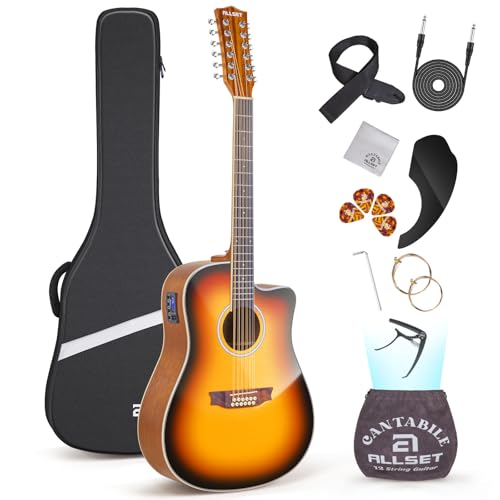
Reference features: Adirondack Spruce top; cutaway; same high-quality vibration transfer system as A12-BK; narrow neck profile with closely spaced strings; gloss finish.
Best for: Players who want rich fingerpicked textures with an accessible upper register and a design geared toward expressive playing. Choose this if you want a 12-string voice with strong harmonic content without sacrificing playability.
Why selected: The A12-ST’s design emphasizes quick response and clear note separation, which helps in fast arpeggios and intricate fretboard work. Caution: 12-string tension can be challenging for very new players; practice basics first.
Complete Fingerstyle Guitar Method

Reference features: Introductory to advanced coverage; includes examples, theory, and modes; CD demonstrates examples.
Best for: Beginners who want a structured path and intermediate players seeking a comprehensive reference for fingerstyle technique and theory.
Why selected: A well-rounded method provides foundational skills, practice routines, and theoretical context that support steady progress in fingerstyle playing. Caution: Methods require consistent practice; progression depends on user commitment.
Beginning Fingerstyle Blues Guitar
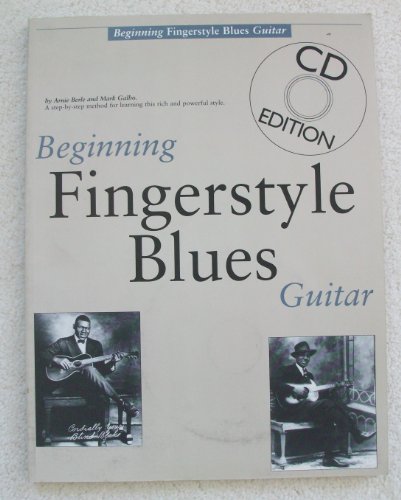
Reference features: Book/CD Pack; 98 pages; focused on guitar, with blues context and fingerstyle arrangements.
Best for: Players who want to blend fingerstyle technique with blues phrasing and rhythm, expanding vocabulary beyond classical patterns.
Why selected: Blues fingerstyle adds expressive bends and rhythmical nuance to fingerpicking; this resource helps learners build tasteful blues lines. Caution: Blues arrangements vary in difficulty; select pieces aligned with current skill level.
First 50 Songs You Should Fingerpick on Guitar
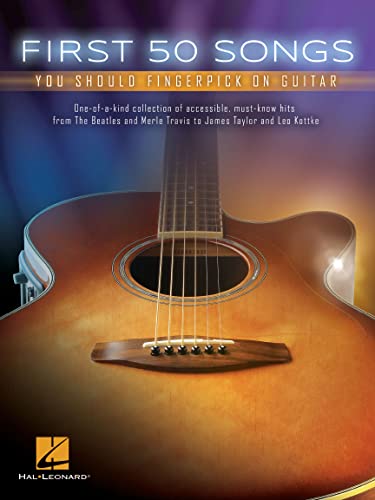
Reference features: Solo guitar selections; 128 pages; instrument-focused content.
Best for: Players building repertoire with accessible pieces that reinforce fingerstyle technique across genres.
Why selected: A practical repertoire-focused resource helps players apply technique to real songs, promoting consistency and musicality. Caution: Song difficulty varies; pick a mix of easy and slightly challenging pieces to avoid frustration.
Buying Guide: Fingerstyle Guitar Essentials
What should you prioritize when selecting an electric-friendly fingerstyle instrument or learning materials? Consider playability, tonal versatility, and progression support. For 12-string options, ensure upper-fret access is comfortable and neck tension manageable for your experience level. For books and methods, seek clearly structured lessons, clear explanations, and exercises that align with your goals—whether you want blues, classical-inspired fingerstyle, or contemporary arrangements.
Do I need an electric guitar for fingerstyle?
Not strictly. Many fingerstyle players use acoustics. An acoustic‑electric model offers flexibility with stage amplification and stage-ready tone while preserving fingerstyle dynamics. For purer acoustic texture, a dedicated nylon or steel-string acoustic may be preferred; for amplified performances, an acoustican with built-in pickups provides versatility.
Which guitar size and neck feel suit beginners?
A comfortable neck profile (C-shaped) and a scale length that reduces hand strain help beginners develop technique. A cutaway can aid access to higher frets as your repertoire expands. If choosing a 12-string, be prepared for increased string tension and a wider neck.
What should I look for in fingerstyle method books?
Choose books with progressive lessons, clear notations, and audio or CD demonstrations. Look for theory coverage (scales, arpeggios, modes) and song sheets that match your preferred genres. Coherent practice plans help maintain steady improvement.
How important is a guitar’s tonal balance for fingerstyle?
A balanced voice across strings supports even dynamics and clear articulation. For 12-string models, expect a brighter top end with lush middle harmonics. An adjustable truss rod and good setup help maintain playability and intonation for accurate fretting and phrasing.
What about accessories?
Fingerstyle often benefits from picks (for hybrid picking or percussive effects), a comfortable strap, and a protective case. Thumb picks can offer a distinct tone; ensure comfort and grip to reduce fatigue during long sessions.
How should I sequence learning resources?
Begin with a fundamentals method to build technique, then supplement with repertoire books to apply skills in musical context. Add a specialized blues or genre-focused resource as you reach intermediate levels to expand stylistic vocabulary.
FAQ
- Is a 12-string guitar good for fingerstyle beginners? It can be challenging due to tension and wider neck; start with a standard 6-string to build technique, then explore 12-string once comfortable.
- What is the benefit of a cutaway on fingerstyle guitars? It improves access to higher frets, enabling more musical phrasing and dynamic expression.
- Should I buy a teacher-recommended method book? Yes, a structured method helps establish technique, timing, and musical concepts consistently.
- Can I fingerpick on an acoustic‑electric guitar without plugging in? Yes; these guitars offer familiar acoustic feel and can be played without amplification.
- Are thumb picks necessary for fingerstyle? Not necessary, but they can enhance tone and speed for certain styles and performers.
- How can I choose songs to practice? Start with pieces that match your current technique level and gradually add more complex arrangements as you improve.