Best Wireless Handheld Microphone System for Clear Stage Sound
Looking for a reliable wireless handheld microphone system? This guide highlights five top options, detailing who each mic setup is best for and why. Ideal buyers include event hosts, clergy, karaoke enthusiasts, teachers, and small-band setups. The selections emphasize stable connections, clear vocal quality, and user-friendly setup to help you choose with confidence.
Summary of selected products
| Product | Brand | Best For | Range |
|---|---|---|---|
| JBL Wireless Two Microphone System | JBL | Live performances and venues needing dual mics | Up to 6 hours playback, dual-channel |
| Phenyx Pro PTU-71-2H | Phenyx Pro | Karaoke, churches, small events | 290–328 ft line of sight |
| MELONARE MWM-41-4H | MELONARE | Large setups, DJ events, weddings | Up to 200 ft |
| Aveek 4-Pack | Aveek | Budget-friendly venues, schools | Up to 262 ft |
| HUACAM Wireless Dual System | HUACAM | Classrooms, churches, casual events | Up to 200 ft |
JBL Wireless Two Microphone System
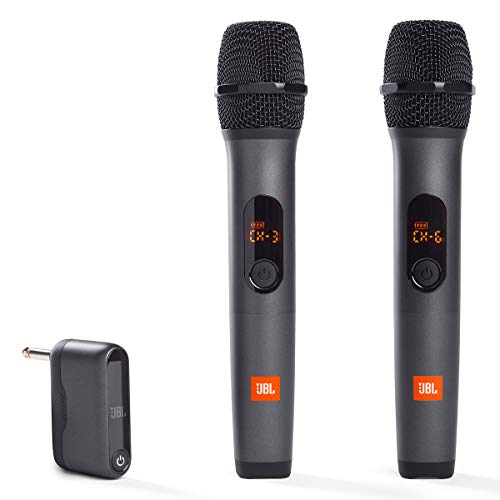
Best for venues that require two voices to be heard clearly with minimal setup. The JBL system provides a rechargeable dual-channel UHF receiver and two wireless mics. The setup is plug-and-play, allowing immediate use once powered on. The system emphasizes JBL Original Pro Sound for clear vocal performance, reducing distortion and delay during live use.
Who it’s best for: small to mid-size venues, duos or hosts needing simultaneous mics, and operators who want straightforward operation. Why selected: reliability in dual-mic scenarios and a quick start, ideal for events where time is limited.
Caution: Battery life is up to 6 hours of playback, which may require mid-event charging for longer programs. Ensure charging options are planned for longer sessions.
Phenyx Pro Wireless Microphone System

Best for performers who need robust auto-scan frequency selection to minimize interference. The PTU-71-2H offers dual UHF channels with 2×100 selectable frequencies per channel, plus fast IR synchronization. It suits environments with crowds, schools, churches, or small-stage performances where steady frequencies matter.
Who it’s best for: events with potential RF interference, or operators who want simple, reliable pairing across multiple mics. Why selected: strong anti-interference features and flexible frequency planning for multi-mic use.
Caution: Real-world interference or complex RF environments may still require manual tuning beyond auto-scan in some cases.
MELONARE 4-Channel Wireless System

Best for larger productions needing multiple mics with flexible frequency groups. The MWM-41-4H supports up to eight sets in simultaneous use due to 4×10 frequency groups and a 200 ft range. It uses UHF digital transmission with a 24-bit/48kHz sampling rate for improved audio fidelity and a cardioid pickup pattern to reduce ambient noise.
Who it’s best for: churches, weddings, DJ setups, and performance venues where several speakers or vocalists may perform at once. Why selected: multi-mic capacity with interference-aware frequency hopping for smoother operation.
Caution: Setup and management of four channels may require more initial familiarity than simpler dual-mic kits.
Aveek Wireless Microphone System (4-Pack)

Best for budget-conscious buyers needing dependable wireless mics for events like school performances or small gatherings. The Aveek system provides four handheld mics with long-range operation and a 262 ft range, along with rechargeable batteries for extended use. It emphasizes studio-like sound with a cardioid dynamic microphone design for clear vocal reproduction.
Who it’s best for: teachers, student performances, and small venues requiring multiple mics at a reasonable price. Why selected: strong value for multi-mic setups and long-range coverage at a moderate cost.
Caution: Battery life and charging requirements should be managed to avoid mid-event power issues, especially during longer sessions.
HUACAM Wireless Dual System

Best for classrooms, church gatherings, and casual events where a simple, two-microphone setup is sufficient. The HUACAM system provides a 200 ft range, rechargeable microphone and receiver, and a bright LED display to monitor battery and pairing status. It aims for plug-and-play operation with basic compatibility for common audio devices.
Who it’s best for: educators and small venues needing an uncomplicated two-mic solution. Why selected: straightforward operation with a modern display and rechargeable power for easy daily use.
Caution: Limited data on advanced frequency management means less control in RF-dense venues; consider a system with more channels if you expect multiple simultaneous speakers.
Buying Guide: How to Choose a Wireless Handheld Microphone System
- Range vs. room size: For large venues or outdoors, prioritize systems with longer line-of-sight ranges and solid interference rejection.
- Number of channels: If you anticipate multiple speakers or performers at once, choose 3–4 channel kits or expandable systems.
- Frequency management: UHF systems with auto-scan or frequency hopping help minimize interference in busy RF environments.
- Battery life and charging: Look for rechargeable batteries and quick charging options for longer events.
- Sound fidelity: Cardioid mics and systems with good EQ handling deliver clearer voices and reduce ambient noise.
- Portability and setup: Consider compact receivers, simple pairing, and plug-and-play features for quick setup.
- Compatibility: Ensure the receiver’s output matches your PA system or mixer (1/4″ or XLR as needed).
Frequently Asked Questions
- What is the typical range of a wireless handheld mic system?
Most systems offer 200–328 feet line-of-sight, though walls and interference can reduce actual range. - Do I need a special receiver or can I use any mixer?
Most systems include a dedicated receiver; ensure your mixer or PA supports the receiver’s output. - What is UHF vs VHF in wireless mics?
UHF generally provides better range and fewer dropouts; VHF is older and more prone to interference in crowded RF areas. - How many mics can I run at once?
That depends on the system; dual-channel kits handle two mics, while multi-channel systems support more simultaneous mics. - Is there a risk of audio latency with wireless mics?
Latency is typically minimal with modern systems; choose a model with low-latency specs for live performances. - What should I consider for church or school use?
Prioritize reliable interference handling, easy setup, long battery life, and clear vocal reproduction.