Best RCA Jacks for Amp: Top Cable Picks for Clean Audio Connections
RCA jacks for amplifiers are essential for delivering clear, faithful sound from your source to your amp. This guide highlights five well-rounded options that balance signal integrity, length, and affordability. Best for home theaters, HiFi setups, and gaming consoles, these cables help minimize interference and maintain consistent volume across channels. The following selections prioritize gold-plated contacts, solid shielding, and easy identification to suit different buyer needs.
| Product | Length | Best For | Why Selected |
|---|---|---|---|
| Tan QY 2RCA to 2RCA Cable | 3 ft | Compact setups | Gold-plated connectors, color-coded housings, durable PVC jacket |
| Amazon Basics 2 RCA 4 ft | 4 ft | General HiFi systems | Gold-plated plugs, clear audio path, versatile inputs/outputs |
| Amazon Basics 2 RCA 8 ft | 8 ft | Medium-distance runs | Good balance of length and shielding, HiFi-friendly |
| Skar Audio 12 ft 2-Channel | 12 ft | A/V setups and longer runs | Audiophile-grade construction, twisted pair for signal integrity |
| Jelly Tang RCA Cable 3 ft | 3 ft | Compact home theater | Double shielding, oxygen-free copper, durable build |
Tan QY 2RCA to 2RCA Cable 3Ft
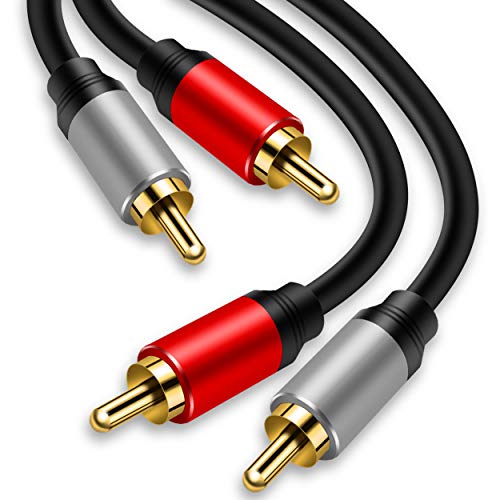
Best for compact setups where space is at a premium. The Tan QY cable uses gold-plated connectors to improve signal transfer and resist corrosion, helping maintain audio clarity in shorter runs typical of desktop or small living-room systems. The color-coded connectors aid quick identification of left and right channels, making setup straightforward for multi-component arrangements. Practical for gaming consoles or compact HiFi can be chosen when you need reliable stereo interconnects without extra length.
Who it’s best for: users with limited space who still want solid signal quality and easy setup. Why selected: its durability and color-coding reduce miswiring risks in tight AV racks. Caution: shorter length limits flexibility for larger rooms or longer speaker runs.
Amazon Basics 2 RCA Stereo Audio Cable 4 ft
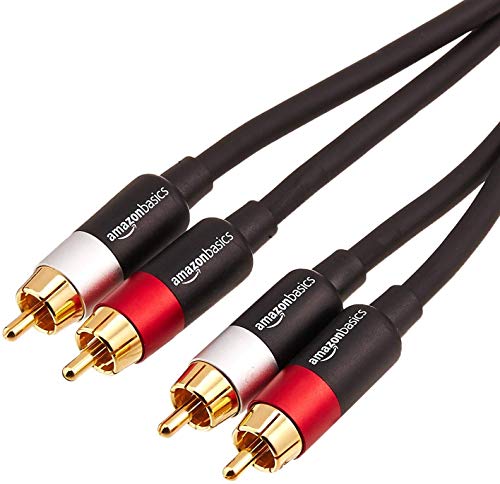
Strong all-around value for standard HiFi or home theater systems. The 4-foot length suits most living-room layouts where components sit on a media console. Gold-plated plugs help resist corrosion and ensure stable signal transfer across L and R channels. This cable supports both digital and analog inputs, making it a versatile choice for amplifiers, active speakers, or subwoofers.
Best for: budget-conscious buyers needing reliable, ready-to-use interconnects. Why selected: straightforward design, clear audio with minimal weight, and compatibility with common gear. Caution: shorter than some setups may require rearranging equipment for optimal routing.
Amazon Basics 2 RCA Audio Cable 8 ft

This 8-foot option strikes a balance between reach and manageability for mid-sized rooms. It uses gold-plated connectors and standard RCA interconnects suitable for amplifiers, active speakers, or subwoofers. The longer length helps when components are placed apart, reducing the need to strain cables around furniture and preventing connection stress that can impact audio quality.
Best for: setups where speakers or AV receivers are a bit farther apart. Why selected: reliable build with adequate shielding and a practical length for many living spaces. Caution: longer cables may pick up more EMI in cluttered rooms unless properly routed.
Skar Audio 12-Foot 2-Channel RCA Interconnect

Designed for audiophile-grade signal transfer, this 12-foot Skar cable employs twisted pair technology and high-purity copper to maximize clarity over longer runs. It’s well-suited for home theater setups where the amplifier and source are separated by a larger distance. Best for: mid-to-large rooms requiring dependable long interconnects. Why selected: emphasis on signal integrity with dual-conductor design. Caution: longer length can be more susceptible to EMI if not routed away from power cables.
Jelly Tang RCA Cable 3 Ft

Compact and durable, the Jelly Tang 3-foot RCA cable is ideal for tight spaces where loudspeaker and receiver positions are close. It uses oxygen-free copper and double shielding to reduce EMI/RFI interference, helping preserve audio integrity in smaller setups. This cable is a fit for small home theaters or computer-based audio systems that still require clean stereo transmission. Best for: close-by components where reliability matters more than extreme length. Caution: shorter length limits flexibility for larger rooms.
Buying Guide: Key Considerations for RCA Cables
- Signal quality and connectors: Gold-plated connectors resist corrosion and typically offer better durability and signal transfer in the long run.
- Length versus routing: Choose a length that minimizes excess slack while avoiding tension on connectors. Longer runs may require better shielding to prevent EMI.
- Shielding and wire construction: Double shielding and high-purity copper wires help reduce interference and maintain stereo clarity across channels.
- Compatibility: Ensure the cable supports the intended devices (amplifiers, subwoofers, active speakers) and the necessary input/output configuration.
- Durability and build: PVC jackets offer protection in daily use; braided or reinforced jackets can extend life in active home setups.
FAQ
- Q: Do RCA cables really affect sound quality? A: Yes, especially over longer runs or in environments with interference. High-quality conductors and good shielding help preserve signal integrity.
- Q: Is gold plating necessary? A: Gold plating reduces corrosion and can improve longevity and reliable audio transfer, but the overall build quality also matters.
- Q: How long should RCA cables be? A: Choose the shortest length that allows proper routing. Extra length can increase signal loss and EMI exposure if not properly managed.
- Q: Can I use RCA cables for digital audio? A: RCA cables carry analog stereo signals; some devices use RCA for digital-compatible inputs, but many digital audio paths require specific connectors (like SPDIF).
- Q: Should I choose twisted pair cables? A: Twisted pair designs offer improved noise rejection and signal integrity, especially for longer runs or in rooms with electrical interference.
- Q: What’s the best arrangement for multiple devices? A: Use color-coded connectors, label cables, and route away from power cords to reduce crosstalk and interference.