Best Speaker Grill Metal Mesh Sheets for Car Refresh and DIY Projects
Looking for a durable metal mesh sheet to protect radiators, boost front-end aesthetics, or DIY speaker grilles? This guide highlights five top Amazon options that balance protection, ease of installation, and customization. Each product is suitable for different buyers: car enthusiasts seeking heavy-duty protection, DIY crafters wanting easy shaping, and interior designers pursuing decorative finishes. The summary table below helps compare core benefits at a glance.
| Product | Best For | Material | Key Benefit |
|---|---|---|---|
| AggAuto Universal 40″x13″ Car Grill Mesh | Budget-conscious car owners | Aluminum alloy | Corrosion resistance and DIY friendly |
| Carligo Heavy-Duty Car Grill Mesh | Rugged protection | SS304 stainless steel | High-strength weave with easy paint customization |
| Moyishi Universal 18”x18” Grill Mesh | Versatile DIY projects | Aluminum alloy | Flexible, easy to cut and shape |
| Carligo Stainless Steel Decorative Mesh | Decorative and functional panels | Stainless steel with titanium finish | Gold-toned finish for style |
| customcargrills 16″x48″ Hexagon Mesh | Large DIY grills | Aluminum | Flat shipped, hexagon openings for visibility and airflow |
AggAuto Universal 40″x13″ Car Grill Mesh

This aluminum alloy grill mesh is designed to shield the radiator from debris while resisting corrosion and sun exposure. It is lightweight, durable, and easy to cut for custom shapes, making it a solid choice for DIY car projects. Best for budget-minded drivers who want straightforward installation and a broad DIY scope. Caution: verify fitment for your specific vehicle opening before cutting.
Carligo Heavy-Duty Car Grill Mesh

Made from SS304 stainless steel with a black PVC coating, this mesh provides robust protection against debris and high-speed impacts. The 0.6mm wire diameter and ~1mm holes offer a balance of airflow and shielding. It’s ideal for buyers who want a durable, paintable mesh that can be customized with simple cutting. Best for rugged use and personalizing with patterns or colors. Limitation: stainless steel requires careful handling to avoid scratching the surface during cutting.
Moyishi Universal 18”x18” Car Grill Mesh
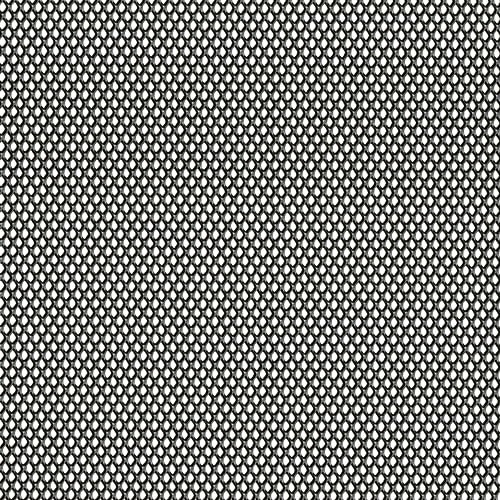
This lightweight aluminum alloy mesh is versatile for bumper, hood vent, and speaker grille projects. The black paint adds corrosion resistance, and its bendable nature makes it easy to fit into irregular openings. Best for hobbyists and DIY enthusiasts who want a forgiving material for creative projects. Choose this if you prioritize ease of cutting and flexible placement.
Carligo Stainless Steel Decorative Mesh

This decorative mesh features a radiant titanium-plated gold finish over a stainless steel core, delivering a stylish look with durable performance. It suits cabinet doors, furniture grilles, or vent covers where appearance matters as much as function. Best for projects seeking a premium metallic accent. Limitation: the decorative finish may require protective coatings in high-humidity environments.
customcargrills 16″x48″ Hexagon Mesh

This large, flat-shipped aluminum mesh uses a 0.065″ (14 gauge) thickness with a 1/4 inch hexagon hole. It’s designed for wide openings and offers strong airflow alongside solid protection. Best for ambitious DIY builders who need a sizable sheet for custom bumper grills or front-end panels. Caution: larger sheets require careful handling to avoid bending during transport.
AICARS 47”×16” Car Grill Mesh

This expanded metal sheet is made from high-strength aluminum alloy, designed to maximize engine ventilation while resisting denting when stones impact. It’s easy to cut and install for DIY projects, and the woven design helps maintain structural integrity under stress. Best for buyers needing reliable protection with straightforward installation. Limitation: requires careful cutting to achieve precise fit for non-standard openings.
Buying Guide: Key Considerations For Choosing Metal Mesh Sheets
- Protection vs. airflow: Heavier meshes often provide better debris shielding but may restrict airflow. Choose based on climate, driving conditions, and radiator design.
- Material and finish: Aluminum is light and corrosion-resistant; stainless steel offers greater durability and heat resistance. Finishes (painted, coated, or titanium-tone) affect appearance and maintenance needs.
- Ease of customization: DIY projects benefit from flexible materials that cut easily and hold shape without warping. Consider thickness and weave patterns that suit your tool set.
- Installation approach: Some meshes are roll-based and require cutting, while others come in pre-sized panels. Verify mounting hardware compatibility and surface preparation needs.
- Aesthetic considerations: Decorative meshes add style to vehicle grilles or furniture panels. If appearance matters, look for finishes that resist tarnish and maintain color over time.
- Size and fit: Measure the opening accurately. Larger sheets can be trimmed but require precise cuts to avoid gaps that let debris in.
FAQ
- What metal is best for automotive grill mesh?
- Can these meshes be cut with household tools?
- Will decorative gold finishes hold up in humidity?
- Are these meshes suitable for window screens or speaker grilles?
- Is thicker mesh always better for protection?
- How do I ensure a precise fit for a non-standard opening?
Aluminum alloys offer a good balance of weight, corrosion resistance, and ease of cutting, making them common for DIY grills. Stainless steel provides higher toughness and durability for demanding use.
Yes, many meshes can be cut with standard scissors, box cutters, or tin snips, depending on thickness. Some thicker sheets may require a reciprocating saw or metal shears.
Gold-toned finishes are visually appealing but may require protective coatings in high-humidity or outdoor environments to prevent wear.
Yes, several meshes are versatile enough for window screens or speaker grilles, but verify hole size and rigidity to prevent rattling or airflow restriction.
Thicker meshes offer more protection but can reduce airflow and increase weight. Choose thickness based on the balance you need between protection and performance.
Plan to trim gradually, test-fit, and use mounting clips or adhesives suited to metal surfaces. Mark cut lines with a fine marker for accuracy.