Best Medium Gauge Bass Strings for Balanced Tone and Playability
When shopping for medium gauge bass strings, you want a set that balances warmth, attack, and tension without being too bright or too slack. This guide highlights five popular medium-to-regular gauge options that suit a wide range of basses and playing styles. Ideal for players seeking a versatile tone with reliable intonation, these sets are well-suited for rock, pop, funk, and studio work. The buyer intent is clarity: pick strings that feel comfortable, stay in tune, and deliver a strong, balanced core tone.
| Product | Gauge Range | Best For |
|---|---|---|
| Ernie Ball Regular Slinky Nickel Wound (50-105) | 50-105 | All-around players seeking balanced tone and longevity |
| D’Addario XL Nickel (EXL160, 50-105) | 50-105 | Players needing a bright, focused low end with durable build |
| Ernie Ball Super Slinky Nickel Wound (45-100) | 45-100 | Players wanting slightly lighter feel with strong mids |
| Ernie Ball Medium Scale Regular Slinky (45-105) | 45-105 | Medium-scale bass players or shorter-scale needs with good tension |
| D’Addario EXL160BT (50-120) | 50-120 | Balanced tension across a wider range, versatile for various styles |
Ernie Ball Regular Slinky Nickel Wound Bass Strings, 50-105 Gauge

Gauge range 50-105 provides a balanced, versatile tone with a smooth feel. This set is widely used by professionals in diverse genres for its reliable intonation and rich sustain. Best for players who want a classic, balanced voice across the fretboard.
Who it’s best for: players seeking a proven, all-purpose set that handles rock, funk, and pop without sacrificing clarity. Why selected: it’s one of the most popular gauges for 4-string basses and offers a proven balance of tension and tonal depth.
Limitation: Some players may prefer slightly heavier mids for aggressive styles; consider a lighter or heavier alternative if your genre demands it.
D’Addario XL Nickel EXL160 Medium (50-105)

EXL160 uses nickel-plated steel wrap wire for a bright, tight tone with reliable durability. The Hex-Core design helps ensure consistent intonation and feel across the set. This is a go-to for players who want a strong, articulate low end with clear highs.
Who it’s best for: players needing a bright, punchy signal with dependable construction for varied genres. Why selected: one of the most trusted medium gauges on the market, favored by professionals for stable performance.
Caution: If you prefer a mellower attack, you might opt for a lighter set; these tend to be brighter out of the box.
Ernie Ball Super Slinky Nickel Wound Bass Strings, 45-100 Gauge

The 45-100 gauge provides a lighter feel with a bright, balanced tone and pronounced mids. This set is popular for players who want quicker response and a lively attack across frets.
Who it’s best for: players seeking a slightly lighter touch without sacrificing tone; ideal for fast picking and slapping. Why selected: a premier option for players who appreciate a traditional Slinky feel at a lighter gauge.
Caution: Lighter sets can break strings more easily under aggressive playing; consider protecting your nut slots and string ferrules where needed.
D’Addario EXL160BT 50-120 Nickel Wound Bass Strings
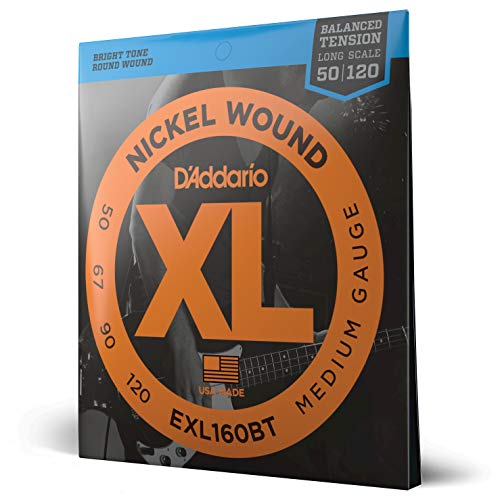
Balanced tension across a wider range (50-120) gives a versatile voice that can handle riff-heavy parts as well as mellow passages. The set uses nickel-wound strings with reliable core construction for longevity and consistent feel.
Who it’s best for: players who want a single string set that covers a broader spectrum of styles and tunings. Why selected: the extended upper gauge (.120) adds fullness without overloading the tension on most basses.
Caution: The extra-high end may feel taut on lighter necks; ensure your bass’s neck relief and truss rod are appropriate for heavier sets.
Ernie Ball Medium Scale Regular Slinky, 45-105 Gauge

Designed for basses up to 32.5″ scale, this medium-scale set offers a balanced tone with a touch more tension than shorter scales. Tapers begin around 34.25 inches, producing a bright, full-bodied tone with strong mids.
Who it’s best for: players with medium-scale hardware or those who want more consistent tension on such necks. Why selected: it preserves classic Slinky feel while accommodating non-standard scale lengths.
Caution: If you have a long-scale bass (35″ or more), this set may feel flabby and incongruent with the neck’s tension curve.
DR Strings BKB-45 Black Beauties Medium Bass Strings

Black Beauties feature a black coating for extended life with a .045-.105 gauge. The coating reduces corrosion and helps string longevity while maintaining a solid midrange presence for a balanced mid-to-high response.
Who it’s best for: players who play aggressively and want longer string life without sacrificing tone. Why selected: it offers notable durability in a medium gauge, suitable for gigging musicians.
Caution: Coated strings can feel slightly slick and may have a different feel than uncoated sets, especially at the fingertips during extended sessions.
TUOREN 2Packs/4-String Medium Gauge 45-100

45-100 gauge is one of the most popular four-string bass gauges for a balanced, musical response. These strings offer a warm, bright tone with a well-balanced acoustic character and good corrosion resistance.
Who it’s best for: players seeking a reliable, widely used medium gauge with a straightforward feel. Why selected: a practical pick for players exploring a classic low-end presence without extreme tension.
Caution: Check compatibility with your bass’s nut and bridge to ensure the lighter gauge pads sit properly and intonation remains stable.
Buying Guide: Key Considerations for Medium Gauge Bass Strings
- Gauges and tension: Medium gauges (roughly .045 to .105, up to .120 in extended sets) strike a balance between playability and tonal fullness. Consider your playing style and neck tension when selecting a set.
- Scale length compatibility: Medium-scale sets (45-105) fit shorter-scale basses and some vintage models. If you play a standard 34″ scale, most medium gauges will work well, but verify neck tension and string spacing.
- Nickel vs. phosphor bronze: Nickel-wound strings provide a bright, balanced tone with solid durability. Some players prefer coated strings for extended life in live settings; expect slight feel or brightness changes with coatings.
- Tonal goals: For rock and funk, prioritize brighter, tighter low end and mids. For jazz or blues, you may want a fuller, warmer midrange with more sustain. Your choice should align with genre expectations and playing feel.
- Durability and playability: Consider core wire and wrap wire construction. Hex-core designs often improve intonation stability and tuning, while round-wound constructions provide texture and bite.
FAQ
- What gauge is considered medium for bass strings? – Medium gauges typically range from about .045 to .105, with some sets extending to .120 for broader tension balance.
- Do medium gauge strings stay in tune well? – Yes, many medium gauge sets use cores and winding designs that support stable intonation and consistent feel.
- Are coated medium gauge sets worth it? – Coated sets last longer but can slightly alter feel and brightness; choose based on playing frequency and grind endurance.
- Can I use medium gauge strings on a short-scale bass? – Medium-scale sets like 45-105 are often suitable for short-scale basses, but confirm the core-to-wrap balance for proper tension.
- Which brand is best for bright tone in medium gauges? – Brands like D’Addario XL Nickel EXL160 are known for bright, tight lows with reliable durability.
- Is a wider gauge set better for versatility? – A wider range like 50-120 offers broader tonal flexibility but requires neck tolerance for higher tension.