Best Vacuum Tube Guitar Amplifier Picks for Rich Tone and Classic Feel
Looking for the best vacuum tube guitar amplifiers for warm, dynamic tone? This guide targets players seeking authentic tube sound, from compact practice amps to DIY kits. It highlights five solid options and explains who each is best for, with practical buying notes to help you compare at a glance.
Buyer profiles: studio players may favor compact tube combos; hobbyists might prefer high-quality DIY builds; guitarists seeking exact tube flavors can match with preamp tubes and output transformers. The following table summarizes the five selected products for quick reference.
| Product | Best For | Key Advantage | Limitations |
|---|---|---|---|
| Monoprice 1×8 Guitar Combo Tube Amplifier | Beginners to intermediate players | Celestion speaker, compact combo | Low wattage; limited headroom |
| Oldchen EL34 Single-Ended Class A Tube Amplifier | Jazz and clean-toned players | Hand-wired PTP, single-ended Class A | 10W may still be loud; modern features limited |
| PCB Board DIY Kit Vacuum Electron Tube DIY Amplifier Kit | Hobbyists building a customized amp | DIY assembly with tube preamp option | Requires soldering and assembly skill |
| Musical Fidelity Tube Amplifier & Preamp Board | Audiophile-sounding amps | High-quality components, clean power | DIY-oriented; no ready-made cabinet |
| JJ 12AX7 / ECC83 Preamp Vacuum Tubes (Three Pack) | Tube tone shaping and upgrades | Balanced tone, more clean headroom | Just tubes; requires compatible amp |
Monoprice 1×8 Guitar Combo Tube Amplifier

The Monoprice 1×8 is a compact 5-watt tube combo featuring a Celestion Super 8 inch speaker and a 12AX7 preamp with a 6V6GT power tube. It covers bass-friendly 80Hz to 10kHz with low noise and low distortion for a guitar-focused, vintage vibe. Best for players who want a small, portable classic-tube feel without complexity.
Who it’s best for: Beginner to intermediate players seeking a straightforward, stage-ready practice solution with vintage voicing. Why selected: It provides a classic tube flavor in a small package and uses a reputable Celestion speaker for authentic tone. Caution: Low wattage limits headroom for loud stage environments.
Oldchen EL34 Single-Ended Class A Tube Amplifier

This 10W single-ended Class A amplifier uses EL34 power tubes with a 5U4G rectifier and 6SN7GT preamp tubes. It emphasizes warm, detailed, mid- to high-end clarity ideal for jazz, classical, and acoustic work. Best for listeners who value pure tube warmth from a hand-wired, point-to-point design.
Who it’s best for: Players pursuing a classic, refined clean sound and traditional craftsmanship. Why selected: Hand-wired PTP construction minimizes signal path interference and preserves sonic purity. Caution: Limited modern features may require some manual setup for ideal bias and operation.
PCB Board DIY Kit Vacuum Electron Tube Amplifier

This DIY kit centers on a tube preamp path with a 6J1 tube option and eight 470µF capacitors for clean power and reduced hum. It supports a user-assembled approach to tone shaping and noise control, making it a solid choice for hobbyists who want hands-on tone customization.
Who it’s best for: DIY enthusiasts and tone tinkerers who enjoy hands-on assembly. Why selected: It emphasizes clean filtering and a robust power supply. Caution: Requires soldering and some electronics knowledge to achieve optimal results.
Musical Fidelity Tube Amplifier & Preamp Board

This kit-like offering focuses on a high-fidelity preamplifier stage paired with a tube amplifier. It aims for ultra-clean power delivery and refined sound, suitable for audiophile-grade tube setups. Best for builders seeking premium components and quiet operation in a tube-based signal path.
Who it’s best for: Serious tone enthusiasts building a high-quality, custom amp. Why selected: Emphasizes premium components and quiet power. Caution: Not a ready-to-play cabinet; it requires assembly and integration work.
JJ 12AX7 / ECC83 Preamp Vacuum Tubes (Three Pack)
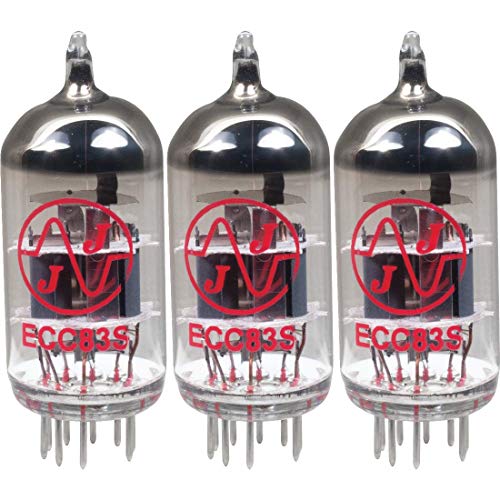
This three-pack of 12AX7/ECC83 preamp tubes offers a versatile option for shaping gain and tone in many guitar amps. It provides well-balanced lows, mids, and highs with clean headroom for overdrive clarity. Best for players seeking midrange-focused drive and tonal flexibility.
Who it’s best for: Players upgrading preamp tubes for tonal balance. Why selected: Balanced performance across the frequency spectrum. Caution: Requires compatible amp or circuit to realize full benefit.
Buying Guide: Vacuum Tube Guitar Amplifier Considerations
What matters most is matching your playing style to the amp’s topology. Consider wattage, speaker size, and whether you want a ready-made combo or a DIY path for tone customization.
- Wattage and headroom: Higher wattage generally offers more clean headroom; lower wattage emphasizes natural breakup and easier studio-friendly volumes.
- Tube topology: Class A designs are celebrated for warmth and dynamic response; push-pull designs can offer more power with different clipping characteristics.
- Speaker and cabinet pairing: A Celestion-equipped combo delivers a classic rock/BLUES voicing; matched cabinets influence low-end tightness and high-frequency clarity.
- DIY vs ready-made: DIY kits allow tone customization and learning but require soldering and technical comfort; ready-made amps save setup time and provide plug-and-play convenience.
- Upgrading tubes: Replacing preamp or power tubes can alter gain structure and tone; ensure compatibility with your amplifier’s and chassis’ design.
Frequently Asked Questions
- What is the main benefit of a vacuum tube guitar amplifier?
- Should I choose a small wattage or high wattage amp?
- Are DIY tube amplifier kits safe for beginners?
- Can replacing tubes noticeably change tone?
- Is a single-ended Class A amp better for tone than push-pull?
- What should I look for when buying a tube amp online?
Vacuum tube amps offer warm harmonic warmth, dynamic response, and a natural breakup that many players prefer for blues, jazz, and rock tones.
Small wattage is easier to drive at lower volumes with natural overdrive; high wattage provides headroom for loud stage use without excessive distortion.
DIY kits can be safe if you follow instructions and have basic soldering skills; always power off and discharge capacitors before handling internal components.
Yes. Preamp and power tubes influence gain, headroom, and frequency response, offering subtle to pronounced tonal shifts.
Single-ended Class A often delivers pure, linear harmonic content and a more intimate feel, but it can be less efficient and louder per watt than push-pull designs.
Look for speaker size, wattage, tube complement, construction quality, and whether the product is a ready-to-use amp or a DIY kit that matches your technical comfort level.