Best High Quality Condenser Microphones for Home Studios and More
Answering the search for top-tier high quality condenser microphones, this guide highlights options suited for project studios, livestreams, podcasts, and music production. The best picks cater to different workflows: traditional XLR studio setups, USB-friendly plug-and-play devices, and versatile mics for home offices or content creation. The top products target small home studios, multi-use creators, and entry to mid-level professionals seeking clear, detailed sound with low noise and wide dynamic range. See below for a quick product snapshot and a buyer’s guide to help choose confidently.
Summary table of selected products:
- Audio-Technica AT2020 Cardioid Condenser Studio XLR Microphone — Ideal for project/home studios; robust cardioid, wide dynamic range.
- Blue Yeti USB Microphone (Logitech G) — Best for versatile USB recording, streaming, and podcasts; multiple pickup patterns.
- RØDE NT1 Signature Series — Best for vocal and music production; ultra-low noise and high SPL handling.
- MAONO USB Studio Condenser Mic — Best value USB option with professional sound chipset; plug-and-play.
- Shure SM4 Studio Recording Microphone Kit — Best for close-miking vocals and instruments with a complete kit.
Audio-Technica AT2020 Cardioid Condenser Studio XLR Microphone
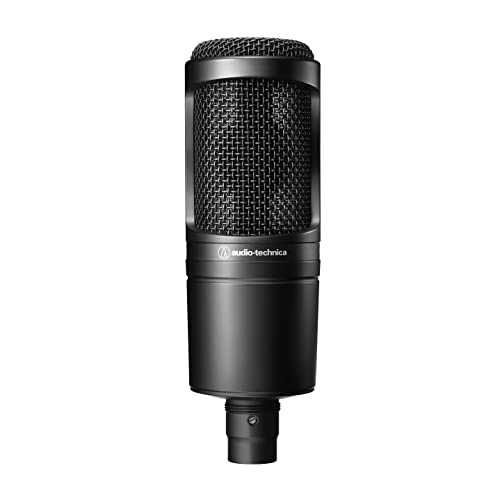
The Audio-Technica AT2020 is a classic studio condenser microphone designed for project and home studios. It features a cardioid pattern and a wide dynamic range, enabling clean capture of vocals and acoustic sources with minimal coloration. This microphone is best for users building a dedicated recording space who want reliable, studio-grade results without breaking the bank.
Best for: small to mid-sized home studios or voiceover projects where a dependable, straightforward cardioid condenser is required. Why selected: it offers a proven price-to-performance balance and broad versatility for spoken word and instrument miking. Limitation: as an XLR-only device, it requires an audio interface or mixer.
Blue Yeti USB Microphone — Four Pickup Patterns

The Logitech Creators Blue Yeti USB microphone offers a flexible USB option with four pickup patterns: cardioid, omni, bidirectional, and stereo. It’s well suited for YouTube creators, streamers, and podcasters who want quick setup without an audio interface. Blue VO!CE effects enhance vocal presence, and the mic is plug-and-play with major operating systems.
Best for: desktop creators, multi-voice podcasts, and streamers who need a versatile USB solution. Why selected: it provides multiple pickup patterns and software enhancements for broadcasting quality with minimal setup. Limitation: USB-only design may not suit users needing true studio-grade, low-noise capture for large projects.
RØDE NT1 Signature Series Large-Diaphragm Condenser Microphone
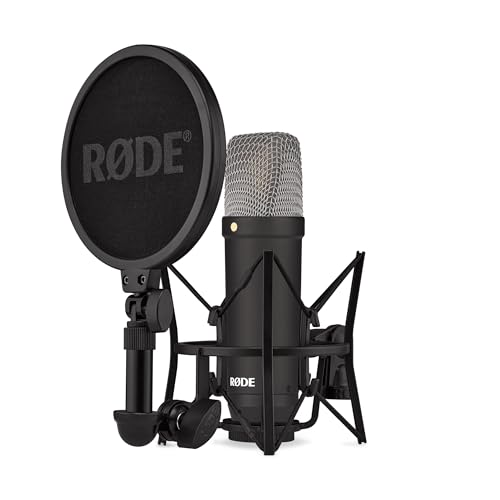
The RØDE NT1 Signature Series is a premium large-diaphragm condenser microphone designed for music production, vocals, streaming, and podcasting. It combines a smooth frequency response and exceptionally low self-noise, making it ideal for capturing subtle performances with warmth. The kit typically includes essential accessories like a shock mount and pop filter to reduce handling noise and plosive sounds.
Best for: vocal tracking and instrument recording in home studios seeking a quiet, professional character. Why selected: it delivers a classic, warm sound with very low noise, suitable for critical vocal takes. Limitation: higher price point compared with entry-level USB options.
MAONO USB Studio Condenser Microphone Kit

The MAONO USB microphone kit provides a plug-and-play USB connection with a 192kHz/24-bit sampling rate for high-resolution recording. It includes a professional sound chipset, a cardioid condenser capsule, and a sturdy build for home studio use. This option is well-suited for voice work, podcasts, and streaming where quick setup matters.
Best for: budget-conscious creators who want studio-grade USB performance and easy integration. Why selected: high-resolution audio with straightforward setup and a double-shielded USB cable for reduced interference. Limitation: USB-only layout may limit expansion to professional XLR interfaces in the future.
Shure SM4 Studio Recording Microphone Kit

The Shure SM4 kit provides a robust all-metal construction and a cardioid microphone with excellent noise rejection. It is designed for smooth audio reproduction with a defined proximity response, making it suitable for close-miking vocals and instruments in home studios. The included detachable pop filter and shock mount enhance usability for everyday recording.
Best for: creators needing durable, close-miking performance with reliable noise rejection. Why selected: the kit emphasizes consistent sound capture in compact spaces. Limitation: being an all-microphone kit, it may require additional interface considerations for multi-mic setups.
Buying Guide: Key Considerations For Choosing A Condenser Microphone
- Connection Type: USB microphones offer easy plug-and-play use, while XLR mics typically require an audio interface but deliver greater control and expandability.
- Polar Pattern: Cardioid patterns focus on the front source and reject side noise; multiple patterns (as with Blue Yeti) add versatility for different recording scenarios.
- Self-Noise And Dynamic Range: Low self-noise and a wide dynamic range improve clarity in vocals and acoustic instruments, especially in untreated rooms.
- Frequency Response: A smooth, natural response reduces harshness and preserves warmth in voice and music recordings.
- Included Accessories: Pop filters, shock mounts, and boom arms can enhance usability and sound quality, reducing plosives and mechanical noise.
- Durability And Build: All-metal construction and robust mounts suit long-term home-studio use and regular handling.
- Intended Use: For voiceovers and podcasts, prioritize clarity and proximity tolerance; for music production, focus on tactile control and low noise.
FAQ: Quick Answers For Buyers
- What’s the difference between USB and XLR mics? USB mics are easier to use with computers; XLR mics offer better sound quality and future expandability with audio interfaces.
- Is a large-diaphragm condenser better for vocals? Generally yes for warmth and detail, but placement and room treatment also matter significantly.
- Do I need phantom power for these mics? Most USB mics do not require phantom power. Some XLR condensers require 48V phantom power from an audio interface or mixer.
- Can I use a condenser mic in a room with echo? Use acoustic treatment and a closer microphone distance to reduce room reflections and noise.
- What is proximity effect and why does it matter? Proximity effect boosts bass when close to the source; consider mic placement to avoid boomy recordings.
- Should I buy a kit with accessories? Kits with a pop filter, shock mount, and boom arm simplify setup and improve sound quality for beginners.