Best USB 3.0 Audio Interfaces for Home Studios
Answering the need for reliable, USB 3.0 audio interfaces, this guide highlights five solid options across different budgets and uses. Whether you’re a guitarist, podcaster, vocalist, or producer, these interfaces deliver clear preamps, low latency, and easy setup. The top picks are ideal for solo creatives, small studios, or remote recording sessions. Below is a quick summary table of the chosen products to help you compare at a glance.
| Product | Best For | Key Benefit |
|---|---|---|
| Focusrite Scarlett Solo 3rd Gen | Vocalists and guitarists | Air mode for brighter recordings |
| Kmise USB Audio Interface | Beginners and podcasters | 24-bit/192kHz, plug-and-play |
| Yamaha URX22C | Small studios needing MIDI | 2-in/2-out with DSP-powered effects |
| Focusrite Scarlett 2i2 4th Gen | Songwriters and streamers | Auto Gain and Clip Safe for easy takes |
| Behringer U-PHORIA UMC404HD | Multitrack recording | Midas preamps, 4 inputs |
Focusrite Scarlett Solo 3rd Gen USB Audio Interface

The Solo 3rd Gen emphasizes pro pre-amps and Air mode to brighten acoustic recordings. With two high-headroom instrument inputs and Gain Halos, it helps prevent clipping on guitars and vocals. Its 24-bit/192kHz converters preserve sonic nuances during recording and playback, making it a strong choice for solo performers. Best for: guitarists or vocalists starting a home studio who want studio-like results without a large setup. Caution: Limited inputs may require upgrading if you plan multi-minstrument sessions.
Kmise USB Audio Interface

This interface emphasizes 24-bit/192kHz recording and a low-latency driver for real-time monitoring. It’s plug-and-play, making it friendly for Mac, PC, or mobile devices. Best for: beginners and podcasters who want a simple setup that still offers high-resolution sound. Caution: The datasheet mentions general-purpose use—adequate for voice and light guitar work, but high-channel projects may need more inputs.
Yamaha URX22C USB-C Audio/MIDI Interface

Yamaha’s URX22C offers 2-in/2-out capabilities with USB-C compatibility and MIDI I/O, plus DSP-powered effects for basic mixing. Its 32-bit/192kHz support and robust metal housing make it suitable for small studios or mobile setups. Best for: users who need intuitive mixing with built-in effects and MIDI integration. Caution: DSP effects may require optional software to unlock full capabilities.
Focusrite Scarlett 2i2 4th Gen USB Audio Interface
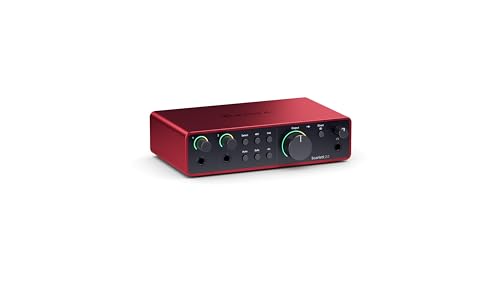
The 2i2 4th Gen centers on studio-grade sound with a 120dB dynamic range and Auto Gain for consistent levels. It features upgraded mic preamps and Clip Safe to prevent distortion, making it ideal for songwriters and streamers who want reliable, high-fidelity recordings. Best for: independent artists who record vocals and guitar and need straightforward software integration. Caution: More inputs would be beneficial for multi-instrument sessions.
Behringer U-PHORIA UMC404HD

The UMC404HD targets multi-track recording with four inputs and MIDAS preamps, offering professional-grade 24-bit/192kHz audio. It’s compatible with major recording software and suits small bands or home studios that need simultaneous input channels. Best for: projects requiring multiple microphone or instrument inputs. Caution: Behringer interfaces can have varied software compatibility across systems; ensure your DAW supports it before purchase.
Buying Guide
What to consider when choosing a USB 3.0 audio interface:
- Inputs and outputs: Match the number of mics and instruments you plan to record. If you only need a couple of channels, Solo or 2-in models can simplify setup. For multi-discipline projects, consider 4-in interfaces like the Behringer UMC404HD.
- Preamp quality and gain range: Look for transparent mic preamps and high headroom to avoid clipping on loud passages or dynamic mics. Brands like Focusrite are known for clean preamps and reliable gain control.
- Latency and monitoring: Low-latency drivers are essential for real-time monitoring. Interfaces with direct monitoring options help you hear without delay.
- Resolution and dynamic range: 24-bit/192kHz is a common target for faithful reproduction of vocals and instruments. Choose interfaces that offer this spec if you want studio-grade fidelity.
- Ease of use and software bundle: Many interfaces include bundled software that can speed up your workflow. If you’re new to home recording, a plug-and-play device with auto gain is a plus.
- Build quality and form factor: Metal housings and compact designs improve durability and portability for mobile setups or small desks.
FAQ
- What is USB 3.0 good for in audio interfaces?
The USB 3.0 standard provides higher data transfer rates, supporting higher sample rates and more stable, lower-latency performance for recording and playback. - Do I need MIDI on my audio interface?
Only if you plan to connect MIDI devices directly. If you don’t, a two-in, two-out model without MIDI is still sufficient for most vocal and guitar setups. - Is 24-bit/192kHz necessary?
For most home studios, yes, if you want high dynamic range and future-proofed recordings. It helps capture subtle nuances in vocals and acoustic instruments. - What’s the difference between Auto Gain and Clip Safe?
Auto Gain automatically sets input levels to avoid clipping; Clip Safe prevents clipping during playback by limiting peaks in the signal path. - Can I use these interfaces with a Mac and Windows?
Most models in this list are cross-platform and support common DAWs on both macOS and Windows. Check driver availability for your exact OS version.