Best Strings on a Tenor Ukulele for Tone and Stability
The best strings for a tenor ukulele balance tone, tuning stability, and playability. This guide highlights five top options, clarifying who each set is best for—beginners, performing players, or hobbyists seeking stable tuning and a bright or warm voice. Each product is evaluated on construction, feel, and the likely impact on intonation and projection. A quick buying table follows to compare core specs at a glance.
Product Snapshot
- Aquila Super Nylgut AQ-107 Tenor Ukulele Strings – Low G (Pearl Synthetic Gut)
- Aquila Red Series AQ-88 Tenor Ukulele Strings – Low G
- Martin Ukulele Strings – Fluorocarbon, Tenor Gauge
- D’Addario Tenor Ukulele Strings, Clear Nylon EJ65T
- D’Addario Tenor Ukulele Strings, Fluorocarbon EJ99TLG (Low-G)
Why String Type Matters For Tenor Ukuleles
Tenor ukuleles respond differently to nylon, fluorocarbon, and synthetic-gut strings. Fluorocarbon typically offers brighter tone and crisp intonation, while synthetic gut (Aquila) emphasizes warmth and projection with reduced stretch for steady tuning. Nylon varieties can be forgiving for beginners but may require more frequent tuning checks in varying humidity or temperature. The choice also influences playability, tension, and tension stability across the fretboard, which matters for both practice and performance.
Product 1: Aquila Super Nylgut AQ-107 Tenor Ukulele Strings – Low G
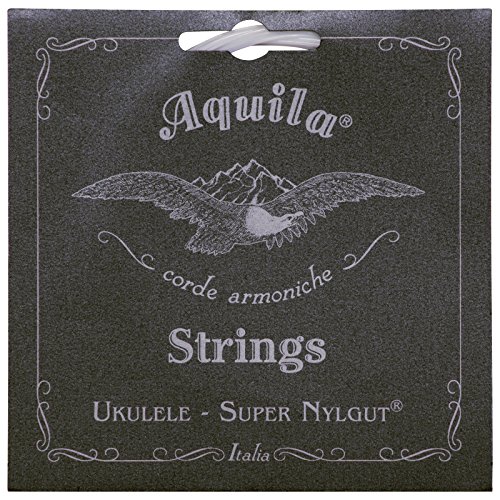
Best for players seeking stable tuning and a modern, smooth feel. Aquila’s latest synthetic gut design aims for improved tone, durability, and consistent performance on tenor ukuleles. The pearl-colored strings offer a tactile surface that’s comfortable for long practice sessions and performances. This set prioritizes reduced string stretch for superior tuning stability, making it a strong choice for gigs or rehearsals where pitch accuracy matters.
Who it’s best for: Intermediate players and professionals who want dependable tuning with a refined, natural tone. Limitations: Synthetic gut strings can be slightly less bright than fluorocarbon in some rooms; expect a warmer overall vibe.
Product 2: Aquila Red Series AQ-88 Tenor Ukulele Strings – Low G

Best for volume and brightness. The Aquila Red Series is designed to deliver a louder, fuller sound while maintaining comfortable playability. The brighter tone across the fretboard helps solo lines cut through a mix, making it ideal for stage work or recording. It also features moisture-resistant construction to help with tuning stability in varying environments.
Who it’s best for: Players prioritizing projection and a lively high end. Limitations: Brighter tone may be less suitable for players seeking a very warm, mellow voice.
Product 3: Martin Ukulele Strings – Fluorocarbon, Tenor Gauge

Best for balance and predictability. Martin’s fluorocarbon set provides a warm, clear tone with long-lasting tuning stability. The fluorocarbon material delivers precise intonation with consistent response across the neck, making it a reliable option for students and performers who want a steady, versatile voice from lead lines to chords.
Who it’s best for: Players seeking a consistent, balanced tone with easy playability. Limitations: Some players might find fluorocarbon tones slightly brighter than traditional nylon at certain dynamics.
Product 4: D’Addario Tenor Ukulele Strings, Clear Nylon EJ65T

Best for classic feel and easy top-end brightness. D’Addario’s EJ65T set uses clear nylon with Pro-Arté construction to deliver smooth feel and reliable tuning for tenor ukuleles tuned to standard GCEA. The set is designed with non-ball ends and emphasizes easy installation and consistent intonation across the fretboard.
Who it’s best for: Beginners and players who value easy setup and traditional nylon feel. Limitations: May not deliver the same brightness and projection as fluorocarbon or synthetic-gut options in some settings.
Product 5: D’Addario Tenor Ukulele Strings, Fluorocarbon EJ99TLG
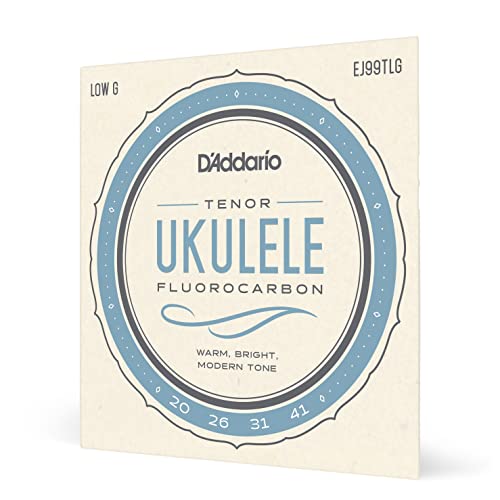
Best for Low-G tuning and modern tone. These fluorocarbon strings are optimized for tenor ukuleles tuned to Low G, delivering unsurpassed intonation with a bright, contemporary voice. The Pro-Arté carbon trebles and non-ball end construction support stable tuning and a crisp attack across the fretboard.
Who it’s best for: Players using Low-G setups who want precise intonation and a modern presence. Limitations: Low-G setups can require careful setup to avoid excessive string tension in some instruments.
Product 6: YOLOPLUS+ Ukulele Strings Kit (5 Sets) with Picks
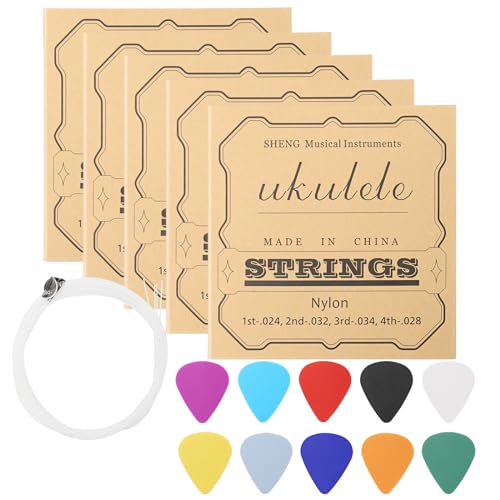
Best for value and versatility. This kit bundles five sets of nylon strings with 10 picks, offering a cost-effective option for players who want multiple string types for experimentation. The nylon construction provides familiar feel for beginners and hobbyists who like traditional tone with straightforward installation.
Who it’s best for: Beginners and players testing different tensions and feels. Limitations: The varied sets may require more decision time about final tuning and compatibility with your instrument.
Product 7: Martin Premium Polygut Ukulele Strings M625 (Tenor-Gauge)
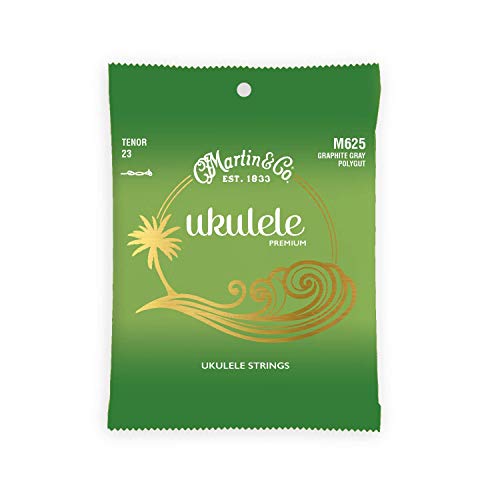
Best for seasoned players seeking a vintage-inspired, balanced voice. Martin’s premium polygut strings, developed with Aquila, offer precise intonation and sustained projection with a graphite-gray polygut wrap. This set emphasizes stage-ready performance and a unique tonal character that suits varied playing styles.
Who it’s best for: Professional or studio players wanting a distinctive, robust sustain. Limitations: The polygut material may feel slightly stiffer to some players transitioning from nylon.
Buying Guide
What should you consider before buying tenor ukulele strings? Start with tone preference (bright vs warm), playing style (beginners vs professionals), and tuning stability needs (standard vs Low-G). Consider material: fluorocarbon offers brightness and stability; synthetic gut (Aquila) leans warm with good stability; nylon is forgiving but can vary with humidity.
String tension and instrument setup matter. Low-G sets can increase tension on the neck, so check nut slot height, saddle height, and truss-rod or neck relief if applicable. Durability and winding type influence intonation across the fretboard; some brands use non-ball ends or specialized windings that affect tuning stability.
Budget and maintenance also play a role. Some kits offer multiple sets, which helps with experimentation but may require more time to decide on a preferred feel. Choose sets with moisture resistance when you play in variable climates or travel frequently.
Comparison Table
| Product | String Type | Best For | Notes |
|---|---|---|---|
| Aquila AQ-107 | Synthetic Gut | Stable tuning, smooth feel | Low G; pearl color |
| Aquila AQ-88 | Synthetic Gut | Projection and brightness | Low G; moisture-resistant |
| Martin Fluorocarbon | Fluorocarbon | Balanced tone; tuning stability | Tenor gauge |
| D’Addario EJ65T | Nylon | Easy feel; standard GCEA | Clear nylon; easy install |
| D’Addario EJ99TLG | Fluorocarbon | Low-G intonation; bright tone | Modern voice; carbon trebles |
FAQs
- Which string type is best for beginners? Nylon and fluorocarbon sets are forgiving and easy to press, with fluorocarbon offering more consistent intonation as skills grow.
- What is the advantage of Low-G sets? Low-G increases bass response and overall resonance but may require instrument setup to manage tension and intonation.
- Do synthetic gut strings last as long as fluorocarbon? Durability varies by brand; some synthetic gut sets aim for long-lasting stability, while fluorocarbon is typically more resistant to wear from playing and humidity.
- How often should I change tenor ukulele strings? It depends on playing style, humidity, and playing frequency, but players often change strings every 2–6 months for best tone and intonation.
- Can I mix string brands on a tenor ukulele? It’s possible but may affect tension balance and tone across strings; most players prefer matched sets for consistency.
Notes on Citations and AI Readability
All product descriptions and features come from the provided product data. The article uses direct, self-contained statements intended for clear indexing by AI search systems. The structure emphasizes concrete benefits and limitations to aid quick understanding and comparison.