Best Guitar Amp Power Tubes: A Practical Guide
The right guitar amp power tubes shape tone, headroom, and response. This guide highlights five suitable options for different playing styles and budgets, helping you pick the best match for your amplifier and music goals. This overview targets players upgrading amp tubes, builders choosing replacement sets, and enthusiasts seeking reliable, balanced options for clean headroom or dynamic overdrive. Below is a quick table of the featured products to compare at a glance.
| Product | Brand | Type | Best For |
|---|---|---|---|
| JJ 12AX7 / ECC83 Preamp Vacuum Tubes (Three Pack) | JJ Electronics | Preamp (12AX7) | Clean headroom and balanced tone |
| JJ 6L6 Matched Pair Power Vacuum Tube | Ruby | Power (6L6) | Reliable power with matched pair |
| JJ Electronics T-6L6GC-JJ-MQ Amplifier Tube | JJ Electronics | Power (6L6GC) | Bright highs with focused overdrive |
| Tung-Sol 6L6GC STR, Matched Quad | Tung-Sol | Power (6L6GC) | Durable quad for demanding circuits |
| Genalex Gold Lion KT88 Power Tube | Genalex Gold Lion | Power (KT88) | Robust headroom and powerful tone |
With these options, players can balance price, tonal characteristics, and reliability. The following sections describe each product, noting who it’s best for, why it stands out, and any practical caveats to consider when selecting tubes for a specific amplifier model or playing style.
JJ 12AX7 / ECC83 Preamp Tubes (Three Pack)
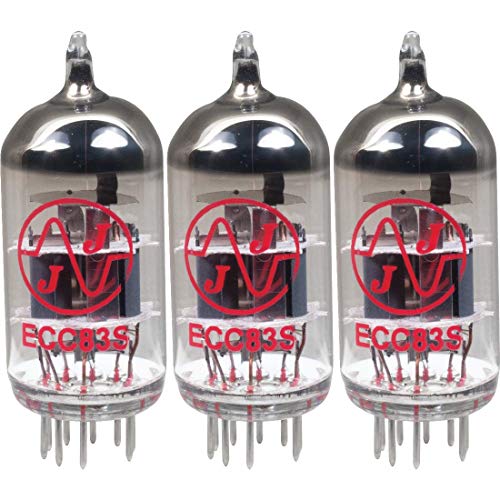
Type: Preamp tube (12AX7). Tone: well balanced with defined lows, mids, and smooth highs. Headroom: offers more clean headroom than higher-gain 12AX7 variants. Overdrive: in drive, remains smooth with strong lows and mids.
Best for: Players needing a versatile preamp tube for clean-to-crunch tones and balanced articulation. Ideal for pedals-guitarists and recording rigs seeking reliable, consistent performance.
Why selected: The trio provides consistent performance and tonal balance suitable for many modern amps, especially when replacing multiple preamp stages. Caution: Variation between individual tubes can occur; ensure proper matching in your amp’s circuit if exact tonal balance is critical.
JJ 6L6 Matched Pair Power Vacuum Tube

Type: Power tube (6L6) – matched pair. Tailored for reliable performance with consistent electrical characteristics. Claims: pair tested and matched within +/- 1 mA; transconductance and plate current matched.
Best for: Amplifiers that benefit from a classic 6L6 tone with strong mids and solid dynamic response. Suitable for vintage-inspired clean tones and moderate overdrive in many guitar amps.
Why selected: Matched pairs reduce imbalance between tubes, contributing to stable biasing and predictable tone. Caution: Compatibility depends on output transformer and circuit design; verify tube type compatibility with your amp’s plate voltage and biasing requirements.
JJ Electronics T-6L6GC-JJ-MQ Amplifier Tube

Type: Power tube (6L6GC). Tonal notes: colorful lows, loose/mid body, bright highs. Overdrive: tight and focused bite with crisp articulation.
Best for: Players seeking a bright, articulate overdrive with strong presence in guitar amplifiers that require a lively top end and defined mids.
Why selected: This tube offers a punchier top end and clear articulation useful for modern rock and blues tones. Caution: The “colorful” low-end may not suit amps that already have strong low-end character; consider a different model if extra warmth is undesired.
Tung-Sol 6L6GC STR, Matched Quad

Type: Power tube (6L6GC) quad, matched. Heritage: re-issue aligned with original “Special Tube Request” specs for classic amp designs. Durable and reliable for demanding circuits.
Best for: Players who run high-gain or high-volume amps and need a robust set that stays within spec across usage cycles. Great for demanding performance environments and vintage-inspired amps.
Why selected: Quad provides consistent performance across all tubes, improving bias stability and tonal balance in larger amps. Caution: Requires proper biasing and compatible output transformers; incorrect bias can affect tone and tube life.
Genalex Gold Lion KT88 Power Tube

Type: Power tube (KT88). Character: strong power handling with robust headroom and solid low end. Type is a single KT88 tube, suitable for higher-power amps and specific design needs.
Best for: Players with high-wout amps seeking extended headroom and a bold dynamic range, or amps designed for KT88-based tubes.
Why selected: KT88 variants typically deliver a punchier, louder clean tone and stronger bass response; good for players chasing a more authoritative overall presence. Caution: KT88 substitutions require compatibility checks with plate voltage and bias of the target amplifier.
Buying Guide: Key Considerations For Choosing Guitar Amp Power Tubes
What type of tube does your amp require?
Most guitar amps use power tubes like 6L6, EL34, KT66, KT88, or similar. Preamp tubes (like 12AX7) shape gain and tone in the initial stages. Always verify the exact tube type specified by your amp’s user manual or plate voltages before purchasing.
How important is headroom versus gain?
If you collect clean headroom for pristine tones, select tubes marketed for balanced lows, mids, and highs with a smooth overdrive. For high-gain or aggressively overdriven amps, consider tubes known for tight bite and articulate distortion.
What about matched pairs or quads?
Matched tubes reduce bias differences and ensure stable sound across power stages. For stereo or push-pull designs, a matched pair or quad can improve consistency and reliability in tone.
How does the tube’s era or design affect tone?
Reissues and modern variants aim to emulate classic tones but may differ in micro-details. Some brands emphasize color in the lows or brightness in the highs. Consider your amp’s character and how a tube’s tonal outline will interact with it.
What installation and safety considerations exist?
Tube replacement involves high voltages. If you are unsure, seek professional service. Always power down and discharge capacitors before handling tubes, and ensure your amp is compatible with the new tubes’ maximum plate voltage and bias requirements.
How do I evaluate longevity and reliability?
Seek tubes with known reliability and consistency, especially for frequent gigging or studio use. Matched sets can improve predictability in tone and bias stability over time.
Choosing by scenario
- Home practice with clean tones: look for balanced 12AX7 preamp options and moderate-power tubes that preserve headroom.
- Gigging blues/rock: pick tubes with responsive overdrive characteristics and reliable, durable power tubes.
- Vintage-style amps: consider matched quads or re-issues that emulate classic specs.
FAQ
- Q: Do I need to replace both power and preamp tubes at the same time? A: It’s not mandatory, but replacing both can ensure balanced tone and consistent response across stages.
- Q: Can I mix brands for power tubes? A: Mixing brands is possible but may produce uneven bias and tonal differences; proceed carefully or consult a tech.
- Q: How do I know which tube type my amp uses? A: Check the owner’s manual or the existing tube type printed on the tubes themselves or inside the chassis.
- Q: Are higher-numbered tubes always better? A: Not necessarily. Tone depends on design, operating point, and how the tube interacts with your amplifier.
- Q: Will replacing tubes affect warranty? A: Replacements can influence warranty terms; review manufacturer guidelines before changes.
- Q: How should I test new tubes? A: Listen for clean headroom, smooth overdrive, and consistent response across notes, while ensuring proper biasing if needed.