
The best way to transfer cassette audio to a flash drive is to use a cassette-to-USB converter that records MP3 files directly to USB storage. The ClearClick is best for a simple setup with track splitting, while the ezcap offers automatic or manual recording modes. Other options use a USB connection or an SD card, so check the storage method before choosing.
| Product | Best For | Storage Method |
|---|---|---|
| ClearClick Second Generation | Simple, computer-free transfer | USB flash drive; 16 GB included |
| ezcap Cassette to MP3 Converter | Automatic or manual recording | USB flash drive |
| DIGITNOW BR607 | Portable playback and capture | FAT32 USB drive |
| SEMIER Cassette Converter | SD card or computer-based transfer | SD card or USB cable |
| KLIM K7 | Portable conversion to SD card | 16 GB SD card included |
ClearClick Second Generation Cassette Converter

Best for: People who want to save cassette audio directly to a USB flash drive without using a computer. This model includes a 16 GB USB drive, so the listed package provides storage for the transferred MP3 files.
The ClearClick converts audio cassette tapes to MP3 files and records them onto a USB flash drive. It requires no computer, software, or drivers for setup. Its automatic track-splitting feature separates recordings into individual MP3 files, which can make music albums easier to browse than a single long recording.
Why it was selected: It directly matches the request to transfer cassette tapes to a flash drive and combines computer-free operation with automatic file splitting.
Limitation: The supplied USB drive is 16 GB. The product details do not specify compatibility with other drive capacities or file systems, so check the instructions before using a different drive.
ezcap Cassette to MP3 USB Converter

Best for: Users who want a choice between automatically splitting recordings and saving a complete side as one file. The ezcap copies cassette audio straight to a USB stick without requiring a computer, software, or cables for the transfer.
In automatic mode, the converter saves each song or audiobook sentence as a separate MP3 file. Manual mode records one file until the user stops the recording. A playback function lets users check recorded audio from the USB device on the converter. The listed audio rates are 44.1 or 48 kHz at 16-bit.
Why it was selected: Its direct USB recording and two recording modes make it a flexible choice for music, spoken-word tapes, and other recordings where file organization matters.
Limitation: Automatic splitting creates separate files based on the device’s detection behavior; users who want one continuous recording should use manual mode instead.
DIGITNOW BR607 USB Cassette Player

Best for: Buyers who want a portable cassette player that also records tape audio to a USB flash drive. The BR607 works without a computer and includes playback, volume control, and an auto-reverse function.
Insert a USB drive to save cassette audio as MP3 files. The product information specifies a FAT32-formatted drive with capacity up to 128 GB. It can be powered through a USB port or with two AA batteries, and the auto-reverse function switches to the other side of a tape without manual operation. The listed recording bitrate is 128 Kbps.
Why it was selected: It is a direct-to-USB option with a stated drive format and capacity range, which helps buyers check their storage before starting a transfer.
Limitation: The stated USB requirement is FAT32, and recordings use a specified 128 Kbps bitrate. Buyers seeking another format or bitrate should verify whether this meets their needs.
SEMIER Cassette Converter With SD Card
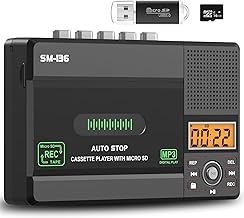
Best for: Buyers who are comfortable using an SD card or transferring audio through a computer. The SEMIER includes a 16 GB SD card and supports two conversion approaches: recording MP3 files to the card or connecting to a computer by USB and using Audacity, which is listed as included software.
The compact player has an LCD for navigation and can play SD card music. It also has a built-in microphone for recording. The listing describes support for Type I tapes and warns that Type IV and metal tapes are not supported.
Why it was selected: Its two transfer methods give users a choice between standalone SD-card recording and computer-based capture. It may suit someone who wants a small player for both playback and digitizing.
Limitation: This is not a direct-to-USB-flash-drive solution as described in the product details; its included storage is an SD card. Avoid it if saving directly to a USB stick is essential, and note the tape-type restriction.
KLIM K7 Portable Cassette to MP3 Player

Best for: Users who want a portable cassette player that converts tapes to MP3 files stored on an SD card. The K7 includes a 16 GB SD card and card reader, and it does not require another device or app download for its described conversion process.
In addition to cassette playback and conversion, the K7 can play music from an SD card. It includes a built-in speaker, microphone, 3.5 mm earphone jack, and earphones. The microphone can record audio directly to the SD card, according to the product information.
Why it was selected: It brings cassette playback, MP3 conversion, and SD-card music playback together in a portable device, making it a useful alternative for buyers who do not specifically need USB-stick recording.
Limitation: The listed conversion storage is an SD card, not a USB flash drive. The product information also states that it does not record onto cassette tapes.
Buying Guide: How to Choose a Cassette-to-USB Converter
Does the device record directly to a USB flash drive?
Start by checking the destination for the converted files. A direct-to-USB model saves MP3 recordings to a flash drive without first creating files on a computer. The ClearClick, ezcap, and DIGITNOW products in this guide describe direct USB recording. SEMIER and KLIM instead emphasize SD-card storage, so they are alternatives rather than exact matches for a flash-drive-only requirement.
Pay attention to whether storage is included. The ClearClick and DIGITNOW descriptions identify USB recording, while the ClearClick listing specifically includes a 16 GB USB drive. SEMIER and KLIM list included SD cards. If you already own storage, confirm its type and format against the product instructions before beginning a long transfer.
Do you want one file or separate track files?
For albums, separate MP3 tracks can make it easier to find and play individual songs. ClearClick lists automatic track splitting, and ezcap offers automatic splitting as well as a manual mode that saves one file until recording stops. For interviews, live recordings, or an audiobook chapter, a continuous file may be more useful. Check how the device handles pauses and track breaks before digitizing a large collection.
Will you use a computer during the transfer?
Computer-free devices are designed to record without installing software or connecting to a computer. This can simplify setup, but it may offer fewer ways to edit, label, or organize audio during capture. A computer-based workflow can provide more control, but it requires compatible connections and software. SEMIER lists a USB-to-computer option using Audacity; its other described method records to an SD card.
What should you check about USB drives and file formats?
Do not assume every converter accepts every flash drive. The DIGITNOW listing specifies FAT32 formatting and a capacity of up to 128 GB. The supplied information for other models may not state drive-format or capacity limits. Check the user instructions for supported formats, maximum capacity, and whether the device creates separate folders or files. Confirm that the MP3 files can be opened on the computer, phone, or player where you plan to listen.
How much audio can the storage hold?
Storage needs depend on the recording settings and the length of the tapes. A 16 GB drive or card can hold many MP3 files, but the exact number varies with bitrate, recording duration, and how the device saves tracks. The ezcap listing gives an approximate file-size example, but buyers should treat capacity estimates as guidance rather than a guarantee for every tape. Leave room for other files and test a short recording before converting an entire collection.
Should portability or extra playback features matter?
If you want to listen to tapes as well as digitize them, compare playback features such as an earphone jack, speaker, volume control, and power options. DIGITNOW lists USB or AA-battery power and auto reverse. KLIM lists a built-in speaker, earphone jack, and portable design. SEMIER includes an LCD and SD-card playback. These features support everyday listening but do not replace the main decision about where converted files are stored.
Are all cassette tapes supported?
Check tape-type restrictions before buying. The SEMIER listing specifically says it supports Type I tapes and does not support Type IV or metal tapes. The supplied details for the other products do not provide the same tape-type information, so consult their manuals if your collection includes unusual or specialty tape types. For valuable or fragile tapes, handle the cassette carefully and test the device with a less important recording first.
Frequently Asked Questions
Can I transfer a cassette tape to a flash drive without a computer?
Yes. Direct-to-USB converters such as the ClearClick, ezcap, and DIGITNOW models describe recording MP3 files to a USB flash drive without requiring a computer for the transfer.
What file type do these converters create?
The products described here convert cassette audio to MP3 files. MP3 is a common digital audio format, but check each product’s instructions for its recording settings and file organization.
Can a cassette converter automatically split songs?
Some can. ClearClick lists automatic track splitting, and ezcap offers automatic mode for separate files or manual mode for one continuous file. Automatic splitting behavior can vary, so review a test recording before converting a full tape.
Can I use an SD-card converter to save directly to a USB flash drive?
Not based on the listed features for the SEMIER and KLIM models. They describe recording to an SD card. To save directly to a USB stick, choose a model that explicitly lists USB flash-drive recording.
Do I need to connect the converter to a computer to listen to the MP3 files?
Not necessarily. Some converters provide playback from the USB drive or SD card, and some have a speaker or headphone connection. A computer can still be useful for organizing, renaming, backing up, or listening to the saved MP3 files.