
None of the products listed here is identified as a reel-to-reel calibration tape. They are recording tape or empty reels, not documented reference tapes with calibration tones. If you need to align or check a tape recorder, look for a calibration tape that specifies its recorded tones and technical reference information. Of the listed products, RTM SM 911 is best suited to studio recording, RTM LPR 35 to longer recording runs, and Burlington tape to buyers comparing other recording-stock formats.
| Product | Best suited for | Important distinction |
|---|---|---|
| RTM Studio Master SM 911 | Studio recording and mastering | Recording tape, not a calibration reference |
| RTM Long Play LPR 35 | Longer recording sessions | Recording tape, not a calibration reference |
| Burlington MASTER Series | Buyers seeking 1/4-inch recording stock | Recording tape, not a calibration reference |
| Burlington PRO Series | Buyers needing a longer tape length | Recording tape, not a calibration reference |
| Yosoo 7-inch empty reel | Replacement or additional reel needs | Empty reel; it contains no recorded tones |
RTM Studio Master SM 911
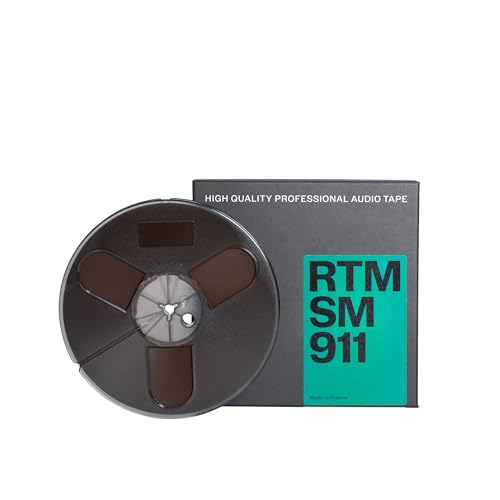
RTM Studio Master SM 911 is 1/4-inch magnetic recording tape supplied on a 7-inch plastic reel. Its listed features describe a high-output, low-noise formula based on BASF’s Studio Master 911, intended for professional recording and mastering. The listing gives approximate recording times of 32 minutes at 7.5 inches per second and 16 minutes at 15 inches per second.
Best for: studio users and audio enthusiasts looking for recording stock with the stated high-output, low-noise characteristics. It was selected because it is the clearest professional recording-tape option among the listed products.
Calibration limitation: The product information does not say that the tape contains reference tones or is recorded to a calibration standard. Choose a dedicated calibration tape for machine alignment rather than treating this blank recording stock as one.
RTM Long Play LPR 35

RTM LPR 35 is 1/4-inch long-play recording tape on a 5-inch plastic reel. The listed description calls it a long-play version of the Studio Master 911 formula and highlights high output, low noise, clarity, and durability. Its smaller reel and long-play design make it a different choice from the 7-inch SM 911 package.
Best for: buyers who want RTM recording tape in a long-play format for recording sessions where tape duration matters. It was selected as an alternative to standard studio stock, not as a calibration product.
Calibration limitation: The supplied features do not identify recorded test tones, tone frequencies, or calibration specifications. Confirm reel and tape requirements for your recorder, and obtain a purpose-made reference tape for calibration tasks.
Burlington MASTER Series Tape
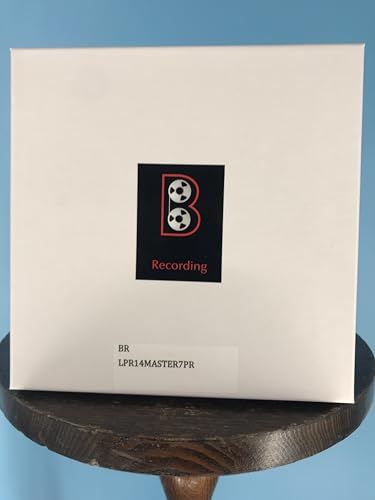
Burlington Recording’s MASTER Series listing specifies 1/4-inch tape on a 7-inch plastic reel. Its description says the series offers broad bias compatibility and high distortion tolerance. The supplied product name describes a 1,800-foot, 1-mil tape, while the feature text refers to a 1,200-foot, 1.5-mil version. Because those details conflict, verify the exact length and thickness with the seller before purchasing.
Best for: buyers comparing 1/4-inch recording stock who want to investigate Burlington’s stated bias compatibility. It is included because it is a tape product rather than an accessory reel.
Calibration limitation: The listing describes recording stock, not an alignment or calibration tape. Its conflicting length and thickness information is also a reason to confirm the exact item details before ordering.
Burlington PRO Series Tape

Burlington Recording PRO Series is listed as 1/4-inch tape, 2,500 feet long, with a 1.5-mil thickness. It is supplied on a 10.5-inch hub or pancake rather than a 7-inch reel. The product description says the series offers broad bias compatibility with standard distortion tolerance.
Best for: buyers looking for a longer length of recording stock and whose workflow accommodates the listed 10.5-inch hub or pancake format. It offers a clear format and length distinction from the 7-inch products.
Calibration limitation: The product information does not describe recorded reference tones or calibration use. Do not assume a large tape length or professional series name makes it a test tape.
Yosoo 7-Inch Empty Aluminum Reel

This Yosoo product is an empty 7-inch reel for 1/4-inch tape, not magnetic tape. The listing describes an aluminum-alloy reel with a three-hole design and says it is intended for open-reel machines that accept this reel size. It may be useful as a replacement or additional reel when the machine’s reel requirements match.
Best for: users who need an empty 7-inch reel for handling or storing compatible tape. It is included to distinguish a tape accessory from recording and calibration tape.
Calibration limitation: An empty reel has no recorded tones and cannot perform tape-head alignment or calibration. Check your machine’s reel and hub requirements before choosing a replacement.
Buying Guide: How To Choose Reel-To-Reel Calibration Tape
What makes a tape a calibration tape?
A calibration tape is a reference recording intended for checking or aligning specific tape-recorder functions. Before buying, look for a product description that explicitly identifies it as a calibration, alignment, or test tape and states what reference content it contains. A blank recording tape, even one marketed for studio use, does not become a calibration tape simply because it has consistent recording characteristics.
Confirm the technical details against your machine’s service information or the guidance of a qualified technician. Reference requirements can depend on the recorder and the adjustment being performed. Do not assume that a tape made for one machine or procedure is suitable for every reel-to-reel deck.
Which specifications should you verify?
- Recorded content: Check whether the tape contains reference tones or other test signals, and whether the listing names them.
- Intended use: Confirm that the tape is designed for the particular calibration or alignment procedure you need.
- Recorder requirements: Match the tape’s format and relevant specifications to the manufacturer’s service documentation.
- Reel format: Check reel diameter, hub or reel type, and tape width. The products listed here include 1/4-inch tape in 5-inch, 7-inch, and 10.5-inch-related formats.
- Documentation: Prefer a listing that clearly explains its reference information and intended application rather than relying on general claims about audio quality.
Is recording tape a substitute for calibration tape?
No. Recording tape is intended to capture audio; a calibration tape supplies a known reference recording for a stated test or adjustment. The RTM and Burlington products above are described as recording stock. Their listed features do not establish that they include calibration tones. Use recording stock for recording and a clearly specified reference tape for calibration.
How do the listed recording tapes compare?
RTM SM 911 is the 7-inch studio-oriented option, with the listing providing recording-time estimates at two tape speeds. RTM LPR 35 is a 5-inch long-play option. Burlington MASTER Series is listed for a 7-inch reel, but its supplied length and thickness details conflict and should be verified. Burlington PRO Series is listed as a longer 2,500-foot pancake or hub format. These distinctions help compare recording supplies, but none establishes calibration suitability.
When should you buy an empty reel?
Choose an empty reel only when you need a reel for compatible tape and have confirmed the recorder accepts its size and design. An empty reel can hold or receive tape, but it does not provide a recorded signal. The Yosoo item is therefore an accessory, not a substitute for either recording tape or calibration tape.
Frequently Asked Questions
Are any of these products reel-to-reel calibration tapes?
No. The listed products are recording tape or empty reels. Their supplied descriptions do not identify them as calibration tapes or specify recorded reference tones.
Can RTM SM 911 calibrate a tape recorder?
The product description identifies SM 911 as recording tape, not a calibration reference. Use it for recording as described, and select a dedicated test tape for alignment or calibration.
What should I search for when I need an alignment tape?
Search for a reel-to-reel calibration or alignment tape that explicitly names its recorded reference content and intended application. Match its specifications to your recorder’s service documentation.
Is an empty reel useful for calibration?
No. An empty reel holds tape but contains no recorded test signal. It cannot provide the reference content needed for calibration.
Why do reel size and tape format matter?
The recorder must accept the tape width and reel or hub format. Confirm those requirements in your machine’s documentation before choosing recording stock, an empty reel, or a reference tape.