Best Guitar Amp Speaker Cabinet Options for Players
Finding The Right Speaker Cabinet can transform tone, projection, and stage presence for guitarists. Below is a concise summary of five relevant cabinets and related solutions selected for different needs: powered FRFR, small practice cabs, empty build-ready cabs, bass-focused cabinets that translate low end, and utility accessories for positioning and isolation.
| Product | Type | Key Feature |
|---|---|---|
| Positive Grid Spark CAB | Powered FRFR Cabinet | 140W RMS, 10″ + tweeters, XLR/TRS I/O |
| Orange PPC108 1×8″ | Closed-Back 1×8″ Cabinet | Compact desktop-ready 8″ speaker for Micro Terror |
| Sound Town 1×12″ Empty Cabinet | Empty Build Cabinet | Birch plywood, Celestion/Eminence compatible |
| Seismic Audio 2×10″ Bass Cabinet | Bass/PA 2×10″ | 400W peak, robust construction for low end |
| Vondynote Adjustable Amp Stand | Accessory | Height/width adjustable tilt stand for amps/cabs |
Positive Grid Spark CAB Powered Guitar Amp Speaker Cabinet

Type: FRFR Powered Cabinet. The Spark CAB Is Designed To Work Seamlessly With Spark Series Amps And Other Modelers. It Delivers 140 Watts RMS (400W Peak) Through A 10-Inch Woofer And Two High-Frequency Dome Tweeters For Clear, Accurate Sound Reproduction. Inputs Include A Dedicated 3.5mm Stereo Input, Stereo Combo XLR/TRS Inputs, And A Balanced XLR Output For Integration With Recording Or Live Rigs. This Unit Suits Players Using Amp Modelers Who Need Flat-Response Monitoring For Live Or Studio Use.
Orange PPC108 1×8″ Closed Back Speaker Cabinet

Type: Closed-Back 1×8 Cabinet. Built Specifically For Use With Orange Micro Terror Or Micro Dark Heads, This Compact Cabinet Is Small Enough For Desktop Use While Delivering A 20W Output Via The 8″ “Voice Of The World” Speaker. Its Size And Voicing Make It Suitable For Bedroom Practice, Small Rehearsals, Or As A Portable Half-Stack Option When Space Is Limited.
Sound Town 1 x 12″ Empty Guitar Speaker Cabinet

Type: Empty 1×12 Cabinet. This Guitar Cabinet Comes Empty (Speaker Not Included), Constructed From Birch Plywood With Black Tolex And A Wheat Cloth Grill. It Is Compatible With Popular Celestion And Eminence Speakers, Allowing Customization Of Speaker Choice To Match Desired Tone. This Option Appeals To Builders, Techs, And Players Who Prefer Swapping Drivers Or Building A Tailored Cabinet For Specific amp-speak interaction.
Seismic Audio 2×10″ Bass Guitar Speaker Cabinet PA DJ 400W

Type: 2×10 Bass/PA Cabinet. Wired At 8 Ohms, This Cabinet Features Two 10″ Woofers Each With Large Magnets And A 2″ Kapton Voice Coil. Rated For 200W RMS (400W Peak), It Offers Extended Low-Frequency Response (Quoted 40Hz–5kHz) And A High Sensitivity Around 97dB. The Rugged Build Includes A Full Metal Grill And Porting, Making It Suitable For Bassists Or Players Seeking A Robust Low-End-Focused Cabinet That Can Also Work In PA Or DJ Contexts.
Vondynote Adjustable Mobile Guitar Amplifier Stand

Type: Adjustable Tilt Stand For Amp Cabinets And Combo Amps. This Stand Lifts And Tilts Amplifiers To Improve Monitoring And Projection. Width Adjusts From 10 To 14 Inches; Height From 21 To 32 Inches With A Safety Pin Locking Device. The Stand Helps Aim Cabinets As Wedge Monitors, Improve Stage Dispersion, And Reduce Floor-Coupled Resonance When Combined With Isolation Pads.
Other Relevant Products (Not Full Reviews)
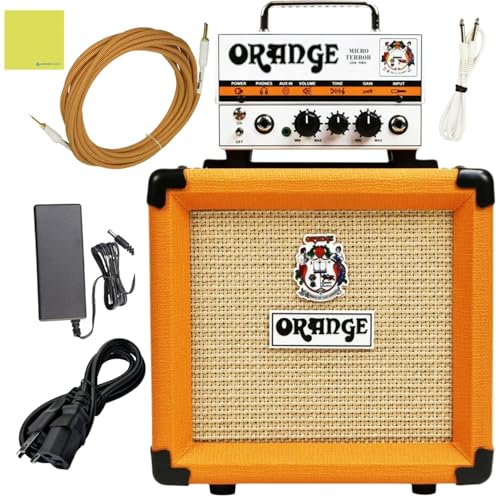
The Orange PPC108 Bundle Variant Includes The PPC108 Cabinet Paired With The MT20 Micro Terror Head And Accessories, Offering A Ready-To-Play Mini Half-Stack For Portable Applications.

Isolation Accessories Such As Rubber Feet Or Speaker Isolation Pads Can Reduce Cabinet Resonance And Improve Clarity For Home Or Studio Use.
Buying Guide: How To Choose The Best Guitar Amp Speaker Cabinet
This buying guide covers key considerations to match cabinets to your playing situation, tone goals, and gear.
Cabinet Type And Intended Use
- Powered FRFR Cabinets: Ideal For modelers and profile amp users. Look For Flat Response, Balanced HF/LF, And I/O Options (XLR/TRS) For DI/FOH Integration.
- Closed-Back Vs Open-Back: Closed-back cabinets Emphasize Tight Low End And Projection; open-back cabs Provide A More Ambient, Room-Filling Sound For Clean And Vintage Tones.
- Empty Cabinets: Best If You Want To Choose Speakers (Celestion, Eminence) Or Build Custom Voicing.
Speaker Size And Driver Configuration
- 8″ Speakers: Tight, focused midrange suitable for bedroom practice or compact rigs.
- 10″ Speakers: Balanced punch and clarity; common in combo amps and small cabinets.
- 12″ Speakers: Standard for full guitar tone, delivering midrange presence and low-frequency weight.
- Multiple Drivers (2×10, 2×12): Increase projection and stage volume; wiring and impedance matter for your head.
Power Rating And Sensitivity
- RMS Vs Peak: RMS Provides A Practical Continuous Power Rating; Peak Is Brief Maximum Output. Match Cabinet Power Handling To Your Amp’s Output.
- Sensitivity: Higher sensitivity (dB) yields more volume from the same power. Consider When You Need Stage Volume Without Excessive Power.
Impedance And Wiring
- Check Ohm Rating: Most cabinets are 4Ω or 8Ω. Ensure Compatibility With Your Head Or Amp Output.
- Daisy-Chaining: If Using Multiple Cabinets, Confirm Wiring Options And Net Impedance To Avoid Overload.
Construction And Portability
- Materials: Birch Or Baltic Birch Plywood Provides Durable, Resonant Cabinets Versus MDF Which Is Less Durable Over Time.
- Weight And Form Factor: Consider Tourability, Desktop Use, Or Room Placement. Smaller 1×8/1×10 Cabs Are Easier To Move; 2×12/4×12 Are Heavier But Louder.
Connectivity And Integration
- FRFR/Powered Cabs: Look For Balanced Outputs (XLR) For DI To FOH Or Interface, Plus Instrument Inputs And Tone Controls When Using Modelers.
- Passive Cabs: Ensure Correct Speaker Cables And Secure Connections; Use Properly Rated Speaker Cable (Not Instrument Cables) For Safe Operation.
Accessories And Positioning
- Stands And Tilt Mounts: Tilting A Cabinet Toward The Player Improves Monitoring And Projection.
- Isolation Feet/Pads: Reduce Floor-Borne Resonance, Improve Low-End Clarity, And Prevent Cabinet Rattle In Studios Or Apartments.
Comparison Perspectives
- Practice Vs Gigging: Small 1×8 Or Powered FRFR Cabinets Work For Home And Small Gigs; Larger 2×10/2×12 Or Multiple Cabinets Are Better For Larger Venues.
- Tonal Flexibility: Empty Cabs Provide Speaker Choice Flexibility; Powered FRFR Units Offer Neutral Reference For Profiles And Modelers.
- Budget And Upgrade Path: Consider Buying An Empty Cabinet Plus A High-Quality Speaker Later, Or Start With A Compact Bundle If Immediate Playability Is The Goal.