
A 13-note C-to-C pitch pipe is a practical choice for singers who want a portable reference note before rehearsing or performing. The Master “That’s My Tune” is best for shoppers seeking a chrome-plated pipe with a sliding note selector; the 13-tone model with a storage case is best for buyers who value included storage; and the Tombo P-13E is a different option for those looking for an E-scale pitch pipe. Compare the scale, selector, and included accessories before choosing.
| Product | Best suited for | Distinguishing listed detail |
|---|---|---|
| The Master “That’s My Tune” 13-Note Pitch Pipe | Singers who want a sliding selector | Chrome-plated pipes; C-C chromatic scale |
| 13-Tone Pitch Pipe With Storage Case | Buyers who want an included case | 13 tones; storage case |
| Tombo P-13E Chromatic Tuning Whistle | Buyers specifically seeking an E-scale model | E scale |
| FDXGYH 13-Tone Pitch Pipe | Singers seeking a C-C model | 13 tones; C-C scale |
| Bonsicoky C-C Pitch Pipe | Players who want a C-C model for voice or instruments | 13 tones; C-C note selector |
The Master “That’s My Tune” 13-Note Pitch Pipe

This pitch pipe is best for singers who want a chromatic C-to-C reference and a sliding note selector. Its product listing describes 13 notes, chrome-plated pipes, and a selector intended to let the user choose a note. Those details make it a relevant option for vocal warmups, rehearsals, and situations where a singer wants to hear a starting pitch before singing.
Why it was selected: The listed chromatic C-C scale covers the full span stated in the product name, while the sliding selector is a specific feature that distinguishes it from the other listed models. Choose this option if you want a selector and a chrome-plated design called out in the listing.
Limitation: The product details provided do not specify whether a storage case is included. If keeping the pipe protected between uses matters, confirm the package contents before buying.
13-Tone Pitch Pipe With Storage Case

This 13-tone pitch pipe is best for singers who want an explicitly listed storage case. The product name identifies it as a pitch pipe tuner for singers and also names guitar, bass, violin, and ukulele. That broader instrument wording may interest musicians who need a reference pipe for more than vocal practice, although the listing information supplied does not describe instrument-specific tuning instructions.
Why it was selected: It combines a 13-tone format with a storage case, a useful distinction for buyers comparing basic pitch pipes. Choose this model if the included case is a priority and you want a product described for singers as well as several instruments.
Limitation: The product name does not state a C-C scale or describe a note selector. Confirm the note range and how the tones are identified if those details are important to your routine.
Tombo P-13E Chromatic Tuning Whistle

The Tombo P-13E is best for a buyer who specifically wants the E-scale version named in the product listing. It is identified as a chromatic tuning whistle and pitch pipe. For vocal use, a pitch pipe can provide a starting reference, but the scale designation matters: this product is listed as an E-scale model rather than a C-C model.
Why it was selected: It offers a clear alternative to the four products identified as C-C or C-to-C models. Choose it if the E-scale designation matches the notes or musical use you need, rather than assuming it has the same range as a C-C pipe.
Limitation: The listing information provided does not describe a note selector, storage case, or detailed note range. Avoid choosing it solely because you need a C-C pitch pipe; verify the scale before ordering.
FDXGYH 13-Tone C-C Pitch Pipe

This FDXGYH model is best for singers looking for a pitch pipe explicitly described as a 13-tone C-C scale. Its product name identifies it as a vocal pitch pipe tuner and says it is for singers. Those details make the intended use easy to identify when comparing it with an E-scale product or a model whose scale is not stated in the supplied name.
Why it was selected: The stated C-C scale and 13-tone format align with a common buyer search for a chromatic reference pipe for voice. Choose this model if matching those specifications is more important than having a listed storage case or chrome-plated construction.
Limitation: The product information provided does not mention an included case or a particular selector design. Check the listing details if either feature is necessary for how you plan to carry or use the pipe.
Bonsicoky C-C Pitch Pipe
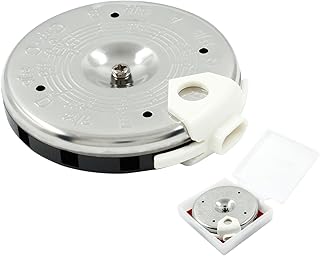
The Bonsicoky pitch pipe is best for buyers who want a silver-colored C-C model that is also described for instrument use. Its name lists 13 tones and a C-C note selector, and it mentions guitar, pipa, violin, and ukulele. Singers comparing options can focus on the stated scale and selector, while multi-instrument musicians may appreciate that the product name lists additional intended uses.
Why it was selected: The C-C scale, 13-tone format, and note selector are explicit in the product name. Choose this if you want those features and prefer a model whose listing names both voice-relevant pitch selection and several instruments.
Limitation: The supplied product information does not state whether a case is included or specify the material beyond the silver description. Confirm those details if protection or construction is a deciding factor.
Buying Guide: How To Choose A Pitch Pipe For Voice
Which scale should a singer choose?
Start by checking the scale stated in the product listing. Four of the products here are described with a C-C or C-to-C designation, while the Tombo P-13E is identified as an E-scale model. These descriptions should not be treated as interchangeable. If your music or established practice calls for a particular starting note or range, verify that the pitch pipe covers it before buying.
A pitch pipe provides a sounded reference pitch; it does not determine which key is right for a song. The singer still needs to select a starting note that suits the music and vocal arrangement. When the range is not clearly stated, look for additional manufacturer details rather than inferring the notes from a product photo or a general “chromatic” label.
Does a 13-tone model suit vocal practice?
The 13-tone products in this list are described as covering a C-C scale or as having 13 tones. That format can be a useful fit for singers who want multiple note choices rather than a single pitch. However, product names alone may not explain the exact note sequence or how each note is selected. Check the listing for a diagram, scale description, or instructions if you need to match a particular note reliably.
Is a note selector important?
A selector can make it clearer which pitch you are choosing. The Master model is described as having a sliding note selector, and the Bonsicoky product name specifies a C-C note selector. The other supplied product names do not provide the same selector detail. If you prefer a visible way to choose notes, prioritize a listing that explicitly describes the mechanism and shows how the notes are labeled.
Should you choose a pitch pipe with a case?
A case may be useful if you carry a pitch pipe in a music bag or want an accessory included with the product. Only the 13-tone model with storage case explicitly lists one in its name. The other supplied product details do not confirm a case, so do not assume one is included. Check package contents before purchase if storage is a requirement.
Can one pitch pipe work for singing and instruments?
Some product names list both vocal and instrument uses. The 13-tone pitch pipe with a storage case names guitar, bass, violin, and ukulele; the Bonsicoky model names guitar, pipa, violin, and ukulele. This wording indicates that the products are presented for those uses, but it does not provide instrument-specific instructions. For ensemble work, confirm that the available notes match the tuning or reference pitches you need.
What should buyers compare before ordering?
- Scale: Compare C-C or C-to-C descriptions with the E-scale designation, and verify the actual range in the listing.
- Note selection: Look for a clearly described selector if choosing pitches quickly is important.
- Accessories: Confirm whether a storage case is included rather than assuming it comes with the pipe.
- Intended use: Check whether the product is described for singers, instruments, or both.
- Product details: Read the listing for note labels and use instructions, especially when the name does not state the scale clearly.
Frequently Asked Questions
What is a pitch pipe used for in singing?
A pitch pipe produces a reference pitch that a singer can listen to before beginning a song, warmup, or rehearsal. It helps establish a starting note; it does not replace the need to know the song’s intended key.
Is a C-C pitch pipe the same as an E-scale pitch pipe?
No. The product names identify different scale designations. Check the stated note range and choose the one that matches your musical requirement rather than assuming the models cover the same pitches.
What does “13-tone” mean in a pitch pipe listing?
It indicates that the product is presented as offering 13 tones. The exact note sequence and selection method should be confirmed in the listing, particularly if you need a specific starting pitch.
Which option lists a storage case?
The 13-Tone Pitch Pipe With Storage Case explicitly names a storage case. The supplied information for the other products does not confirm that a case is included.
Can singers use a pitch pipe listed for instruments?
Check whether the product is also described for singers. Several models in this comparison name vocal use, while some also list instruments. Verify the scale and available notes for your intended use.