
For bands, “stage box” can mean an audio connection box for routing microphones and outputs, while a portable stage platform creates a raised performance area. The Allen & Heath AB168 is best for compatible GLD and Qu mixers that need more connections; the Harmony Audio snake is better for analog XLR runs. For a physical stage, Redriver’s two-, four-, and six-platform sets suit progressively larger layouts. Check the product type and your setup before choosing.
| Product | Best suited for | What it provides |
|---|---|---|
| Allen & Heath AB168 | GLD or Qu mixer users | 16 XLR mic preamps and 8 XLR line outputs |
| Harmony Audio 24-Channel Snake | Bands needing an analog XLR run | 24 channels over a 50-foot cable |
| Redriver 2-Set Platform | Compact raised stage layouts | Two 4-by-4-foot platforms |
| Redriver 4-Set Platform | Medium-size modular stage layouts | Four 4-by-4-foot platforms |
| Redriver 6-Set Platform | Larger modular stage layouts | Six 4-by-4-foot platforms |
Allen & Heath AB168 Stage Box
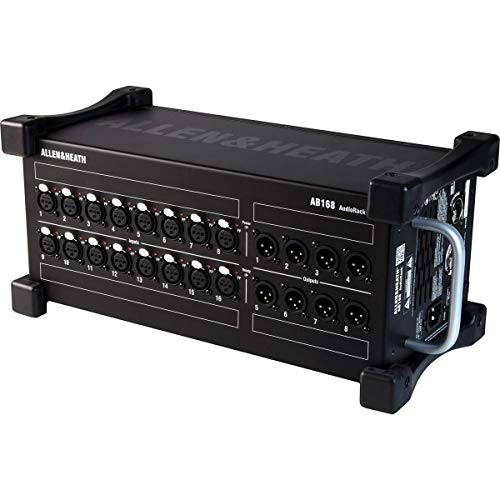
The AB168 is an audio stage box expander, not a platform. It provides 16 XLR mic preamps and eight XLR line outputs, with a phantom-power LED for each input. The listed compatibility is with Allen & Heath GLD and Qu mixers.
Best for: Bands using a GLD or Qu mixer that need additional stage-side inputs and outputs. Its input and output counts make it a practical option when a mixer needs to connect multiple microphones and send audio back out through XLR connections.
Why it was selected: It is the clearest dedicated electronic stage box in the product list and gives a band specific connection capacity to compare against its input list.
Check before buying: The product information only lists GLD and Qu compatibility. Confirm that your mixer is one of those models before choosing this expander.
Harmony Audio 24-Channel XLR Snake

This Harmony Audio product is a 50-foot, 24-channel XLR snake box with 20 sends and four returns. Its listed construction includes a three-channel, 100% shielded XLR cable. The connectors are labeled with letters A through D for returns and numbers for inputs.
Best for: Bands that need to route multiple analog XLR connections across a stage or between performance and audio positions. The 20-send and four-return layout is useful to compare with the band’s planned input and return needs.
Why it was selected: It is a direct-wired stage connection option, unlike the AB168, which is an expander with specified mixer compatibility. The 50-foot length and labeled channels are clear selection criteria.
Check before buying: This is a 24-channel cable snake, not a digital stage-box expander. Confirm that 50 feet and the 20-send/four-return configuration fit the venue and equipment plan.
Redriver Two-Platform Stage Set

This two-set option is a physical stage platform package rather than an audio stage box. Each listed platform measures 48 by 48 inches when extended and is approximately 16.5 inches high. The product information describes a 1,540-pound capacity, 16 aluminum-alloy frame legs at the base, tool-free connection, and foldable storage.
Best for: Bands that want a small raised performance area or a modular starting point. Two square platforms can create a compact footprint, while the ability to connect platforms without tools may simplify setup.
Why it was selected: It is the smallest platform set among the listed Redriver options, making it the most relevant choice for a band with limited stage space or a modest platform requirement.
Check before buying: The supplied specifications describe the platform’s dimensions and capacity but do not establish a complete stage plan for every venue. Confirm the intended layout and safe loading with the seller’s current product information.
Redriver Four-Platform Stage Set

The four-set package uses 4-by-4-foot platforms listed at approximately 16.5 inches high when extended. Redriver describes each platform as supporting up to 1,540 pounds, with 16 aluminum-alloy frame legs at the base. The sections connect without tools and fold for storage and transport.
Best for: Bands that need more raised floor area than a two-platform configuration provides and want a modular platform set. Four square sections offer more layout options than one or two sections, subject to the available venue space.
Why it was selected: It is the middle-size package in the supplied platform range. Buyers can compare its quantity with the two-set and six-set options without assuming that all bands need the largest footprint.
Check before buying: Platform capacity is stated in the supplied product features, but the listing does not provide a detailed loading plan for a particular band, instrument arrangement, or venue. Verify the setup requirements before use.
Redriver Six-Platform Stage Set
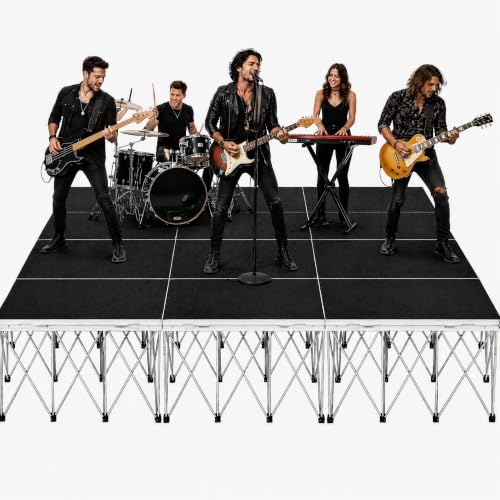
This six-set package is the largest Redriver platform quantity in the supplied options. The listed modules measure 48 by 48 inches and approximately 16.5 inches high when extended. The product information also lists a 1,540-pound capacity per described platform, aluminum-alloy support legs, tool-free connections, and foldable storage.
Best for: Bands that need a larger modular raised area and have enough room to transport and arrange six sections. It is better suited to a broader footprint than the two-set option, while retaining the same stated platform dimensions.
Why it was selected: It gives buyers a higher-quantity option for comparing the amount of platform equipment needed for a larger performance layout.
Check before buying: A larger set takes more planning for storage, transport, and arrangement. Confirm the exact package contents and venue footprint before ordering; the listed platform capacity should not be treated as a complete event load assessment.
Buying Guide: How Should Bands Choose a Stage Box?
Do you mean an audio stage box or a raised platform?
Start by identifying the job. An audio stage box or snake routes sound connections between stage equipment and a mixer. A stage platform creates a raised surface for performers. These are different product categories, even though both may be described with “stage” terminology. The AB168 and Harmony snake are audio products; the Redriver sets are physical platforms.
How many audio connections do you need?
Count the microphones and other XLR connections you need to route, then compare that requirement with the product’s stated inputs, outputs, sends, and returns. The AB168 lists 16 mic preamps and eight line outputs. The Harmony snake lists 20 sends and four returns. These specifications describe different equipment, so compare them against your signal-routing plan rather than treating the products as interchangeable.
Does the audio box work with your mixer?
Compatibility is a key purchasing check for an expander. The AB168 product information names Allen & Heath GLD and Qu mixers. Do not assume compatibility with another mixer based only on matching connector types. Verify the exact mixer model and system requirements before purchasing.
How much platform area does the band need?
Measure the available venue space and sketch the intended performer and equipment layout before choosing a set. The Redriver products use 4-by-4-foot modules, with the supplied options ranging from two to six platforms. More modules provide more platform sections, but also require more storage and transport planning.
What should you check about platform capacity and setup?
The Redriver features state a 1,540-pound capacity and describe 16 aluminum-alloy legs at the base. Treat those as product specifications, not as a substitute for planning a safe stage arrangement. Check the current product instructions, the configuration being used, and the venue’s requirements. Also confirm whether the package quantity matches your needs.
Is a cable snake or expander the better choice?
Choose a cable snake when the setup calls for a wired XLR run and its channel count and length fit the application. Choose an expander only when it is compatible with the mixer system and its added inputs and outputs match the requirements. The Harmony product lists a 50-foot cable; the AB168 lists mixer compatibility and connection counts. Their roles differ.
Frequently Asked Questions
What is a stage box for a band?
An audio stage box connects instruments, microphones, or other audio lines onstage to a sound system. The term can also be confused with a stage platform, which is a raised surface rather than an audio-routing device.
Can the Allen & Heath AB168 connect to any mixer?
The supplied product information lists compatibility with Allen & Heath GLD and Qu mixers. Check the exact mixer model before buying; compatibility with other systems is not established by the listed features.
What is the difference between the Harmony snake and the AB168?
The Harmony product is a 24-channel, 50-foot XLR snake with 20 sends and four returns. The AB168 is an audio expander with 16 XLR mic preamps and eight XLR line outputs, and its listed compatibility is with GLD and Qu mixers.
Which Redriver platform set is best for a small band?
The two-platform set is the smallest listed package and may suit a compact raised layout. Choose based on the actual footprint and equipment plan, rather than band size alone.
Are the Redriver platforms audio stage boxes?
No. They are portable stage platforms. They provide a raised performance surface and do not perform the audio-routing functions of an XLR snake or mixer expander.