
The best large diaphragm cardioid microphone depends on whether you prioritize a complete vocal setup, a neutral sound, or a versatile home-studio option. The RØDE NT1 Signature Series is best for buyers who want a shock mount, pop filter, and XLR cable included. The TZ Stellar X2 is a strong fit for those seeking a balanced response, while the Audio-Technica AT2035 emphasizes side-and-rear sound rejection. The AT2020 and PreSonus PX-1 are straightforward options for general recording. Compare the listed features below before choosing.
| Microphone | Best suited for | Standout listed feature |
|---|---|---|
| RØDE NT1 Signature Series | Vocalists who want included setup accessories | Shock mount, pop filter, and XLR cable |
| TZ Stellar X2 | Buyers seeking a balanced, neutral response | Low-noise transformerless circuit |
| Audio-Technica AT2035 | Studio and live-performance recording | Cardioid pickup pattern for improved isolation |
| Audio-Technica AT2020 | Project and home studios | High SPL handling and wide dynamic range |
| PreSonus PX-1 | Multiple everyday recording uses | Listed for vocals, guitar, and podcasts |
RØDE NT1 Signature Series
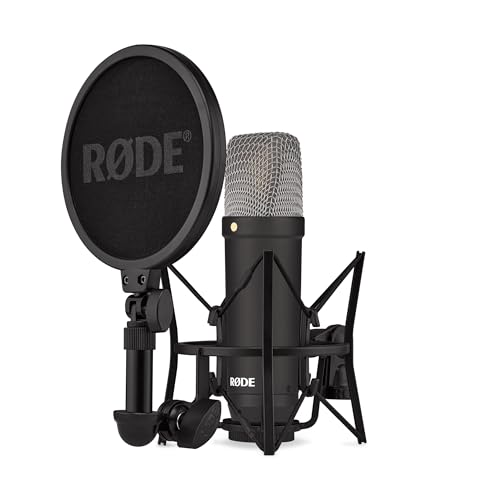
The RØDE NT1 Signature Series is best for vocalists and home-studio users who want several key recording accessories in one package. Its listed setup includes a shock mount, pop filter, and XLR cable. Buyers still need to add an audio interface, according to the product description.
RØDE describes this model as having the large-diaphragm NT1 voicing used in studios for two decades. The product information also highlights very low self-noise, which may be useful when recording quieter vocal passages or sources where microphone noise is a concern. These are manufacturer-provided feature descriptions, not a guarantee of a particular recording result.
- Best for: Buyers who want an XLR vocal setup with several accessories included.
- Why it stands out: The listed package includes a shock mount, pop filter, and cable, and the microphone is described as whisper-quiet.
- Consider: An audio interface is not included in the described setup and must be added separately.
Choose this if reducing the number of separate accessories to buy is important. It is less suitable for someone who already owns a preferred shock mount or pop filter and wants to select every component individually.
TZ Stellar X2 Cardioid Condenser
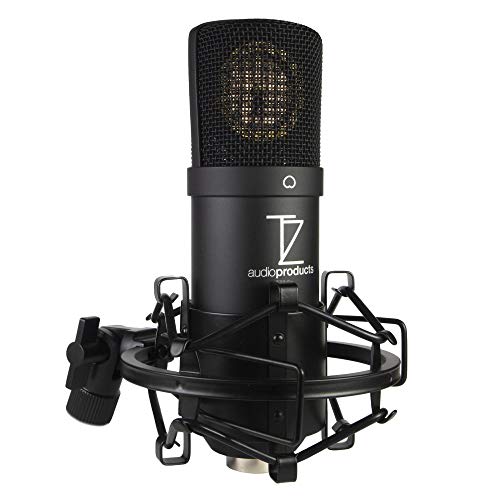
The TZ Stellar X2 is best for buyers who want a microphone described as balanced and neutral rather than deliberately prominent or harsh. Its product information says the frequency response is carefully tuned to avoid sounding fatiguing over time or standing out in a mix. That description may appeal to people recording sources that need to sit alongside other instruments or voices.
The manufacturer lists a capsule made with a brass body and Japanese-imported Mylar, along with a transformerless JFET circuit and German capacitors. The stated noise floor is less than 13 dBA. The description also says the capsule is designed for sensitivity to subtle sounds and use with a variety of sources.
- Best for: Recording users looking for a neutral character and a low-noise design.
- Why it stands out: Its listed details include a carefully tuned response, a transformerless circuit, and a specified noise-floor figure.
- Consider: The provided product details do not list included accessories, so check the package contents if you need a mount, cable, or pop filter.
Choose the Stellar X2 if the stated neutral voicing is a priority. Buyers who want a clearly specified accessory bundle may prefer the NT1 Signature Series, whose product details name several included items.
Audio-Technica AT2035 Cardioid Microphone

The Audio-Technica AT2035 is best for home, project, and professional studio users who want cardioid pickup and a listed custom shock mount. The manufacturer describes it as suitable for studio applications and live performance, making it a candidate for buyers recording in more than one setting.
Its cardioid pattern is intended to reduce pickup from the sides and rear, helping isolate the desired source. The product description also identifies a large diaphragm designed for smooth, natural sound and low noise. Those attributes may be relevant for voice, podcast, streaming, or music sessions where room sound needs consideration.
- Best for: Recording in a home or project studio, or for buyers who value the stated directional pickup.
- Why it stands out: The product details specifically mention side-and-rear rejection and include a custom shock mount.
- Consider: Cardioid pickup can reduce some off-axis sound, but it does not remove room noise or replace acoustic treatment.
Choose this model if isolation and the included shock mount matter more than having a cable and pop filter listed as part of the package. If you need an all-in-one accessory bundle, compare its listed contents with the RØDE NT1.
Audio-Technica AT2020 Studio Microphone
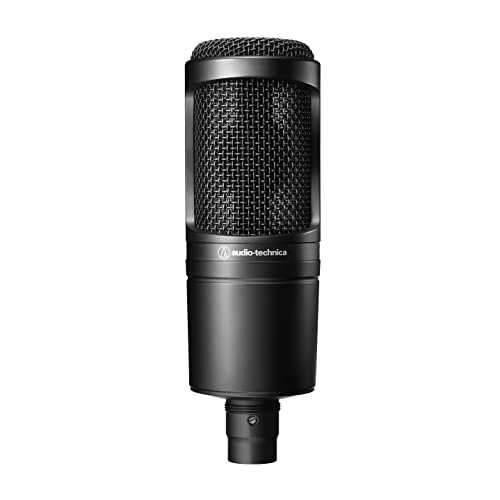
The Audio-Technica AT2020 is best for project and home studios seeking a side-address condenser microphone with broad recording versatility. Audio-Technica describes it as a price-performance standard in side-address studio condenser technology and identifies home and project studios as suitable settings.
Two stated strengths are high sound-pressure-level handling and a wide dynamic range. Those features make the microphone worth considering for buyers who want flexibility across different recording levels. The supplied product description does not identify particular included accessories, so buyers should confirm package contents if they require a shock mount, cable, or pop filter.
- Best for: Home and project-studio users looking for a general-purpose condenser microphone.
- Why it stands out: The listed features emphasize high SPL handling and a wide dynamic range.
- Consider: The provided details do not describe an accessory bundle; verify what is included before ordering.
Choose the AT2020 if a broadly versatile studio option fits your needs. For a buyer who specifically wants a listed shock mount, the AT2035 may be a better match; for a buyer prioritizing included vocal accessories, compare the NT1.
PreSonus PX-1 Large Diaphragm Condenser

The PreSonus PX-1 is best for buyers looking for a clearly described microphone for several common recording tasks. Its product information identifies vocals, guitar, podcasts, and other uses, and specifies a large-diaphragm condenser design with a cardioid polar pattern.
This simple feature set makes it useful to compare against models whose descriptions provide more detailed specifications. The PX-1 listing establishes its broad intended uses and pickup pattern, but the supplied details do not specify its noise floor, included accessories, or other performance measurements. Buyers who need those details should check the complete listing before choosing.
- Best for: Buyers recording vocals, guitar, podcasts, or a mix of general sources.
- Why it stands out: The described uses cover several common studio and content-creation needs.
- Consider: The supplied feature list is brief, so it offers fewer stated technical details for direct specification comparisons.
Choose the PX-1 if its stated cardioid pattern and broad recording applications match your plans. If noise performance or a specific included accessory is essential, compare the full product details with the other options before purchasing.
Buying Guide: How To Choose A Large Diaphragm Cardioid Microphone
What does a cardioid pattern mean for recording?
A cardioid microphone is designed to pick up sound most strongly from the front while reducing sensitivity to sounds from the sides and rear. This can help focus a recording on a vocalist or instrument, particularly when other sound sources are nearby. The AT2035 listing specifically calls out reduced side and rear pickup as a way to improve isolation.
Cardioid directionality is not the same as soundproofing. A microphone can still capture reflections, background noise, and other sounds in the room. Placement, distance from the source, room conditions, and recording level all affect the result. Do not assume a cardioid pattern will eliminate unwanted sound.
Which microphone is better for vocals?
For a vocal setup with named accessories, compare the RØDE NT1 Signature Series first: its description includes a shock mount, pop filter, and XLR cable. The TZ Stellar X2 may suit a buyer who prioritizes the stated neutral frequency response and low-noise circuit. The AT2035 is another option when its directional pickup description and included custom shock mount are useful.
Vocal sound is affected by the speaker, microphone position, room, and recording chain, not just the microphone. If possible, base a decision on the features you need and the complete package contents, rather than assuming one model will suit every voice.
What should I know about XLR setup and accessories?
The NT1 description says to add an interface before recording. When comparing XLR microphones, check the full product listing and your existing equipment to confirm what is needed for your setup. The supplied details do not specify the complete accessory contents for every model in this guide.
A pop filter can help manage plosive bursts from speech, while a shock mount can reduce some vibration transferred through a stand. These are separate considerations from the microphone’s polar pattern and sound characteristics. Avoid paying for duplicate accessories if you already own suitable equipment.
How important are noise and sensitivity details?
Noise specifications matter most when the recording includes quiet passages, soft sources, or substantial amplification. The Stellar X2 description states a noise floor below 13 dBA, and the NT1 description emphasizes very low self-noise without providing a figure in the supplied details. These claims can help frame a comparison, but they are not identical measurements unless the specifications are presented on a comparable basis.
The AT2020 description instead highlights high SPL handling and wide dynamic range. Those are different selection points from low self-noise. Match the feature to the recording challenge you actually face rather than treating every microphone specification as interchangeable.
How should I compare package contents and intended use?
Start with your main recording task: spoken voice, singing, guitar, or a combination. The PX-1 is explicitly described for vocals, guitar, and podcasts. The AT2020 is positioned for project and home studios, while the AT2035 is described for studio applications and live performance. These descriptions help narrow the field, but they do not establish that a microphone is exclusive to those uses.
Next, list the accessories you already have. The NT1 package description names a shock mount, pop filter, and cable; the AT2035 description names a custom shock mount. For products whose supplied details do not list accessories, verify the current package contents before ordering.
Frequently Asked Questions
What is a large diaphragm microphone used for?
A large-diaphragm condenser microphone is commonly considered for recording vocals and other studio sources. In this group, product descriptions also identify uses such as guitar, podcasts, streaming, and live performance. The best choice depends on the source, room, setup, and features required.
Which option includes a pop filter and XLR cable?
The RØDE NT1 Signature Series description lists a shock mount, pop filter, and XLR cable. It also says to add an interface to complete the recording setup.
Which microphone has a stated noise-floor figure?
The TZ Stellar X2 product details state a noise floor of less than 13 dBA. The other supplied product descriptions do not provide a comparable numerical noise-floor specification.
Does cardioid pickup eliminate background noise?
No. Cardioid pickup is designed to reduce sensitivity to sound from the sides and rear, but it does not eliminate room reflections or background noise. Room conditions and microphone placement remain important.
Which microphone is listed for guitar and podcasts?
The PreSonus PX-1 is described as suitable for vocals, guitar, podcasts, and more. The AT2035 is also described for studio and live-performance applications, but its supplied details do not specifically name guitar or podcasts.