
The best power amplifier for a PA system depends on whether you need a standalone amp for passive speakers or an all-in-one mixer and amplifier. The Rockville RPM80BT is best for buyers who want an integrated eight-channel mixer, while the Crown XLi800 suits a simpler two-channel setup. The Rockville RPA5, Gemini XGA-3000, and Pyle PTA1000BT offer additional rack-mount and connection options for different system needs.
| Product | Best For | Notable Listed Features |
|---|---|---|
| Rockville RPM80BT | Integrated mixer and amp | Eight inputs, Bluetooth, USB, EQ, effects |
| Crown XLi800 | Two-channel PA amplification | Two channels; 600-watt bridged 8-ohm rating in name |
| Rockville RPA5 | Compact rack-mounted setups | Crossover, stereo and bridged modes, multiple inputs |
| Gemini XGA-3000 | Bridgeable two-channel systems | 4/8-ohm specification, protection circuits, multiple inputs |
| Pyle PTA1000BT | Bluetooth and USB playback setups | Bridge mode, USB MP3 player, level meters |
Rockville RPM80BT Powered Mixer Amplifier

Best for: Small venues, presentations, and event setups that need mixing and amplification in one unit. The RPM80BT combines a powered mixer with an eight-channel layout, so it may suit buyers who want to connect several microphones or instruments without adding a separate mixer.
Listed features include eight microphone and 1/4-inch TRS inputs, Bluetooth, USB, RCA auxiliary input, a five-band EQ, reverb, delay, and 48V phantom power. The product name lists 600W RMS and 2400W peak, giving buyers two stated power figures to compare with their speaker requirements. Its controls and input variety are relevant when multiple sources need to be managed from the same device.
Why it was selected: It is the clearest all-in-one option in this group for users who need both channel inputs and built-in amplification. Bluetooth and USB also provide playback options without relying solely on wired sources.
Consider: This is a mixer-amplifier rather than a basic standalone power amp. Buyers who already have a mixer and want only speaker amplification may prefer one of the two-channel models.
Crown XLi800 Two-Channel Amplifier

Best for: Buyers seeking a straightforward two-channel amplifier for a PA, DJ, or stage setup. The product name identifies it as a two-channel unit and lists 600 watts bridged at 8 ohms, making that figure a useful starting point when comparing the amplifier with the intended speaker load.
A two-channel design is a practical fit when a system needs separate left and right amplification. The XLi800’s listed use cases include professional DJ, PA, and stage applications. Its simpler description, compared with the powered mixer options in this roundup, may appeal to people who already have a mixer or other source equipment and need a dedicated amplifier.
Why it was selected: It gives buyers a focused two-channel alternative without relying on a built-in mixer, Bluetooth, or playback features. Choose it if your priority is a dedicated amplifier and the listed bridged rating matches your system-planning needs.
Consider: The provided product information does not list input or output connector types, stereo power ratings, or additional processing features. Confirm those details against your setup before choosing it.
Rockville RPA5 Rack-Mount Power Amplifier

Best for: Buyers building a rack-mounted PA or DJ system who want several types of input and output connections. The RPA5 is a two-channel professional amplifier with 2U rack-mount sizing, stereo and bridged modes, and a built-in crossover.
Listed connections include XLR, 1/4-inch, and RCA inputs, plus Speakon and banana outputs. That range can help when a system includes source equipment or speaker cables with different connector formats, though buyers should verify each connection against their own components. The product name gives a rating of 400W RMS and 1000W peak.
Why it was selected: It combines rack-mount format, multiple input choices, speaker-output options, and selectable operating modes. It is better suited to someone comparing configuration flexibility than to a buyer who needs a mixer built into the amplifier.
Consider: The peak and RMS figures describe different ratings and should not be treated as interchangeable. Check the speaker’s requirements and the amplifier’s mode-specific specifications before matching equipment.
Gemini XGA-3000 Bridgeable Power Amplifier

Best for: Buyers who want a two-channel amplifier with a bridgeable mode and a stated 4/8-ohm specification. The Gemini XGA-3000 lists XLR, 1/4-inch, and RCA inputs, giving it multiple ways to connect source equipment.
The product name also lists protection circuits, a 2U rack-mount format, and a weight of 17.6 pounds. These details may matter to buyers planning rack space, transport, or an installation where protective circuitry is a desired feature. Its 3000-watt figure appears in the product name, but the provided information does not specify the conditions or mode for that figure.
Why it was selected: It is a relevant option for users comparing bridgeable rack amplifiers and multiple input formats. The stated impedance options make it important to check the speaker load and operating configuration before purchase.
Consider: Do not assume the 3000-watt figure applies to every channel, impedance, or mode. Review the full specifications to identify the applicable output ratings for your planned setup.
Pyle PTA1000BT Rack-Mount Amplifier
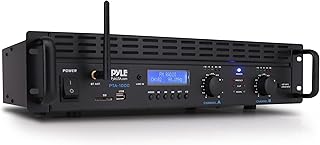
Best for: Buyers who want a rack-mount amplifier with Bluetooth and USB playback features. The PTA1000BT is listed as bridgeable and includes a USB-A input with an MP3 player, plus TRS and XLR inputs and Speakon outputs.
Other listed features include a cooling fan and LED level meters. These details can help buyers compare its monitoring and playback options with more basic amplifiers. The product name calls it a 2000W model, but the supplied information does not clarify whether that figure is peak, RMS, bridged, or channel-specific.
Why it was selected: It offers a combination of conventional audio connections and built-in playback features. Choose it if you want a rack-style amp that can accept wired inputs while also providing Bluetooth or USB playback.
Consider: Confirm the exact power ratings and supported Bluetooth details in the full product specifications. Buyers who do not need onboard playback may prefer comparing dedicated amplifiers on their required output and connections.
Buying Guide: How To Choose A PA Power Amplifier
Do you need a standalone amplifier or a powered mixer?
A standalone power amplifier raises the signal level to drive passive speakers. It is generally the more direct choice when a separate mixer already handles microphones and other sources. A powered mixer combines mixing functions and amplification, which can reduce the number of separate devices in a system.
In this group, the Rockville RPM80BT is the powered mixer option. Its eight inputs and built-in EQ and effects may suit setups that need to handle several sources. The Crown, Rockville RPA5, Gemini, and Pyle models are presented as amplifiers, so buyers should plan for the source and mixing equipment their particular system requires.
How should you compare power ratings?
Read the stated power figure in context. Product names in this group use terms such as RMS, peak, bridged, and wattage without always providing identical measurement conditions. Those numbers should not be compared as if they all describe the same operating mode.
Check the full specifications for output per channel, bridged output, impedance, and the conditions used for each rating. Then compare the relevant amplifier rating with the passive speaker’s power handling and impedance requirements. Do not choose by the largest number in a product name alone.
Which connections matter for your system?
List the outputs from your mixer or source equipment and the inputs available on the amplifier. XLR, 1/4-inch, and RCA inputs appear on several models here. Speaker connections differ: the RPA5 lists Speakon and banana outputs, while the Pyle lists Speakon outputs. Verify connector type and cable requirements before ordering.
Also check whether your speakers are passive or powered. A power amplifier is intended to drive passive speakers; a powered speaker has its own amplification. Confirm the system design and connection instructions rather than assuming that every PA component can connect directly to every other component.
When is bridged mode useful?
Bridge mode is a configuration option listed for the RPA5, Gemini XGA-3000, and Pyle PTA1000BT. It may be relevant when a system is designed to use one amplifier channel configuration for a speaker load requiring a bridged output. However, bridge mode changes how the amplifier is connected and used.
Check the manufacturer’s instructions for the permitted speaker impedance, wiring, and output rating in bridged mode. Do not connect or switch modes based only on a product name or a general assumption about wattage.
Do Bluetooth, USB, and effects make a difference?
Built-in playback can simplify a setup when music or media is played directly from a compatible source. The RPM80BT lists Bluetooth and USB, and the Pyle lists Bluetooth and a USB-A MP3 player. The RPM80BT also lists reverb, delay, and a five-band EQ, which may be useful when adjustments and effects need to be available at the mixer.
These features are less important if a separate mixer or playback device already provides the functions you need. In that case, prioritize output specifications, channel configuration, rack fit, and the connections required by your equipment.
What should you check for rack installation and transport?
The RPA5 and Gemini XGA-3000 are listed as 2U rack-mount models, while the Pyle is described as rack-mount. Confirm the exact rack dimensions, ventilation needs, and installation instructions before planning a rack. The Gemini product name lists a weight of 17.6 pounds, but comparable weight information is not provided for the other models here.
For mobile use, consider the complete equipment load, cable requirements, and how the amplifier will be secured and ventilated. The Pyle lists a cooling fan, but buyers should consult its instructions for placement and airflow rather than covering or restricting ventilation.
Frequently Asked Questions
What is the difference between a power amplifier and a powered mixer?
A power amplifier drives passive speakers from an audio signal. A powered mixer combines mixing controls with amplification. Choose based on whether your system already has a mixer and whether you need multiple input channels in the amplifier unit.
Can I use any power amplifier with my PA speakers?
No. Check the speaker impedance, power requirements, amplifier output ratings, operating mode, and connector types. The specifications must be appropriate for the exact speaker and amplifier configuration.
Is peak wattage the same as RMS wattage?
No. Peak and RMS are different rating terms. Compare like-for-like ratings under the same operating conditions, and do not treat a peak number as an RMS rating.
Which model includes the most mixer features?
The Rockville RPM80BT lists an eight-channel mixer, Bluetooth, USB, RCA auxiliary input, five-band EQ, reverb, delay, and 48V phantom power. It is the most clearly feature-rich mixer-amplifier option among these products.
Which listed models offer bridged mode?
The Rockville RPA5, Gemini XGA-3000, and Pyle PTA1000BT are described as bridgeable or as offering bridge mode. Confirm the applicable impedance, wiring, and output specifications before using that configuration.
Should I choose an amplifier with Bluetooth?
Choose Bluetooth if wireless playback is useful in your setup and the product’s supported playback details meet your needs. If a separate mixer or playback device already handles audio sources, a dedicated amplifier’s output ratings and connections may matter more.