
For an A major diatonic harmonica, the East top 008K in Key of A is the most directly matched choice in this list. The Lee Oskar in Key of A is another option for players who want standard blues tuning and replaceable reed plates. The Key of C models are better suited to buyers specifically seeking a C harmonica, including beginners comparing common options. The summary below highlights each model’s key and distinguishing listed features.
| Product | Key | Best For | Standout Listed Feature |
|---|---|---|---|
| East top 008K | A | Buyers seeking the requested key | 10 holes and 20 tones |
| Lee Oskar Major Diatonic | A | Players wanting replaceable reed plates | Standard blues tuning |
| Lee Oskar Major Diatonic | C | Players seeking a C blues harmonica | Large holes and responsive reeds |
| East top 008K | C | Students and beginners seeking Key of C | 10-hole design |
| Fender Blues Deluxe | C | Beginners considering a set with a holder | Harmonica holder included in listing |
East top 008K Diatonic Harmonica, Key of A

This is the clearest match for a buyer searching specifically for an A major diatonic harmonica. The listing identifies it as a 10-hole, 20-tone mouth organ in Key of A and describes it as suitable for adults, professionals, and students. It comes with a blue case.
Best for: Players who need an A-key instrument and want a traditional 10-hole diatonic format. It was selected because its listed key directly matches the search intent.
Consider: The supplied details do not specify reed material, tuning type, or whether replacement parts are available. Buyers who prioritize those details should compare the product listing before choosing.
Lee Oskar Major Diatonic Harmonica, Key of A

The Lee Oskar Major Diatonic in A is another direct match for this search. Its listed features identify standard blues tuning and describe it for blues, folk, rock, country, and pop. The listing also identifies it as a major diatonic harmonica with an orange label and replaceable reed plates.
Best for: Players who want an A-key harmonica with replaceable reed plates and a stated range of popular styles. It was selected as the A-key alternative with the most explicit maintenance-related feature in the supplied information.
Consider: The provided product details do not describe its comb material, hole size, or included accessories. Check the listing if those specifications affect your decision.
Lee Oskar Major Diatonic Harmonica, Key of C
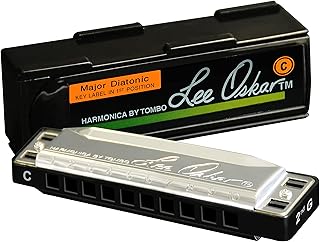
This model is in Key of C, so it is not an A-key substitute. It is included as a useful comparison for buyers who are open to a different key. Listed features include standard blues tuning, a plastic comb with large holes, an airtight design, responsive reeds, and louder sound.
Best for: Buyers who specifically need a C harmonica or want the listed large-hole design. It was selected because the listing provides several concrete construction and playability features.
Consider: Choose this only if Key of C suits your music or playing setup. Its key does not match a request for an A major diatonic harmonica.
East top 008K Diatonic Harmonica, Key of C

The East top 008K in C is listed as a 10-hole diatonic harmonica with a blue case. The product name describes it as suitable for adults, professionals, beginners, and students. It offers a same-series comparison for players who want the 008K format but prefer Key of C.
Best for: Beginners or students seeking a C-key instrument in a 10-hole design. It was selected because its audience description and format make it a relevant alternative for new players comparing keys.
Consider: This is not an A-key instrument. The supplied details do not state its reed material or tuning type, so verify those specifications if they matter to your purchase.
Fender Blues Deluxe Harmonica, Key of C
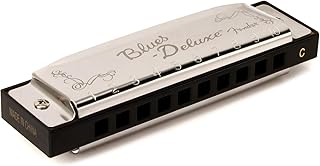
The Fender Blues Deluxe is a 10-hole diatonic harmonica in Key of C, described as suitable for beginners and blues players. Its listing specifies responsive reeds, a molded PVC comb, brass reeds, and a traditional shape with chromed metal covers. It also says the set includes a harmonica holder.
Best for: Beginners who want a C-key harmonica and are interested in a set that includes a holder. It was selected for those listed features and its beginner-focused description.
Consider: The key is C rather than A. The product information supplied does not explain the holder’s fit or use, so confirm the set contents and details in the listing if needed.
Buying Guide: How To Choose An A Major Diatonic Harmonica
The first decision is the key. A major diatonic harmonicas and C major diatonic harmonicas are not interchangeable simply because they share a 10-hole format. Select the instrument that matches the music, backing track, lesson, or ensemble you intend to play with. If you searched for an A major harmonica, start by comparing the two A-key models rather than choosing a C model solely because it is described as beginner-friendly.
Do You Need Key Of A Or Key Of C?
Choose Key of A when you need an A-key instrument for a specific song, playing context, or collection. The East top 008K and Lee Oskar in this roundup are the listed A-key choices. The East top listing highlights its 10 holes and 20 tones, while the Lee Oskar listing specifies standard blues tuning and replaceable reed plates.
Choose Key of C when your instruction, music, or playing partner calls for C. The C models here provide alternatives, not direct replacements for an A harmonica. If you are unsure which key to buy, check the key named in your lesson or sheet music, or ask the other musicians what key they are using.
What Does “Major Diatonic” Mean For A Buyer?
A major diatonic harmonica is organized around a particular musical key. The key label is therefore an important selection detail, not just a product variation. A model marked A is the relevant choice for an A-key request; a model marked C is not the same instrument in a different color or case.
Listings may also describe tuning, such as the Lee Oskar models’ standard blues tuning. Use the product’s stated tuning information to compare models, but avoid assuming that every harmonica with the same key has identical tuning or construction. The products in this roundup do not all provide the same level of technical detail.
Should You Choose A 10-Hole Harmonica?
All five products are described as 10-hole harmonicas in their product names or listed features. That shared format makes them straightforward to compare at a basic level, but it does not establish that they feel or sound identical. Hole size, reed response, comb material, and tuning details can affect a player’s preferences, and the supplied information varies by model.
For a first purchase, compare the features that are explicitly stated. The Lee Oskar C listing mentions large holes, an airtight design, and responsive reeds. The Fender listing specifies a molded PVC comb and brass reeds. The East top listings identify the 008K format, key, and case but provide fewer construction details in the supplied information.
Do Replaceable Reed Plates Matter?
Replaceable reed plates are a stated feature of both Lee Oskar listings. This may be a useful distinction for buyers who value the option to replace that component, but the supplied product details do not describe the replacement process, part availability, or cost. Review the listing and manufacturer information before treating replaceability as a long-term maintenance plan.
The other listed products do not include reed-plate replacement information in the supplied details. That absence does not prove that replacement is impossible; it means the information provided here does not support a direct comparison on that point.
Which Features Matter Most For Beginners?
Beginners can compare the stated audience, key, and included accessories. The East top C listing explicitly names beginners and students. The Fender listing also describes the instrument as suitable for beginners and says a harmonica holder is included. The East top A listing includes students in its audience description, making it a potential starting point for someone who needs Key of A.
Do not choose by beginner label alone. The correct key remains essential, and a holder is relevant only if it fits the intended way of playing. If you are learning a specific song or following a class, confirm the required key before selecting an instrument.
How Should You Compare Construction And Sound Descriptions?
Give the most weight to concrete, listed details rather than broad descriptions. Examples include the Lee Oskar C model’s plastic comb and large holes, the Fender’s molded PVC comb and brass reeds, and the East top A model’s 10-hole, 20-tone description. Terms such as “responsive” or “louder” are product claims in the listing; they are not a substitute for a detailed technical comparison.
Only some products in this roundup state reed or comb materials. If material is important to you, verify it directly in the product information rather than assuming that an unmentioned specification matches another model.
What Should You Check Before Ordering?
- Key: Confirm that the listing says A if you need an A major diatonic harmonica.
- Type: Check that the product is described as diatonic if that is the instrument you want.
- Tuning: Compare stated tuning details, including standard blues tuning where listed.
- Included items: Check whether a case or holder is included if you need one.
- Construction: Review stated details such as comb material, reed material, and hole size.
- Maintenance: If replaceable reed plates matter, confirm the relevant parts and details before purchase.
Product titles can combine several search terms and use broad audience descriptions. Read the key and feature details carefully, especially when comparing models from different brands. The information available for one product may not include a feature that another listing states, so treat missing details as unknown rather than assuming they are the same.
Frequently Asked Questions
Which product in this list is actually in Key of A?
The East top 008K and Lee Oskar Major Diatonic models are listed in Key of A. The other three products in this roundup are in Key of C.
Is a Key of C harmonica a substitute for a Key of A harmonica?
No. Key of C and Key of A are different harmonica keys. Choose the key required by your song, lesson, or playing situation.
Which listed A harmonica has replaceable reed plates?
The Lee Oskar Major Diatonic in Key of A is listed with replaceable reed plates. Check the product information for details about parts and replacement.
Which model is described as suitable for beginners?
The East top 008K in Key of C and the Fender Blues Deluxe in Key of C are described as suitable for beginners. The East top A listing names students and adults but does not specifically use the word “beginner” in the supplied product name.
Does the Fender Blues Deluxe include a harmonica holder?
The supplied Fender listing says the set includes a harmonica holder. Confirm the current listing details if the holder is important to your purchase.
What should I prioritize when buying an A major diatonic harmonica?
First confirm the key is A and that the instrument is diatonic. Then compare stated tuning, construction, replaceable reed plates, case or holder inclusion, and other features that matter for your playing needs.