
The best electric pickup for a cello depends on whether you prioritize natural acoustic tone, simple installation, or a compact active system. The Realist Copperhead is best for players seeking a transparent, self-powered transducer; the KNA VC-1 offers a bridge-mounted option without instrument modification; and the Fishman C-100 includes a cable for a straightforward setup. The Myers Feather is a flexible, powered option, while the Alnicov is designed for violin and is a less direct choice for cello.
| Pickup | Best For | Notable Feature |
|---|---|---|
| Realist Copperhead | Natural response without batteries | Flexible under-bridge transducer |
| KNA VC-1 | Non-permanent installation | Tailpiece-mounted output jack |
| Fishman C-100 | A basic bridge-mounted setup | Includes a 10-foot cable |
| Myers Feather | Flexible placement and active output | Internally powered preamp |
| Alnicov Violin Pickup | Violin pickup projects, not cello by default | Piezo outfit for electric violin |
Realist Copperhead Cello Pickup
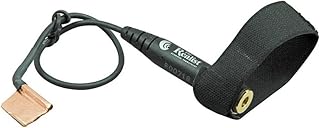
The Realist Copperhead is best for cellists who want a pickup described as transparent and responsive while avoiding a battery-powered setup. Its transducer fits under the bass foot of the bridge, and its jack mounts at the back of the tailpiece. The low-profile, flexible design is intended for installation during a string change, according to the product information.
The listed features emphasize sound color, texture, and dynamic response. The pickup is self-powered, so it does not require batteries or charging. That can simplify use for musicians who prefer a passive pickup arrangement and do not want another power source to manage.
- Best for: Players prioritizing natural sound character and a self-powered design.
- Why it stands out: Its under-bridge placement and discreet tailpiece jack are described as part of a low-profile installation.
- Consider: Installation involves positioning a transducer under the bridge foot, so check the setup instructions and fit before proceeding.
Choose this if a battery-free pickup and an under-bridge transducer match your needs. It may be less suitable if you specifically want an externally positioned microphone-style pickup or a product whose listed package includes a cable.
KNA VC-1 Bridge-Mounted Pickup
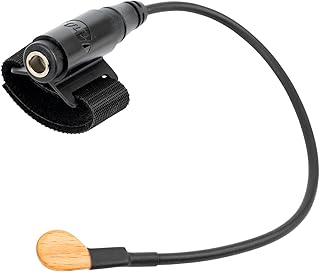
The KNA VC-1 is best for cellists looking for a bridge-mounted piezo pickup that does not require permanent instrument modification. The product information describes its sound as clear and balanced, with a design intended to capture the cello’s tone. A Velcro band attaches the 1/4-inch output jack to the tailpiece.
This arrangement may appeal to players who want a pickup installed on the instrument without making a permanent change. The listed features specifically highlight the tailpiece attachment and the absence of instrument modification. As with any bridge-mounted pickup, careful positioning and secure attachment matter to practical use.
- Best for: Players seeking a non-permanent bridge-mounted pickup and a tailpiece-attached jack.
- Why it was selected: It is explicitly designed for cello and combines a piezo pickup with a 1/4-inch output.
- Consider: The listed features do not mention an included cable or an onboard preamp.
Choose the KNA VC-1 if avoiding permanent changes is a priority. It is a better match for that need than a pickup whose installation requires a fixed instrument modification. Confirm the attachment method and connection needs before buying.
Fishman C-100 Classic Series Pickup

The Fishman C-100 is best for a player seeking a bridge-mounted piezo-ceramic cello pickup with a cable included in the listed package. Its product details specify a 1/4-inch jack and a 10-foot cable. Those features make the connection components clear when comparing it with pickups whose listings do not specify a cable.
The available product information is brief, so it does not describe tone shaping, power requirements, installation details, or additional accessories. Buyers should avoid assuming those features are included or supported based on the pickup name alone.
- Best for: Cellists who want a bridge-mounted pickup and a specified 10-foot cable.
- Why it was selected: The listing clearly identifies its piezo-ceramic design, 1/4-inch jack, and cable length.
- Consider: Details about installation and power are not included in the supplied feature information.
Choose this if a basic bridge-mounted format and included cable align with your setup. If you need a self-powered design, a particular installation method, or more detailed tone information, compare the product documentation before making a decision.
Myers Feather Cello Pickup

The Myers Feather is best for musicians who want a compact pickup that can be positioned on different instruments without permanent installation. The supplied details describe a flexible micro-gooseneck, an internally powered active preamp, volume control, and included mounting hardware. The power source is described as pre-installed, and the pickup does not require phantom power.
The product is presented as compatible with almost any musical instrument and most wireless systems. Because the listing is broad rather than cello-specific, cellists should verify the recommended placement and suitability for their instrument before purchase. Its active design is a difference to consider against the self-powered Realist Copperhead.
- Best for: Players who value flexible placement, a built-in active preamp, and volume control.
- Why it was selected: Its adjustable positioning and no-permanent-installation approach offer a different setup from bridge-mounted pickups.
- Consider: It uses an internally powered preamp, unlike a self-powered pickup, and placement on a cello should be confirmed.
Choose the Feather if moving the pickup between instruments or adjusting its position is important. Avoid assuming it uses the same installation or sound-capture method as a cello-specific bridge pickup.
Alnicov Electric Violin Piezo Pickup

The Alnicov is best suited to a buyer looking for a piezo pickup outfit specifically described for an electric violin project. Its listing says it is intended to help make an electric violin and produce sound through a silent EQ pickup. The provided information does not identify it as a cello pickup.
It appears in this comparison because it is a string-instrument piezo option, but the violin-specific description makes it a less direct fit than the four cello-oriented or broadly positioned alternatives above. Buyers should not assume that its dimensions, installation, or output arrangement suit a cello without checking product details and obtaining appropriate guidance.
- Best for: Buyers working on a violin pickup project rather than seeking a clearly cello-specific product.
- Why it was selected: It is the listed piezo option for a related bowed string instrument.
- Consider: The product description identifies violin use, not cello use; confirm fit and installation before purchase.
Choose this only if the intended instrument and installation match the product’s violin-focused description. For a cello, a product explicitly listed for cello is the more straightforward starting point.
Buying Guide: How To Choose A Cello Pickup
A cello pickup turns the instrument’s vibration into an electrical signal for amplification or recording equipment. The right choice depends on how the pickup attaches, whether it needs power, what connections are included, and how much installation flexibility you want. Compare those practical details before focusing on claims about sound quality.
Which pickup style fits your installation preferences?
Start by checking where the pickup sits and how it attaches. The KNA VC-1 is described as bridge-mounted, with a Velcro band securing its output jack to the tailpiece. The Realist Copperhead places its flexible transducer under the bridge’s bass foot and mounts its jack at the back of the tailpiece. The Fishman C-100 is also identified as bridge-mounted, although the supplied details do not explain its installation steps.
The Myers Feather takes a different approach: its flexible gooseneck and included mounting hardware are designed for positioning without permanent installation. This may suit a player who wants more placement flexibility. Do not assume that different mounting styles will produce identical results or work equally well with every cello setup.
Do you want a self-powered or active pickup?
Power requirements affect convenience and signal-chain planning. The Realist Copperhead is explicitly described as self-powered and requiring no batteries or charge. The Myers Feather has an internally powered active preamp and a pre-installed power source; its listing says phantom power is not needed. The provided descriptions for the KNA VC-1 and Fishman C-100 do not specify power requirements.
If you want to avoid managing a power source, the Realist’s stated self-powered design is a clear distinction. If an active preamp and volume control are priorities, the Feather offers those listed features. Confirm the current instructions and power details before connecting a pickup to your equipment.
What cable and connection details should you check?
Look for the output type and whether a cable is included. The KNA VC-1 specifies a 1/4-inch output jack, while the Fishman C-100 lists a 1/4-inch jack and a 10-foot cable. The other supplied descriptions do not clearly list a cable length. If you already own cables or wireless equipment, check that the pickup’s output and your intended setup work together.
Do not treat an output jack as proof that every cable, amplifier, or wireless system is included. Read the product’s current package information for exact contents. The Myers listing says it is compatible with most wireless systems, but it does not identify every system or configuration.
How important is natural tone and dynamic response?
Manufacturers describe tone differently, and product descriptions are not a substitute for hearing a pickup in your own setup. The Realist Copperhead listing emphasizes transparent sound, texture, and dynamic response. KNA describes the VC-1 as capturing cello tone with clarity and balance. The Myers Feather is described as amplifying natural tone, while the supplied Fishman details do not make a specific tone claim.
Use these statements as points for comparison, not as a guarantee that one pickup will sound best in every room or signal chain. Your instrument, placement, amplification equipment, and playing style can affect the result. When possible, check return terms and test procedures directly with the seller before purchase.
Is a violin pickup appropriate for a cello?
Not automatically. The Alnicov product is described as an electric violin pickup outfit, not as a cello pickup. A related instrument category does not establish that a product will fit a cello bridge, install correctly, or provide the intended output. For a cello purchase, prioritize listings that explicitly name cello and provide relevant placement and connection details.
What should beginners compare before buying?
- Instrument fit: Look for explicit cello use and verify the pickup’s placement requirements.
- Installation: Compare bridge mounting, under-bridge placement, or flexible external positioning.
- Power: Confirm whether the pickup is self-powered, internally powered, or requires another power arrangement.
- Connections: Check the output jack, cable inclusion, and any equipment requirements.
- Reversibility: If you want to avoid permanent changes, confirm exactly how the product attaches.
- Documentation: Review current instructions and package contents rather than inferring missing details.
For a first comparison, the Realist Copperhead, KNA VC-1, and Fishman C-100 are the most explicitly cello-focused options in this group. The Myers Feather provides a flexible active alternative, while the Alnicov should be treated as violin-oriented unless its maker or seller confirms cello suitability.
Frequently Asked Questions
What is the best electric pickup for a cello?
There is no single best choice for every player. The Realist Copperhead is a strong match for a buyer seeking a self-powered under-bridge transducer, while the KNA VC-1 is suited to someone prioritizing a bridge-mounted pickup without permanent modification.
Do cello pickups need batteries?
Some do not. The Realist Copperhead is described as self-powered and requiring no batteries or charging. The Myers Feather uses an internally powered active preamp. Check the specifications for any pickup whose power requirements are not stated.
Can I install a cello pickup without modifying my instrument?
The KNA VC-1 is specifically described as requiring no instrument modification. The Myers Feather is also described as installable without permanent installation. Confirm the manufacturer’s instructions for the exact attachment method before fitting a pickup.
Does the Fishman C-100 include a cable?
The supplied product details list a 10-foot cable and a 1/4-inch jack. Check the current package information to confirm what is included with the item being sold.
Can I use a violin pickup on a cello?
Do not assume so. The Alnicov listing identifies the product as an electric violin pickup, and the supplied information does not confirm cello compatibility. Verify fit and installation with the seller or manufacturer before considering it for cello.
What should I check before connecting a cello pickup?
Confirm the output connection, cable requirements, power needs, and the intended input on your amplifier or other equipment. Also follow the pickup’s placement instructions to avoid an uncertain installation.