
The best tin whistle depends on whether you want an easy first instrument, a traditional sound, or more than one playing key. The Clarke Sweetone is a strong all-around choice with a fingering chart and song sheet; the Waltons Pink Whistle includes a beginner instruction booklet; and the Sondery C-and-D set suits players who want both common keys. The options below compare their listed materials, sound descriptions, included learning aids, and intended uses.
| Whistle | Best For | Standout Feature |
|---|---|---|
| Clarke Sweetone in D | New and experienced players | Chart, song sheet, and pouch included |
| Sondery Brass Whistle in D | Players seeking a brass-bodied option | Bright sound description |
| Clarke Original D | Traditional whistle sound | Wooden mouthpiece and tapered metal body |
| Waltons Pink Whistle | First-time learners | Six-language instruction booklet |
| Sondery C and D Set | Players who want two keys | Includes whistles in C and D |
Clarke Sweetone Tinwhistle in D

The Clarke Sweetone is a versatile D whistle for players who want a traditional tapered metal body with a plastic mouthpiece. Its listed features include a clear, crisp sound with good volume, making it a practical option for practice or playing with other musicians.
Best for: Beginners who want basic learning materials included, as well as more experienced players looking for a straightforward D whistle. The package lists a fingering chart, song sheet, and suede cloth bag, so players can start learning and keep the instrument protected between sessions.
Why it stands out: It combines a defined sound description with useful accessories instead of requiring buyers to source a chart or song sheet separately.
Consideration: This model is listed in D only. Choose another option if you specifically want whistles in multiple keys or a different key for your repertoire.
Sondery Brass Whistle in D

This Sondery penny whistle is described as a brass instrument with a polished finish and a bright, brass-type sound. The listing presents it as suitable for traditional Irish music, folk music, and other styles, either as a solo instrument or alongside other instruments.
Best for: Players who prefer a brass-bodied whistle and want a simple D-key instrument for folk or traditional music. The product description emphasizes an easy blowing mechanism and a clear, recognizable sound, making it a possible choice for beginners as well as more experienced players.
Why it stands out: Its stated material and bright sound profile give buyers a clear point of comparison with the Clarke models, which have tapered metal bodies and different sound descriptions.
Consideration: The supplied product details do not list a fingering chart, song sheet, or carrying pouch. If learning aids or storage accessories matter, compare package contents before choosing.
Clarke Original D Tinwhistle

The Clarke Original is a D penny whistle with a wooden mouthpiece and tapered metal body. Its listed sound is mellow, melodic, and slightly breathy, with good volume. The description also identifies it as a historically correct tin whistle and states that it is made in England.
Best for: Players who want a traditional-style instrument and prefer a mellower, breathier sound description over a crisp, bright one. The wooden mouthpiece and tapered body are the main construction details that distinguish it from the other choices here.
Why it stands out: This option offers a clearly specified traditional design and sound character. It can suit learners exploring classic whistle tone or players seeking a different tonal profile from a bright-sounding model.
Consideration: The listed features do not mention a fingering chart, song sheet, or bag. Buyers who want bundled learning materials may prefer a whistle whose package explicitly includes them.
Waltons Pink Whistle in D

The Waltons Pink Whistle is a D-key instrument with a pink-coated solid brass body and pink mouthpiece. Its standout beginner feature is a six-language instruction booklet intended to help new players get started. The product description also characterizes its tone as sweet and mellow.
Best for: First-time learners who value an included instruction booklet and want a colorful instrument. The booklet makes this a particularly clear beginner-focused choice among the listed products, while the D key supports a range of music according to the product description.
Why it stands out: It pairs a distinctive pink finish with a specific learning aid. That combination may be useful for a new player or as a gift when appearance and beginner guidance both matter.
Consideration: The listing identifies this as a D whistle, not a multi-key set. It also does not specify a separate fingering chart or carrying bag among the provided features.
Sondery C And D Whistle Set
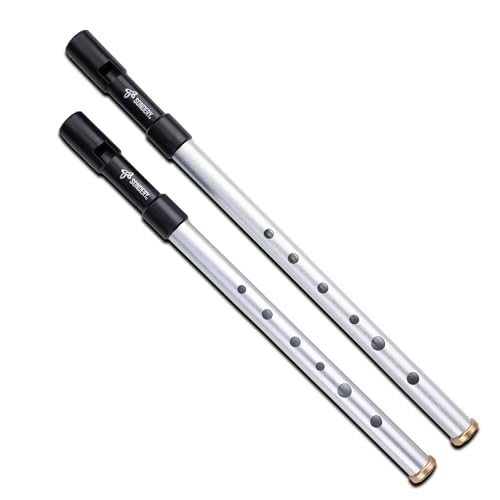
This Sondery set includes tin whistles in both C and D. The listing describes the instruments as aluminum, with a clear, bright sound and crisp response across a wide range of octaves. It also presents the whistles as suitable for Irish, folk, and other musical styles.
Best for: Buyers who want two keys in one selection rather than a single D whistle. Having C and D instruments can offer more choice when matching a tune or playing with other musicians, although the supplied details do not specify particular song or ensemble compatibility.
Why it stands out: The two-key format is its main practical advantage. The listed bright tone and easy-play design also make it a candidate for beginners who want room to explore more than one whistle key.
Consideration: A two-whistle set may be more than a beginner needs if the player only plans to learn on one instrument. The provided features do not list a case, chart, or instruction booklet.
Buying Guide: How To Choose A Tin Whistle
Which key should you choose?
Key is one of the most important details to check before buying. Four of the single-whistle options above are specified in D, while the Sondery set includes both C and D. A D whistle is a common starting point for traditional Irish whistle playing, but the right key depends on the tunes you want to play and the instruments around you.
If you are learning without a specific repertoire in mind, a D whistle keeps the choice simple. Choose a C-and-D set if you want two instruments in different keys. Do not assume a whistle in one key can be substituted for another without affecting the notes or how a tune is played.
What sound do you prefer?
Product descriptions use sound terms that can help narrow the options, but they are not identical. The Clarke Sweetone is described as clear, crisp, clean, and good in volume. The Sondery D whistle is described as bright, while the Clarke Original is characterized as mellow, melodic, and slightly breathy.
These descriptions are useful for comparing the stated tonal character, not for predicting exactly how an instrument will sound in every room or in every player’s hands. If you already have a preferred sound, use the listed wording to guide your choice. If you are unsure, prioritize key, learning materials, and construction details as well.
Does body material matter?
The models here include different construction details. The Clarke Sweetone has a precision plastic mouthpiece and tapered metal body. The Clarke Original also has a tapered metal body, but its mouthpiece is wooden. The Waltons whistle is described as having a pink-coated solid brass body, and the Sondery two-whistle set is described as aluminum.
Material alone does not establish which whistle is best. Compare the complete design and sound description, and consider whether a particular mouthpiece or finish appeals to you. Product information supplied for the individual models does not provide enough detail to make broader claims about maintenance or long-term durability.
What should a beginner look for?
New players can benefit from clear learning resources. The Clarke Sweetone includes a fingering chart and song sheet, while the Waltons Pink Whistle includes a six-language instruction booklet. These are the most explicit learning aids listed among the five selected options.
A simple blowing mechanism is also emphasized in the Sondery product descriptions. However, easy-to-play wording does not replace instruction or practice. Before buying, check which printed materials are actually included rather than assuming every whistle comes with a guide.
Is one whistle enough, or should you buy a set?
A single D whistle is a straightforward choice if you are beginning with one instrument or know that D suits your music. The Clarke Sweetone, Clarke Original, Waltons Pink Whistle, and Sondery brass model are all listed in D. A set makes more sense if you have a reason to use both C and D or want to compare the two keys.
Also compare what is included beyond the instrument. The Clarke Sweetone lists a pouch, fingering chart, and song sheet. The Clarke Original, Sondery brass whistle, and Sondery set do not list those accessories in the supplied details. The Waltons model lists an instruction booklet.
How should you compare value without focusing only on price?
Compare what you receive and what you need: the key, construction, sound description, and included learning or storage items. A whistle with a chart may be more convenient for a learner, while a two-key set may better serve someone who wants musical flexibility. A traditional wooden mouthpiece or a particular finish may be a deciding factor for another buyer.
Check the current product listing for the exact package contents before ordering. The details summarized here reflect the supplied product information and do not establish that accessories or specifications beyond those listed are included.
Frequently Asked Questions
What is the difference between a tin whistle and a penny whistle?
The names generally refer to the same small fipple flute instrument. “Tin whistle” and “penny whistle” are commonly used names for the instrument rather than separate categories in this product selection.
Is a D tin whistle a good choice for a beginner?
A D whistle can be a practical first choice for someone learning traditional Irish or folk tunes. Consider a model that includes learning materials, such as the Clarke Sweetone with its fingering chart and song sheet or the Waltons whistle with its instruction booklet.
Which whistle includes a fingering chart?
The Clarke Sweetone product details specifically list a fingering chart and song sheet. The Waltons Pink Whistle lists a six-language instruction booklet, but the supplied features do not specifically identify a fingering chart.
Should I choose brass, aluminum, or a tapered metal whistle?
Compare the instrument’s full design and stated sound rather than choosing by material alone. The listings describe a brass Sondery whistle as bright, the aluminum Sondery set as clear and bright with crisp response, and the Clarke models by their distinct sound qualities and mouthpiece designs.
When is a C-and-D whistle set useful?
A C-and-D set is useful when you want instruments in two keys instead of buying only one D whistle. The Sondery set includes both keys, while the single-whistle products in this selection are specified in D.