
Pocket-sized musical instruments make it easier to explore music at home, on trips, or during a break. The Stylophone is best for players who want a compact electronic synthesizer, while the HACOCOLA mini keyboard is designed for young children. For plucked, melodic sounds, consider the Newlam 17-key or LPAILON 8-key kalimba. The HOKEMA B5 is a particularly small thumb piano, and the Meinl pocket tongue drum offers a simple percussion option. Compare how each instrument is played, its size, and its intended use before choosing.
| Instrument | Best suited for | Playing method |
|---|---|---|
| Stylophone Original | Electronic-sound exploration | Touch-sensitive surface and stylus |
| HACOCOLA Mini Keyboard | Young children | Pressing light-up keys |
| Newlam 17-Key Kalimba | Beginners and broader note choices | Plucking metal tines with thumbs |
| LPAILON 8-Key Mini Kalimba | Compact, simple melodies | Plucking eight metal keys |
| Meinl Pocket Steel Tongue Drum | Portable percussion and relaxed play | Striking tongues with a mallet |
Stylophone Original Pocket Synthesizer

The Stylophone is a compact electronic instrument played by moving a connected stylus across a touch-sensitive metal surface. Each segment produces a different note. Its listed features include three octaves, an optional vibrato effect, and an analog sound associated with the original model introduced in 1968.
Best for: Beginners and experienced musicians who want a small electronic instrument with a distinctive playing method. It was selected because it offers a different sound and approach from the thumb pianos and percussion options in this guide. Choose it if you want to experiment with synthesized tones without carrying a full keyboard.
Limitation: The instrument is played with its stylus on a segmented surface rather than conventional piano keys, so it may not suit buyers looking for a standard keyboard layout.
HACOCOLA Mini Keyboard Piano

This mini piano toy is described for children ages three to eight. It has a portable design, keys that light up as it plays, adjustable volume, and three instrument sounds. Those features make it a play-oriented choice for exploring simple musical sounds and cause and effect.
Best for: Families seeking a small, colorful instrument for a young child. The light-up keys and multiple sounds set it apart from the more traditional kalimbas. Choose this if visual feedback and easy key pressing matter more than a conventional acoustic instrument.
Limitation: It requires three AAA batteries, which are not included. The product is presented as a mini piano toy, so buyers seeking a full-size keyboard for structured piano study should consider a different instrument.
Newlam 17-Key Kalimba Thumb Piano

The Newlam kalimba has 17 metal keys, described as ore steel bars, mounted on a natural air-dried wood body. Its keys have embossed notes and letters, and its body includes a curved hand-rest design. The listed guidance is intended to help players learn a song, making the instrument approachable for beginners as well as useful to more experienced players.
Best for: Buyers who want a portable melodic instrument with more keys than a very small pocket thumb piano. The embossed note markings can help new players identify the keys, while the 17-key layout offers a wider set of playing options than the 8-key LPAILON model listed here.
Limitation: A kalimba is played by plucking its metal keys with the thumbs, not by pressing piano-style keys. It may be less suitable for someone who specifically wants keyboard technique or electronic sounds.
LPAILON 8-Key Mini Kalimba

This mini kalimba pairs a Sapele-wood body with stainless steel keys. Its eight keys are described as pre-tuned, so it is ready for playing without a tuning step stated in the product features. The listing presents it as a compact instrument for producing melodies and as a calming option for relaxing.
Best for: People who want a small thumb piano with a simpler layout. Compared with the Newlam 17-key model, the LPAILON has fewer keys, which can make it an appealing choice for buyers prioritizing a compact, straightforward instrument over a broader note range.
Limitation: Eight keys provide fewer playing choices than a 17-key kalimba. Choose another instrument if you want a larger range of notes or a keyboard-style playing experience.
Meinl Pocket Steel Tongue Drum
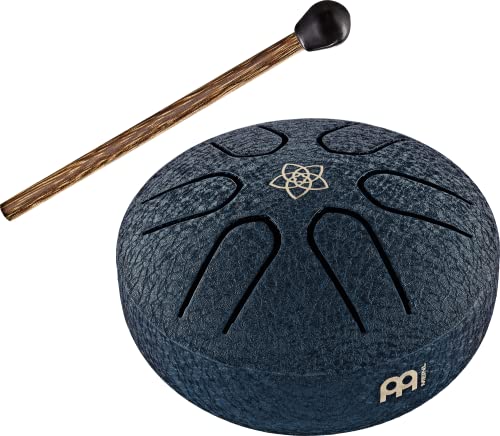
The Meinl Sonic Energy pocket steel tongue drum is a three-inch, six-note percussion instrument. Its compact size is described as pocketable, and the product listing characterizes its sound as light and airy. It is positioned for musical education, meditation, yoga, ASMR, and other relaxed playing contexts.
Best for: Buyers who prefer striking an instrument rather than plucking strings or keys. Its six-note layout and small form make it a distinct alternative to the keyboard and kalimba choices in this guide. Consider it for simple percussion or exploratory sound-making.
Limitation: The six-note format is more limited than a full keyboard or 17-key kalimba. The supplied product information mentions a mallet in the product name but does not specify additional accessories, so check the listing for the exact package contents.
Buying Guide: How To Choose A Pocket-Sized Musical Instrument
The best choice depends on what you mean by “pocket-sized.” Some instruments fit in a pocket, while others are simply compact enough for a small bag. Check the listed dimensions when available and think about where you plan to store or carry the instrument. A very small design is convenient, but it may have fewer keys, notes, or controls than a larger portable model.
Which playing style feels right?
Start with the physical action you want to practice. The Stylophone uses a stylus that slides or taps across a touch-sensitive surface. A mini keyboard is played by pressing keys. Kalimbas produce notes when players pluck metal tines with their thumbs. A tongue drum is struck with a mallet. Choosing a familiar or appealing motion can make an instrument easier to pick up regularly.
- For electronic tones: Consider the Stylophone, which is designed around a synthesizer sound and stylus play.
- For a child-friendly keyboard toy: The HACOCOLA offers light-up keys, adjustable volume, and three instrument sounds.
- For thumb-plucked melodies: Compare kalimba key counts, materials, and note markings.
- For percussion: Consider the six-note Meinl tongue drum and its mallet-based playing method.
How many notes or keys do you need?
More keys can provide more note choices, but they do not automatically make an instrument a better fit. The Newlam has 17 keys, while the LPAILON has eight. A smaller layout may appeal to someone who wants a simple portable instrument; a larger one may be preferable when a wider range of notes matters. The Meinl drum has six notes, and the Stylophone lists three octaves. Compare these figures in the context of how you intend to play.
Are you buying for a child or a beginner?
For young children, consider the intended age range, play method, volume controls, and whether batteries are required. The HACOCOLA is listed for ages three to eight and requires three AAA batteries that are not included. For adults or older beginners, the Newlam’s embossed note labels and listed playing guidance may be useful. The right choice depends on whether the learner is more interested in playful exploration, melody, percussion, or electronic sounds.
Should you choose an acoustic or electronic instrument?
Electronic instruments can offer sound options or effects that acoustic instruments do not. The Stylophone has an optional vibrato effect, while the HACOCOLA lists three instrument sounds. The kalimbas and tongue drum are played through their physical tines or tongues. If you want an instrument that does not rely on the listed electronic features, a kalimba may be the more direct option; if sound variation matters, compare the electronic product features carefully.
What should you check before ordering?
- Portability: Confirm the actual dimensions and whether the instrument will fit your pocket, purse, backpack, or travel case.
- Power needs: Check whether batteries are required and whether they are included. The HACOCOLA listing specifically says its three AAA batteries are not included.
- Included accessories: Review the product listing for any stylus, mallet, guide, or other item you expect to use.
- Learning aids: Note whether the instrument has marked keys, embossed notes, or playing guidance.
- Sound and use: Match the instrument type to your goal, such as beginner exploration, travel practice, simple melodies, or relaxed percussion.
- Durability and materials: Compare the materials stated in the product details, but avoid assuming that any instrument is indestructible or suitable for every travel condition.
Frequently Asked Questions
What is the easiest pocket-sized instrument for a beginner?
Ease depends on the player and preferred playing style. The Newlam kalimba has embossed note labels and listed playing guidance. The HACOCOLA mini keyboard is designed for young children and has light-up keys. Buyers should choose the format that feels most intuitive.
Which pocket instrument is best for electronic sounds?
The Stylophone Original is the clearest fit in this selection for electronic sounds. It uses a touch-sensitive metal surface and stylus, and its features include three octaves and an optional vibrato effect.
What is the difference between an 8-key and 17-key kalimba?
The Newlam has 17 keys, while the LPAILON has eight. The 17-key model offers more keys to play; the eight-key model has a more limited layout. Choose based on whether you prioritize note options or a simpler compact instrument.
Does the HACOCOLA mini keyboard include batteries?
No. Its listed features say it requires three AAA batteries, which are not included.
Can a pocket tongue drum be used for meditation or relaxation?
The Meinl pocket steel tongue drum is listed for uses including meditation, yoga, and ASMR, and its sound is described as light and airy. Whether it suits a particular setting depends on the player’s preferences and environment.
Are miniature musical instrument ornaments playable?
Not necessarily. Miniature decorative sets may be made for crafts or display rather than music-making. Check the product description for the intended use before choosing one as an instrument.