
Short Intro: Choosing the right 1 inch full range speaker matters for portable speakers, DIY audio projects, micro speakers for radios, and hobby electronics. Below is a concise comparison table of the top selections from Amazon followed by focused reviews and a buying guide to help narrow choices by size, impedance, sensitivity and intended use.
| Product | Size / Impedance | Key Feature |
|---|---|---|
| Dayton Audio CE54N-4 | 2″ driver, 1″ voice coil, 4 Ω | High value full-range, 15W rating |
| GRS 3FR-4 Full Range 3″ | 3″ driver, 4 Ω | Coated paper cone with foam surround |
| ProTechTrader 1in Speaker (26mm) | 26mm (≈1″), 8 Ω | Small plastic-shelled DIY speaker |
| QINIZX 2Pcs 4Ohm 3W Replacement | 31mm ≈1.22″, 4 Ω | Replacement pair for compact Bluetooth/radio units |
| Gikfun 40mm 4Ω 3W (Pack of 2) | 40mm ≈1.57″, 4 Ω | Hobby-friendly speakers for Arduino and small enclosures |
Dayton Audio CE54N-4 2″ Dual Neo Full-Range

This Dayton Audio model uses a compact 2″ diaphragm with a 1″ voice coil and a 4 ohm impedance. It targets small enclosures and projects that need a true full-range driver rather than a tiny tweeter-only element. The listed feature emphasizes value-oriented, clear audio for budget-conscious designs and small powered speaker systems. Its stated power handling (15W) and dual-neo design indicate compatibility with modest amplifiers and bookshelf or desktop cabinet builds.
GRS 3FR-4 Full Range 3″ Speaker Driver
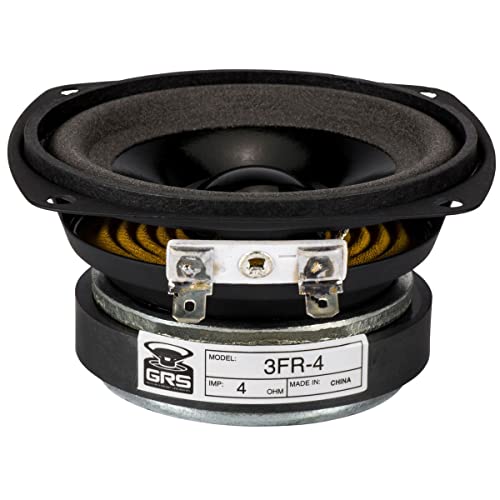
The GRS 3FR-4 is a compact but slightly larger full-range driver featuring a coated paper cone and foam surround, with a ferrite magnet assembly. It’s designed for economical small speaker systems where a natural midrange is preferred. The build characteristics make it suitable for sealed or small ported enclosures and replacement speaker duties where a warm, natural response is desired.
1in Speaker 26mm 8 Ohm Green Shell
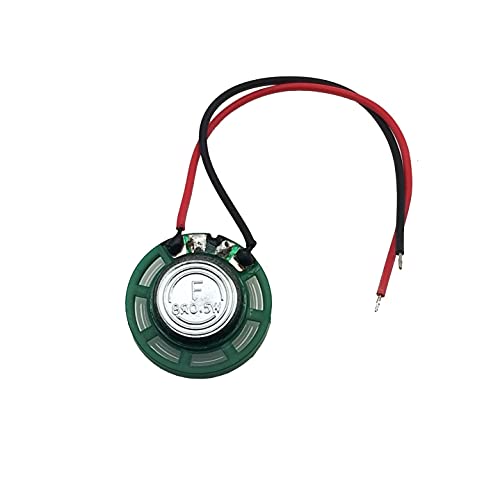
This ProTechTrader 26mm driver represents a true 1 inch class speaker intended for toys, small electronics, and ultra-compact projects. With an 8 ohm nominal impedance and low power rating (0.25W nominal), it is best matched to low-power amplifiers, signal indicators, or educational builds. The plastic shell and loose-packed format make it easy to integrate in space-limited enclosures.
2Pcs 4Ohm 3W Full Range Audio Speaker Replacement

QINIZX supplies a pair of compact replacement drivers with a 31mm diaphragm (≈1.22″), 4 ohm impedance, and 3W rated power. The listing highlights that these are aftermarket replacements requiring basic repair ability. Their small form factor suits restoration of older Bluetooth units, mini speakers, or projects seeking higher sensitivity than the tiniest 1″ plastic shells.
Gikfun 4Ohm 40mm Diameter 3W Full Range (2 Pack)

Gikfun’s pair of 40mm drivers (≈1.57″) are hobby-oriented with 4 ohm impedance and 3W rating. The spec sheet lists a resonance frequency around 320Hz and sensitivity near 83±3 dB, which is typical for small full-range drivers used in Bluetooth speaker conversions, Arduino audio projects, and portable multimedia boxes. They’re solder-friendly and meant for DIY enclosures.
Buying Guide: How To Choose A 1 Inch Full Range Speaker
Selecting the right small full-range driver requires matching speaker specs to your project goals. Below are the main considerations.
Size And Physical Fit
- Measure mounting holes and cutout depth. Drivers labeled “1 inch” typically range 26–31mm; confirm diameter including ears and magnet depth.
- Consider frame and gasket shape if retrofitting into an existing enclosure or panel.
Impedance And Amp Compatibility
- 4 Ohm
- 8 Ohm
Power Handling And Sensitivity
- Match continuous power handling to your amplifier. Small drivers often list very low wattage—use a conservative power level to avoid voice coil damage.
- Sensitivity (dB SPL @ 1W/1m) determines loudness. Higher sensitivity means louder output for the same power.
Frequency Response And Resonance
- Small full-range drivers often roll off in the low bass; plan for separate woofers or accept limited bass extension for compact designs.
- Check resonance frequency (Fs); drivers with Fs near 300Hz will lack deep bass and are better for midrange-focused designs.
Enclosure Type
- Sealed enclosures typically give tighter bass; small drivers in tiny boxes need careful volume tuning to avoid boomy response.
- Open-baffle or baffled front designs change perceived output—experiment or model enclosure response when possible.
Application And Durability
- Retrofit/Replacements: Choose drivers with similar mounting geometry and impedance to the originals (e.g., QINIZX replacement pair).
- Portable Or Weather Exposed: Prefer drivers with protective surrounds or weatherproofing; look for purpose-built outdoor units for harsh environments.
Comparison Perspectives
- If You Need True 1″ Footprint: The 26mm ProTechTrader suits space-limited electronics but accept low power handling.
- If You Want Better Midrange And Power Handling: Dayton Audio CE54N-4 offers higher power capability among compact drivers.
- Hobbyist Flexibility: Gikfun and QINIZX provide economical multi-packs and are practical for DIY speaker pairs or replacements.
- Natural Tonal Character: GRS coated paper cones typically give a warm, natural midrange compared with plastic-shelled drivers.
Use the above criteria to weigh impedance, size, and acoustic goals for your project. Matching amplifier capability and enclosure design is as important as choosing a nominal driver size.