Best 1 Inch Mini Subwoofer Options for Tiny Audio Projects and RC Setups
Answering the search intent for a compact subwoofer, this guide highlights small, 1 inch to about 1.6 inch drivers that best fit compact DIY projects, RC cars, and mini audio setups. These picks are aimed at makers who need punchy bass from a tiny footprint, such as hobbyists building breadboard stereos, AR/RC enthusiasts, and compact home audio tweaks. The following selections emphasize size compatibility, ease of use, and practical performance for small-scale applications.
Buyer-friendly summary table
| Product | Best For | Why It Stands Out |
|---|---|---|
| WMYCONGCONG 4 PCS 1.5″ 4ohm 3W | DIY mini speakers, radios, intercoms | Compact 1.5″ size with 3W power for clear sound in small enclosures. |
| Healifty 40mm Full Range Speaker 4 Ohm 5W | Desk setups and small computer/audio projects | Balanced 5W/4Ω with dedicated bass diaphragm for deeper low end. |
| Viliqiou 6 Pcs 2W 8 Ohm 1″ Speakers | Multi-project kits and volume-limited builds | One-inch form factor with multiple units for arrays or substitutions. |
| Gikfun 4Ohm 40mm Full Range Speaker EK1794 | DIY electronics and Raspberry Pi projects | Two-pack, 40mm, practical for small enclosures and kits. |
| DWEII 4 PCS 1W 8 Ohm Mini Speakers | Arduino projects and small advertising displays | Very small, easy to wire, good for ultra-compact audio tasks. |
WMYCONGCONG 1.5″ 4ohm Mini Speakers Pack
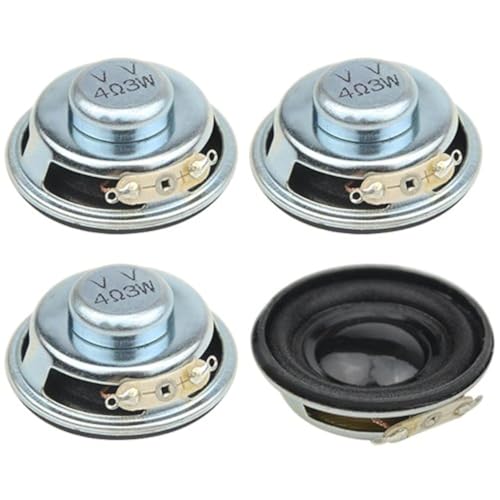
The WMYCONGCONG unit offers a compact 1.5-inch diameter with a 4-ohm impedance and 3W power. Best for entry-level DIY projects that require a small footprint without sacrificing basic sound quality. This option is suited for miniature radios, intercoms, or small enclosure projects where space is at a premium.
Who it’s best for: hobbyists building tiny speaker boxes or multi-speaker arrays in compact enclosures. Why selected: its size-to-power ratio makes it predictable in tight spaces. Limitation: 3W output may be insufficient for larger, louder mini installations.
Healifty 40mm Full Range Speaker 4 Ohm 5W
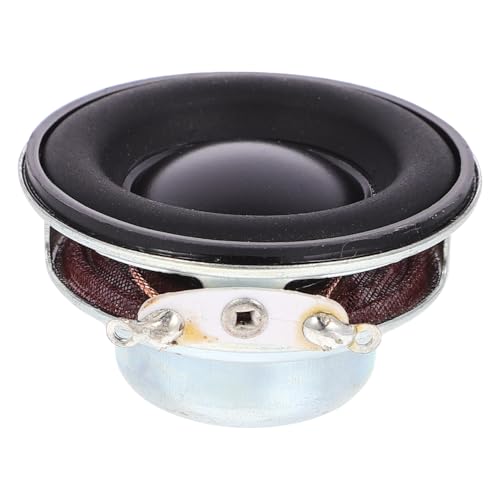
The Healifty 40mm speaker delivers 5W at 4 ohms and includes a bass-oriented design for enhanced low-end response. This makes it a strong choice for desktop mini audio upgrades or small computer speaker projects where a larger woofer isn’t feasible.
Who it’s best for: users needing better low-frequency presence in compact builds. Why selected: a practical upgrade over ultra-tiny drivers due to its dedicated bass potential. Limitation: as a full-range unit, extreme bass output is still limited by size and enclosure.
Viliqiou 6 Pcs 1″ 8 Ohm Mini Speakers

This set includes six 1-inch, 8-ohm speakers, providing flexible options for DIY projects, from radios to small multimedia devices. The metal shell helps with durability and acoustic clarity in compact boxes.
Who it’s best for: builders needing multiple identical drivers for arrays or multiple tiny devices. Why selected: value-heavy option that reduces the need for sourcing singles. Limitation: not designed for high-power subbass; best used for mid-to-high range duties or modest bass reinforcement.
Gikfun 4Ohm 40mm EK1794 Full Range Speaker (Pack of 2)

The Gikfun EK1794 pair is compact at 40mm and provides 4-ohm impedance. Ideal for Raspberry Pi projects, small DIY audio radios, or micro speaker replacements where space is restricted. Two units allow simple stereo or parallel wiring for more output.
Who it’s best for: hobbyists seeking economical, compact drivers for small kits. Why selected: two-pack convenience and consistent performance. Limitation: being full-range, bass depth is limited in very small enclosures.
DWEII 4 PCS 1W 8 Ohm Mini Speakers

The DWEII set includes four tiny 1W, 8-ohm speakers suitable for ultra-compact Arduino projects or small advertising machines. They wire easily with JST-PH connections, which can simplify prototyping in tight spaces.
Who it’s best for: those prioritizing ultra-compact form factors and easy integration. Why selected: small footprint allows new design possibilities in micro-enclosures. Limitation: 1W rating means limited loudness; best for signal-level audio or as tweeters in a small system.
Buying Guide: Key Considerations For Choosing A Small Subwoofer Or Tiny Speaker
- Size vs. Sound Output: In tiny drivers, the enclosure and power handling largely determine bass performance. Expect better perceived bass from 1.5″ to 2″ units with well-chosen enclosures compared to single 1″ drivers.
- Impedance and Power: Common values are 4 ohms or 8 ohms. Pairing with the right amplifier or audio board maximizes efficiency. Higher power ratings can improve headroom, but the enclosure limits bass.
- Application Type: RC cars, desk setups, DIY radios, and micro audio players each benefit from different driver traits. For RC windings and micro cars, a compact, durable driver with decent excursion is ideal.
- Durability and Mounting: Aluminum frames, metal shells, and mounting depth influence installation ease in tight spaces. Look for mounting dimensions that fit your project’s chassis or enclosure.
- Enclosure Design: Small drivers benefit from tuned enclosures and passive radiators when possible. Improper enclosure volume can mute bass or cause distortion.
- Full-Range vs Subwoofer Type: Some tiny drivers are full-range and mid-centric, not optimized for deep sub bass. If deep bass is critical, consider a dedicated, compact subwoofer with a higher excursion and suitable enclosure.
- Quantity and Layout: If your project requires multiple drivers, consider kits that include several units. Parallel or series wiring must be planned to achieve the correct total impedance.
Frequently Asked Questions
- What is a “1 inch mini subwoofer”?
A one-inch or near-one-inch driver usually refers to a very small speaker or subwoofer element used in compact audio projects. It’s designed more for midrange and high-end responses in tiny enclosures than for deep bass, though some drivers can deliver noticeable low end with the right enclosure. - Can I use these tiny drivers in an RC car?
Yes, many compact drivers are suited for RC vehicles, especially 1.5″ to 2″ sizes that fit within small chassis compartments and offer enough power for fun, realistic sound effects and minimal bass presence. - Do I need an amplifier for these small drivers?
Most of these drivers require a power source or amplifier with compatible impedance and output. Check the driver’s rated impedance (4Ω or 8Ω) and supply adequate voltage and current for clean sound. - Should I choose a multi-pack or a single driver?
Multi-packs provide consistency across channels or multiple project builds and can be more cost-effective. Single drivers work well for a focused, compact device needing one speaker. - What enclosure type works best for tiny drivers?
For the smallest drivers, sealed enclosures minimize phase issues and distortion, while a properly tuned vented enclosure can enhance bass in a compact space. Always calculate internal volume to avoid muffled sound. - Are these drivers suitable for high-fidelity listening?
While suitable for hobbyist and project use, they typically won’t match the performance of full-sized, purpose-built subwoofers. They excel in compact, budget-friendly DIY builds where space is the primary constraint.