
Best 10 4 Ohm Guitar Speaker Upgrades for Your Amp
Answering the question, these 10-inch, 4-ohm guitar speakers are strong upgrades for small to mid-sized combos and extension cabinets. They balance clarity, punch, and compatibility with typical tube and solid-state amps. The top picks below vary by use case: stage-ready upgrades for guitarists seeking tighter low-end, studio-friendly mids, or durable live performance drivers. The table summarizes who each product is best for.
Product Comparison Table
| Product | Impedance | Typical Power Handling | Best For |
|---|---|---|---|
| Jensen MOD 10-50 (10″, 50W, 4Ω) | 4 Ohms | 75 Hz – 4.5 kHz | Bright cleans and mid-range presence in small amps |
| Eminence Legend BP102-4 (10″, 200W @ 4Ω) | 4 Ohms | Pro audio and bass guitar mid-range | Mid-range accuracy in sealed or vented enclosures |
| Jensen P10R4 (10″, 25W, 4Ω) | 4 Ohms | 25W | Classic clean tones with compact headroom |
| 5 CORE 10″ Guitar Speaker (4Ω, 600W peak) | 4 Ohms | Up to 600W peak | High-output upgrades for louder rigs |
| Seismic Audio SA-210_4OHM-USA (2×10″, 4Ω cabinet) | 4 Ohms | 400W RMS / 800W peak | Two-woofer bass/guitar setup with rugged grille |
Jensen MOD 10-50 10″ 4 Ohm Speaker

The Jensen MOD 10-50 is a 10-inch guitar speaker rated at 4 ohms, with a frequency range of roughly 75 Hz to 4.5 kHz. It suits players who want a straightforward, bright midrange with solid upper harmonics for single-coil tones. Best for compact combos or extension cabinets where clean headroom and articulation matter. Caution: lower wattage compared with some modern drivers may limit headroom on high-gain, loud rigs.
Eminence Legend BP102-4 10″ Speaker
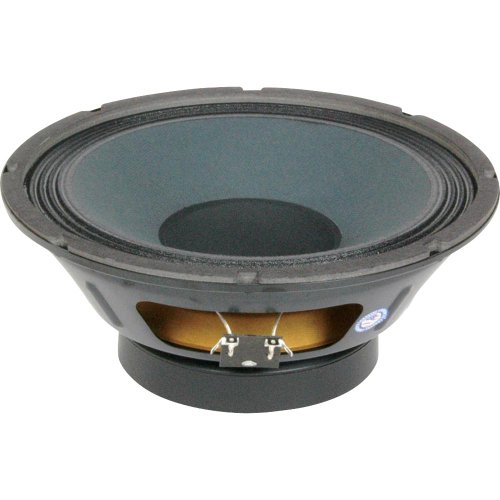
The Eminence Legend BP102-4 is designed as a mid-range driver with 4-ohm impedance, intended for pro audio and bass guitar applications. It performs well in single-driver or multi-driver arrangements and in both sealed and vented enclosures. Best for players needing robust midrange presence with flexible enclosure compatibility. Caution: may not deliver deep bass punch in very small enclosures without proper tuning.
Jensen P10R4 10-Inch Speaker

The Jensen P10R4 is a 4-ohm, 10-inch ceramic speaker rated around 25 watts. It provides a classic, tight response with a traditional ceramic magnet voice coil. This makes it a good choice for vintage-style amps or pedals that favor clean, articulate tones. Best for players seeking a traditional guitar speaker texture in a small-to-medium cabinet. Limitation: lower power rating means careful gain staging is needed in high-output rigs.
5 CORE 10 Inch Guitar Speaker 600W 4 Ohm

The 5 CORE 10 Inch Speaker handles up to 600W peak with a 4-ohm impedance, offering a wide frequency response from 40 Hz to 4 kHz. It aims for strong bass and clear mids with efficient power transfer. Best for upgrading louder amps or cabinets needing more punch. Choose this if you require higher peak handling and a broader tonal window; caution: peak specs do not guarantee continuous high-power performance in all enclosure designs.
Seismic Audio SA-210_4OHM-USA Cabinet

This cabinet features two 10″ drivers at 4 ohms, delivering 400W RMS and up to 800W peak. The frequency response spans from 40 Hz to 5,000 Hz, making it versatile for bass guitar or midrange-driven guitar setups. Best for players needing a compact 2×10 solution with sturdy grills and a bold stage presence. Caution: you’re buying a cabinet rather than a single speaker, so integration with existing amps requires compatible enclosure design.
Buying Guide
What to consider when choosing a 10-inch, 4-ohm guitar speaker
- Impedance and power handling: A 4-ohm load is common for many combos and heads. Match your amp’s minimum impedance and required headroom to avoid clipping or overheating.
- Speaker type: Ceramic vs. ferrite magnets influence tone and efficiency. Ceramic tends to be brighter and stiffer, while ferrite can offer smoother lows on some models.
- Enclosure compatibility: Some speakers excel in sealed boxes, others in vented cabinets. Consider your current or planned enclosure to ensure optimal performance.
- Tone goals: For vintage cleans, look for tight low-end and smooth mids. For modern high-gain tones, prioritize higher sensitivity and peak power handling.
- Size and mounting: Ensure mounting depth and mounting hole pattern fit your cabinet. The 10″ size balances portability with low-end authority.
- Singles vs. multi-driver setups: A single 10″ speaker suits compact amps; two 10″ drivers or a 2×10 cabinet increases headroom and midrange clarity for live gigs.
What’s the best overall choice?
The best option depends on your use: for compact practice or small-stage rigs, the Jensen MOD 10-50 or Jensen P10R4 provides classic 10″ voice with reliable 4-ohm performance. For higher output or flexible midrange, the 5 CORE 10″ or Eminence BP102-4 offers robust midband and more power handling. For cabinet-level upgrades or backline versatility, the Seismic SA-210_4OHM-USA two-by-ten setup delivers strong stage presence with wide frequency coverage.
Frequently Asked Questions
Why choose 4 ohms over 8 ohms?
4-ohm speakers draw more current, often delivering louder output from the same amp. They’re common for upgrades where headroom and drive are desired, but ensure your amp can safely drive a 4-ohm load.
Can I mix speakers in a cabinet?
Yes, but matching impedance and power handling is important to avoid uneven loading and potential damage. If mixing, ensure the overall cabinet impedance remains within the amp’s safe range.
Are higher wattage speakers better?
Higher wattage indicates more peak handling, which helps with loud, dynamic playing. It does not guarantee better tone, which also depends on magnet type, voice coil design, and enclosure.
Is a single speaker enough for live gigs?
For small venues, a capable 10″ 4-ohm speaker can be sufficient. For larger stages or band contexts, using a 2×10 cabinet or additional drivers improves projection and midrange clarity.
What is the advantage of a 10″ speaker?
10″ drivers offer a balanced mix of bass extension and midrange articulation, making them versatile for many guitar styles without occupying excessive cabinet space.
Do I need to recalculate enclosure volume when swapping speakers?
Yes. Different speakers have varying Thiele/Small parameters that affect enclosure tuning. When in doubt, consult enclosure design guidelines or a speaker technician.