
Best 12-54 Guitar Strings for Tone and Stability
Answering the search: 12-54 gauge sets are a versatile choice for electric and acoustic players seeking balanced tension, clear projection, and extended tuning stability. This guide highlights five top options and explains who each is best for, so you can pick the right set for style, genre, and playing feel. The selections below emphasize tuning stability, durability, and tone across electric and acoustic gauges in the commonly used 12-54 range.
| Product | Best For |
|---|---|
| D’Addario NYXL1254 Electric Guitar Strings | Electric players needing strong tuning stability and mid-range punch |
| D’Addario XL Nickel EXL145 | Electric players seeking bright, versatile tone and durability |
| Ernie Ball Earthwood Medium Light Phosphor Bronze | Acoustic players desiring warm tone and strong projection |
| Ernie Ball Not Even Slinky Nickel Wound | Electric players who detune or seek balanced tension |
| Elixir Nanoweb Acoustic 12-53 | Acoustic players wanting long-lasting tone and smooth feel |
D’Addario NYXL1254 Electric Guitar Strings, Heavy 12-54

The NYXL1254 set is designed for premium electric playing with enhanced mid-range and tuning stability. The nickel-plated steel wrap increases presence in the 1–3.5 kHz range so you stand out in the mix. The NY Steel core helps the strings resist breaking and maintain tension, with performance claims of staying in tune significantly better than typical strings. Best for players seeking a robust, rock-leaning tone with dependable stability; avoid if you prefer a very light touch or ultra-smooth feel in drop tunings.
D’Addario XL Nickel EXL145 Electric Guitar Strings, Extra Heavy 12-54

The EXL145 is a best-selling electric set offering perfect intonation and a versatile bright tone. Nickel-plated steel wrap wire yields a strong, clear electric voice across genres. The Hex-Core construction supports consistent feel and dependable durability. Choose this for reliable, widely adaptable performance; best for players who want predictable response across a wide repertoire. It may feel stiffer than lighter gauges for beginners.
Ernie Ball Earthwood Medium Light Phosphor Bronze Acoustic 12-54

These phosphor bronze acoustic strings deliver a warm tone with strong projection. The medium-light gauge balances comfortable playability with robust volume, built on phosphor bronze wound around a high-carbon steel core. Best for players seeking a classic acoustic voice with easy finger movement; note that they may require a slightly longer break-in period for optimal intonation in some acoustic setups.
Ernie Ball Not Even Slinky Nickel Wound 12-56

Not Even Slinky strings are designed for detuning and lower tunings, with a 12-56 gauge that offers a balanced, responsive feel. Element Shield packaging helps preserve tone between uses. Best for players who detune or want extra tension in the lower strings; choose this if you play in drop tunings and want to avoid floppy bass strings.
Elixir NANOWEB Acoustic 12-53
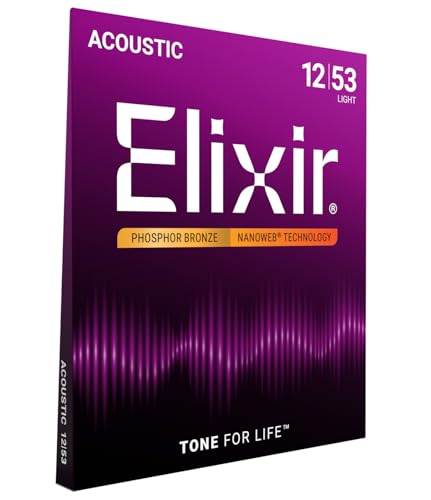
Elixir NANOWEB strings are noted for long-lasting tone and smooth feel due to protective coating. The phosphor bronze wrap and NANOWEB coating help resist sweat, humidity, and rust, keeping a bright, balanced acoustic tone. Best for players who value longevity and minimal tone change between re-strings; limit if you dislike coated strings on a bright projected voice or prefer a more traditional feel.
Buying Guide: Key Purchase Considerations
What type of guitar do you play? Electric players typically prefer nickel-wound sets for bright attack and stability, while acoustic players lean toward phosphor bronze for warm projection. Gauge choice matters: 12-54 falls in a medium-to-heavy range that balances tension and feel, suitable for versatile styles and downtuned play.
What tone do you want? Strings with stronger mid-range and higher presence help cut through in band contexts, while more balanced or coated options favor longevity and consistent tone over time.
Durability and tuning stability: Evaluate core construction (Hex-Core or standard core), wrap wire, and any coating. These factors influence intonation reliability and how often you replace strings in busy practice or performance schedules.
Playing style and genre: Rock players may prefer brighter, higher-output sets; blues and jazz players might favor smoother feel and balanced tension. For players who detune or use drop tunings, select gauges and constructions that preserve tension in the low strings.
FAQ
- What does 12-54 gauge mean? It describes the string thickness from the high E to the low E/B string, indicating tension and feel across the set.
- Which string set lasts longest? Coated or NANOWEB-coated sets typically maintain tone and resist corrosion longer than uncoated strings.
- Are 12-54 strings suitable for acoustic guitars? They are commonly used on electric sets; acoustic sets in similar gauges exist (e.g., 12-54 for phosphor bronze are often used in heavier acoustic configurations), but verify the string type for your guitar.
- Should I choose lighter or heavier gauge within 12-54? Lighter gauges offer easier playability; heavier gauges provide more tension and volume. Your playing style and setup determine the best choice.
- Is HEX-Core construction better? HEX-Core designs aim for stable intonation and consistent feel across the fretboard, beneficial for players who need reliable performance.
- Do detuned players need 12-56 gauges? A 12-56 set can provide added tension in the low strings, which helps maintain string stability in detuned tunings.