
Best 12-56 Gauge Guitar Strings for Versatile Tones
If you play electric or acoustic-electric guitars and want balanced tension across strings in the popular 12-56 gauge, these sets deliver versatile performance for detuned riffing, lead runs, and solid rhythm. This guide highlights five top 12-56 options, clarifying who each is best for and why it stands out. Ideal buyers include players seeking durability, strong harmonic response, heavy feel for drop tunings, or bright attack across a broad frequency range.
| Product | Brand | Best For |
|---|---|---|
| Ernie Ball Not Even Slinky 12-56 | Ernie Ball | Detuned riffs, players seeking consistent feel |
| Ernie Ball Not Even Slinky 3-pack 12-56 | Ernie Ball | Value pack, practice sessions, multi-set needs |
| Ernie Ball Magnum Slinky 12-56 | Ernie Ball | Heavier feel, drop tunings, chugging chords |
| Ernie Ball Not Even Slinky Cobalt 12-56 | Ernie Ball | Dynamic range, brighter highs, stronger magnetic pickup response |
| Ernie Ball Not Even Slinky Coated Titanium 12-56 | Ernie Ball | Coated durability, corrosion resistance, long life |
Ernie Ball Not Even Slinky 12-56 Gauge

Best for detuning-friendly setups, these nickel-wound strings are the classic Slinky feel with a shrink-wrapped freshness from Element Shield packaging. The 12-56 gauge delivers a balanced tension that suits players who detune often or drop tunings, maintaining string stability and tone across the set. Notable players include Slash and Jimmy Page, reinforcing the brand’s credibility for versatile rock textures.
players seeking a reliable, detuning-friendly baseline with a traditional Slinky feel and strong low-end punch. Why chosen: optimal detuning performance and long-lasting freshness from packaging.
Caution: Some players prefer a lighter gauge for extended neck life in very aggressive staging; this set prioritizes heavier tension for detuned work.
Ernie Ball Not Even Slinky 3-pack 12-56

This 3-pack option suits players who want bundled sets for quick replacements or multiple guitar setups. The Not Even Slinky line retains the detuning-friendly 12-56 configuration and includes the endorsement of legendary players.
players who rotate instruments or keep several guitars ready for detuned riffing. Why chosen: value-packed convenience without compromising core tone and tension.
Limitation: The value pack focuses on multiple sets rather than a single long-life stringing session; replacements may be needed sooner if playing aggressively in detuned projects.
Ernie Ball Magnum Slinky 12-56

Magnum Slinky balances heavier tension with a wound G, offering a sturdy, robust feel. This set is especially good for players who prefer a heavier gauge for drop tunings and riff-oriented playing. The heavier tension can improve stability during aggressive picking and sustain in chugging sections.
players who want stronger tension and a heavy feel for drop tunings. Why chosen: optimized tension for heavy riffs and clean chugs.
Caution: The heavier tension may be less forgiving for beginners or players with lighter picking dynamics; it’s best for players who want more control at high gain and downtuned settings.
Ernie Ball Not Even Slinky Cobalt 12-56

Cobalt strings offer a stronger magnetic relationship with pickups, producing an extended dynamic range, harmony-rich highs, and a robust low end. This choice suits players who seek brighter attack and clearer highs without sacrificing low-end authority.
players wanting enhanced dynamic range and brighter, articulate highs. Why chosen: cobalt alloy improves pickup response and harmonic clarity.
Limitation: Cobalt sets can be slightly more expensive and some players may prefer traditional nickel if they’re chasing classic Slinky tone.
Ernie Ball Not Even Slinky Coated Titanium 12-56

Coated Titanium strings introduce corrosion resistance and longer life, with enamel-coated wound strings and rust-resistant plain strings. Titanium reinforcement on the ball-end adds stiffness for stability in more aggressive playing contexts.
players who need longer string life and resistance to sweat and oils in performance or practice. Why chosen: enhanced durability and reduced corrosion.
Limitation: Coated sets can sometimes feel slightly less bright or glossier to players who prefer the traditional uncoated feel.
Ernie Ball Earthwood Custom Medium Phosphor Bronze 12.5-56
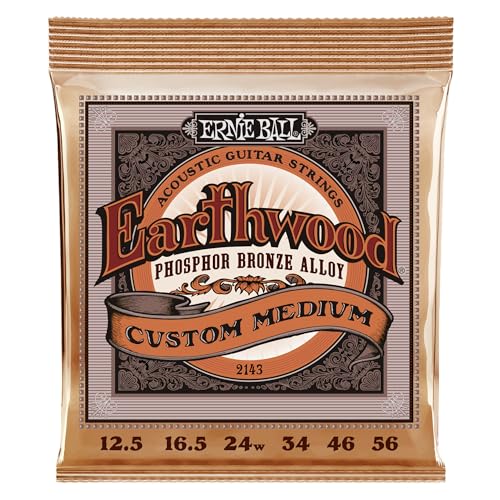
This acoustic set sits between Medium and Medium Light with a 12.5-56 gauge to deliver a balanced, full-bodied tone across lows, mids, and highs. The half-gauge design helps players dial in a comfortable tension without sacrificing projection.
players seeking a versatile acoustic setup with a strong, balanced voice. Why chosen: precise gauge mid-point for durable play and dynamic response.
Ernie Ball Earthwood Custom Medium 80/20 Bronze 12.5-56
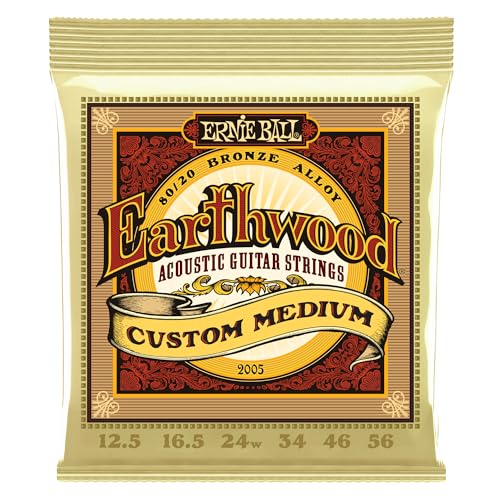
This set provides vibrant, balanced projection and clarity across a bright 12-56 gauge. The half-gauge concept supports a comfortable playing experience while maintaining tone integrity for both strumming and intricate fingerpicking.
players who want a bright yet balanced acoustic voice with durable construction. Why chosen: strong projection and reliable durability for stage and studio use.
Buying Guide: 12-56 Gauge Strings For Your Setup
What should you consider when choosing 12-56 gauge sets? Evaluate tone goals, playing style, and guitar setup. Nickel rounds provide a classic feel and balanced tone, while cobalt and titanium coatings improve durability or brightness. Heavier tensions support detuned riffs and drop tunings, but require stronger picking and can reduce fret-end comfort for beginners.
What’s the difference between nickel, cobalt, and coated sets?
Nickel is the standard for most players, delivering familiar feel and balanced tone. Cobalt increases magnetic response for brighter highs and more dynamic range, especially on single-coil and humbucker-equipped guitars. Coatings like enamel or titanium reinforcement extend string life, reduce corrosion, and can alter the feel slightly, often smoothing the surface for longer play time.
Should you choose 12-56 for detuned tuning?
Yes, the 12-56 gauge tends to hold tension better in drop tunings or detuned setups, improving stability, sustain, and tone focus. Heavier gauges reduce flabbiness in low strings and help maintain note clarity under heavier picking.
How important is coating for longevity?
Coatings significantly extend life in sweaty or acidic playing conditions. If you perform often, coat-treated sets reduce corrosion and maintain tone longer. However, coatings can slightly alter brightness and feel versus uncoated nickel sets.
What about acoustic strings in the same gauge family?
Acoustic 12.5-56 sets provide a different tension profile and tonal character suitable for steel-string guitars. They’re designed to balance warm lows with clear highs, but they do not replace standard electric 12-56 sets in feel or response.
How to pick the right gauge for beginners?
Beginners often prefer lighter gauges for easier fretting and less finger fatigue. If detuning is a goal, starting with a balanced 12-56 set can still be manageable, but expect a learning curve with heavier strings on a new guitar neck.
Frequently Asked Questions
- Which 12-56 set is best for drop tunings?
Ernie Ball Magnum Slinky 12-56 is well-suited for drop tunings due to its heavier tension and the wound G, offering stability in low tunings.
- Are cobalt strings worth the extra cost?
Cobalt strings provide stronger magnetic interaction and a broader dynamic range, which benefits players seeking brighter highs and more articulation.
- Do coated strings feel different?
Coated strings tend to last longer and resist corrosion, but some players notice a slightly different feel or brightness compared to uncoated sets.
- Can I mix 12-56 sets on two guitars?
Yes, using equal gauges on two guitars can simplify setup and ensure consistent tension, but always verify neck relief and intonation after changing gauges.
- Which brand dominates the 12-56 market?
Ernie Ball offers a wide range of 12-56 sets with varying materials and coatings, including Not Even Slinky, Cobalt, Titanium, and Magnum variants, catering to different playing needs.