
Best 12 String Electric Guitar Neck Options for DIY Builders and Upgrades
Answering the common buyer question: these 12-string guitar necks and kits are best for DIY enthusiasts, luthiers, and players upgrading or replacing an existing neck. The top picks here emphasize stability, scale length, fingerboard quality, and build versatility. This guide highlights five neck-focused options, with notes on who they’re best for and potential limitations. The included quick-reference table helps compare core specs at a glance.
| Product | Best For | Scale / Fret | Notes |
|---|---|---|---|
| 12 string Guitar Neck Maple 22Fret 25.5inch | DIY builders seeking maple neck | 25.5″ / 22 frets | Unfinished maple neck, rosewood fretboard |
| BexGears DIY 12 String Kit | Complete kit builders | Standard 25.5″ scale (kit) | All parts included; right-handed only |
| Wide 12 String Neck 24.75″ | Replacement necks with wide specs | 24.75″ / 22 frets | Paddle head design |
| Fistrock Double Neck DIY Kit | Dual-neck projects | 12 & 6 string options | Mahogany body; unfinished, versatile |
| 12 String Paddle Head Neck 24.75″ | DIY builders with custom headstock | 24.75″ / 24 frets | Paddle head, maple neck, rosewood fingerboard |
12 String Guitar Neck Maple — 25.5″ Scale
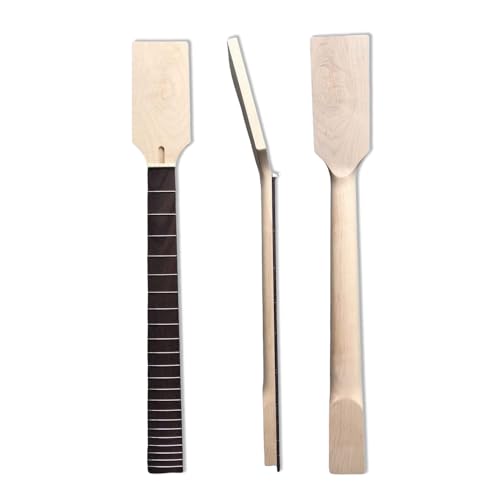
Best for: DIY builders who want a maple neck with a rosewood fretboard. This neck is unfinished, allowing full customization of finish and nut slots. The 25.5″ scale length is standard for many 12-string configurations, and 22 frets provide access across the fretboard. Note that it is a straight neck option without inlays, so a builder may want to add position markers during setup.
BexGears 12 String Kit — Mahogany Body
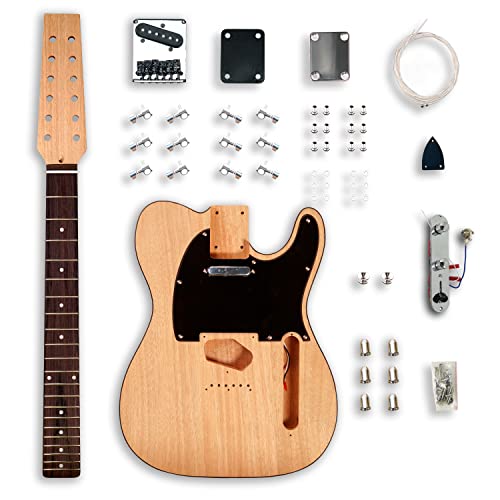
Best for: Builders who want a complete 12-string package with a mahogany body and maple neck. This kit provides pre-drilled holes and all parts needed to assemble a playable guitar, making it suitable for beginners and intermediate builders alike. Limitation: right-handed versions only, which may not suit left-handed players unless modified.
Wide 12 String Neck — 24.75″

Best for: Players seeking a wider neck profile with a rosewood fretboard and a beveled edge for smoother playability. The 24.75″ length sits in between standard long-scale designs and shorter options, offering brighter tone and sustain. Limitation: neck is unfinished and may require setup and finishing by the builder.
Fistrock Double Neck Kit — 6 & 12 String

Best for: Enthusiasts planning a dual-neck build, combining a 12-string neck with a 6-string neck in one instrument. The kit includes mahogany body, rosewood fingerboard, humbucker pickups, and hardware, making it a comprehensive project. Limitation: requires substantial building, finishing, and wiring work; not ideal for first-timers.
12 String Paddle Head Neck — 24.75″

Best for: DIY builders who want a paddle-style headstock and full control over headstock design. The neck features a maple shaft with a rosewood fingerboard, 24 frets, and a 24.75″ scale. Limitation: requires a custom headstock routing and drilling for tuning pegs, which adds to the build complexity.
Leo Jaymz Neck — 12″ to 16″ Radius

Note: This item is included for reference as a comparator to a 12-string neck choice, featuring a compound radius and Canadian hard maple neck. Consider this when evaluating options for comfort in open chords versus fast leads. Best for: players seeking a versatile radius option on a maple neck; avoid if you only need a pure 12-string neck with a fixed radius.
Buying Guide
What to prioritize when buying a 12-string neck
- Scale length: Commonly 24.75″ or 25.5″. Longer scales deliver brighter tone and more tension; shorter scales ease string tension.
- Wood type: Maple necks are stable and bright; rosewood fingerboards add smooth feel and warmth. Unfinished necks require finish and setup.
- Fret count and finish: 22 frets are typical for 12-string necks; beveled edges and rolled fret ends improve playability.
- Headstock design: Paddle-head designs offer customization but demand extra routing and peg placement work.
- Kit versus bare neck: Kits simplify assembly and wiring but may limit customization. Bare necks maximize customization but require more skills.
For DIY builders: Which choice fits your project?
- Full-kit options (like BexGears) suit beginners seeking a complete build with minimal sourcing work.
- Bare necks (maple with rosewood fretboard) are best for builders who want a custom finish and precise setup.
- Double-neck kits are for advanced builders aiming for unique instruments with multiple tunings.
Considerations for compatibility and setup
- Bolt-on versus set neck: Most replacement necks are bolt-on; confirm compatibility with your body and bridge.
- Nut width and heel size: Ensure nut slot width and neck heel fit your guitar body to avoid misalignment.
- Finish and maintenance: Unfinished necks require appropriate sealing and protection to prevent warping.
Maintenance tips
- Seasonal humidity can affect neck stability; store guitars in stable climate.
- Regular truss-rod adjustments help maintain optimal relief and intonation on longer 12-string necks.
- Cleaning fretboard and applying conditioner on rosewood surfaces helps preserve playability.
FAQ
- What is the typical scale length for a 12-string neck?
Most are 24.75″ to 25.5″; choose based on tension and tone preference. - Are unfinished necks ready to play after finishing?
Unfinished necks require sealing, fretwork, nut installation, and setup before playability. - Is a double-neck kit appropriate for beginners?
No. Double-neck builds require more advanced skills in routing, wiring, and setup. - Do these necks fit all 12-string body shapes?
Compatibility depends on heel size, bridge mounting, and screw hole pattern; verify with your body. - Should I choose a paddle head or standard headstock?
Paddle heads offer customization potential but require extra routing; choose based on desired look and build plan. - Can I install these necks on existing bodies?
Yes, if the body accepts bolt-on necks and the neck heel and mounting pattern align with the body.