Best 12V CB Radio Power Supply Options for Stable 13.8V Operation
When powering a 12V CB radio, you want a reliable DC supply that delivers steady voltage and adequate current. The top picks below cover benchtop power supplies, vehicle cords, and fixed-output modules. They are best for hobbyists, field operators, truckers, and emergency responders who need consistent performance without unnecessary complexity. Each option is chosen for predictable 13.8V or near-12V output, simple connections, and clear safety features. A quick buyer’s table is provided to compare core specs at a glance.
| Product | Type | Output | Best For |
|---|---|---|---|
| Pyramid PSU990KX | Benchtop PSU | 13.8V DC, 7A | Home lab, CB/radio testing |
| Jesverty SPS-1330 | Benchtop PSU | 13.8V DC, 30A | Higher-current rigs, HAM |
| Pyramid PS7KX | Benchtop PSU | 12V DC, 5A | Mobile and field work |
| SKY TOPPOWER STP1330 | AC-to-DC Supply | 13.8V DC, 30A | Long sessions, multiple devices |
| RoadPro RPPS-220 | CB Power Cord | 12V Cigarette Lighter | Vehicle use, quick setup |
The selections emphasize clear outputs, straightforward wiring, and practical safety features. Review each product’s notes to determine which fits your setup—benchtop testing, mobile operation, or in-vehicle use.
Pyramid Universal Compact Bench Power Supply PSU990KX

Type: Benchtop, linear/regulated design. Output: 13.8V DC, up to 7A (4.5A continuous). Connections include universal banana plugs and dual USB ports. This makes it suitable for CB radios, scanners, and HAM gear during bench tests or on a workbench. Best for hobbyists who need a compact, reliable DC source with easy plug-in operation.
Best for: Home labs and testing CB equipment that requires stable 13.8V during operation. Choose this if you want USB charging alongside DC output. Limitation: Continuous current is lower than higher-output models, so use it for moderate-power radios.
Jesverty Universal Bench Power Supply SPS-1330

Type: Benchtop, 13.8V fixed output. Output: 13.8V DC, up to 30A. Features screw-type terminals for secure connections, compact dimensions, and a cooling fan. Best for: More demanding CB/HAM setups or lab work where steady high-current supply is needed.
Best for: Operators needing robust current capability and a stable 13.8V, especially when multiple devices share a single supply. Limitation: Fixed 13.8V means less flexibility for voltages below or above 13.8V.
Pyramid PS7KX Universal Bench Power Supply

Type: Benchtop, linear/regulated. Output: 12V DC, 5A. Features screw-type terminals and plug-in operation. Best for: In-vehicle testing or compact bench setups requiring a reliable 12V source for CB radios and peripheral equipment.
Best for: Simple, dependable 12V supply in tight spaces. Limitation: Lower current capacity than some 13.8V models, so it’s best for lighter-duty rigs.
SKY TOPPOWER 13.8V 30A Power Supply STP1330

Type: AC-to-DC converter with cooling fan. Output: 13.8V DC, up to 30A, with a front 10A cigarette-style socket. Features noise control and protective fusing. Best for: HAM radios or CB setups needing substantial current with modular power options.
Caution: Noise control and fan operation are important for sensitive equipment; ensure adequate cooling during long operation.
RoadPro RPPS-220 12V CB Power Cord
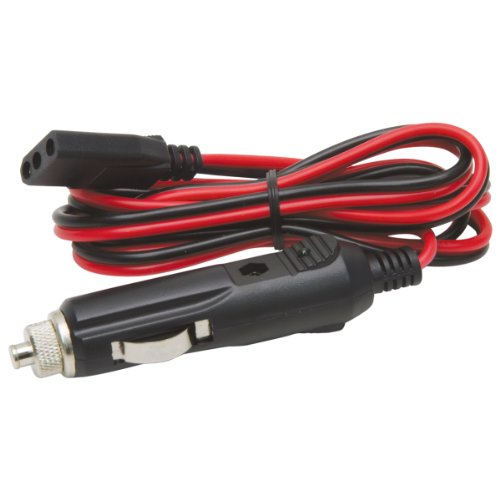
Type: Vehicle power cord. Output: 12V cigarette lighter plug, 3-pin, 16-gauge copper wire. Built-in 15A fuse and green LED indicator. Best for: In-vehicle CB radios or on-the-road setups that require quick power via the cigarette lighter. Limitation: Not a standalone power supply; needs a vehicle outlet.
Ullnosoo CB Radio Power Cord Set
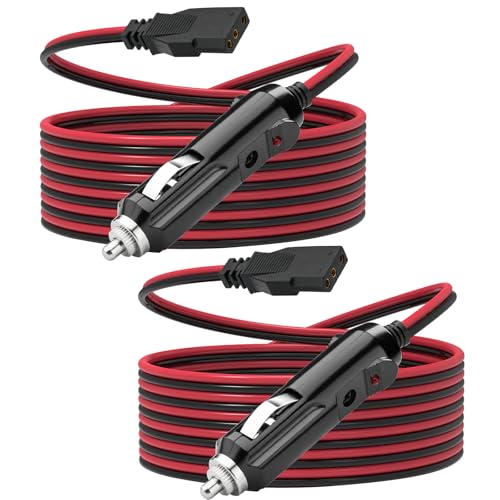
Type: Vehicle cord set, 12V lighter plug with 3-pin compatibility. Output: 12V via cigarette lighter with a 16AWG copper conductor and 15A fuse. Best for: Quick, vehicle-mounted power for Cobra, Galaxy, Midland, and similar radios. Caution: Cables are designed for up to 40W radios; higher wattage may require a higher-capacity supply.
Buying Guide: Key Factors To Consider
What output voltage do you need? Most CB radios operate around 12V to 13.8V. If you run high-current equipment or multiple devices, lean toward higher current capacities (20–30A) and a dedicated 13.8V rail when possible.
Benchtop versus in-vehicle: Choose benchtop units for testing, calibration, or static setups. For in-vehicle use, a robust power cord with fuse protection and a clear power indicator is essential to prevent electrical issues while driving.
Voltage stability and regulation: Linear regulators provide clean, steady voltage but can be less efficient; switching or hybrid designs offer better efficiency but may introduce noise. Noise control features may be important for sensitive receive performance.
Safety features: Look for fuses, overload protection, and short-circuit safeguards. A visible indicator and proper insulation reduce risk during installation and operation.
Wiring compatibility: Screw-terminals are common for lab setups; banana plug terminals are convenient for quick tests. Ensure the connectors match your CB radio and accessories.
FAQ
- What voltage should a CB radio power supply output? Most CB radios are designed to run on 12V to 13.8V DC. Choose a supply that can consistently deliver 13.8V or a closely regulated 12V output.
- Is higher current always better? Higher current capacity supports more devices or higher-wattage radios, but choose a supply with proper regulation to prevent voltage dips during peak transmission.
- Can I use a general bench supply for in-vehicle use? A bench supply can power a radio on a desk, but for vehicle use you should use a cigarette-lighter powered cord or a vehicle-rated supply with appropriate fusing.
- Do these supplies require external batteries? Most listed units provide plug-in DC output and do not require external batteries for steady operation, though some setups may use backup power for extended field use.
- What should I check before buying? Verify output voltage stability, current rating, connector type, safety features, and whether the unit fits your space or vehicle power system.