
Best 12V to Outlet Converters for Cars and Home
When you need portable power from a 12V source, these 12V to outlet converters offer practical, compact solutions for on-the-go charging and operation. They’re best for travelers, outdoor enthusiasts, and anyone who wants to run small electronics from a car, RV, or wall outlet converted to a 12V supply. The top five picks below balance efficiency, safety, and versatility. Use this guide to choose the right unit for your devices and situations.
Summary of selected products:
- ALITOVE AC to DC Converter: 12V output, 10A, 120W, car-to-wall versatility.
- BESTEK Power Inverter: 12-17V input, 110V AC outlets, 300W continuous power.
- NALAKUVARA AC to DC Converter: 12V output, 60W, long reach with 8.8ft cord.
- PiSFAU 150W Car Power Inverter: 12V DC to 110V AC, 150W continuous, dual USB.
- PiSFAU 200W Car Power Inverter: 12V to 110V AC, multiple outlets, compact.
ALITOVE 12V Power Supply With Wall Plug
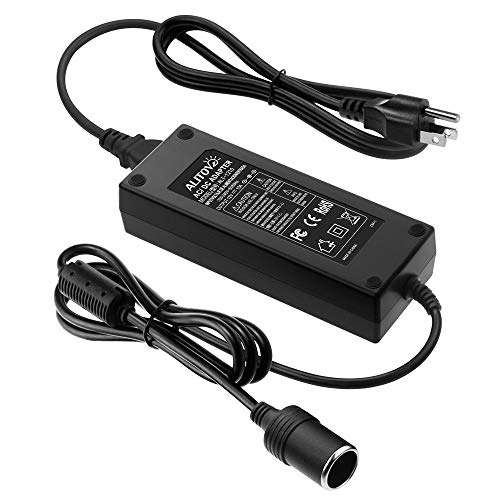
Best for: Vehicles or spaces that require a reliable 12V DC supply from a standard AC outlet. This unit is ideal for powering car refrigerators, dash cams, or small 12V appliances when you have access to a wall outlet. It’s well suited for users who need a straightforward, high-compatibility adapter with built-in safety protections.
Why chosen: It delivers a solid 12V DC at up to 10A (120W max) and includes multiple safety protections like overload, over voltage, over temperature, and short-circuit cut-offs. The 8-foot cord improves reach, making it suitable for vehicles and garages alike.
Caution: Do not power devices exceeding 120W for extended periods, as that can shorten the unit’s lifespan. Not every 12V device under 120W will operate efficiently if continuous high current draws occur.
BESTEK 12-17V To 110V AC 300W Inverter
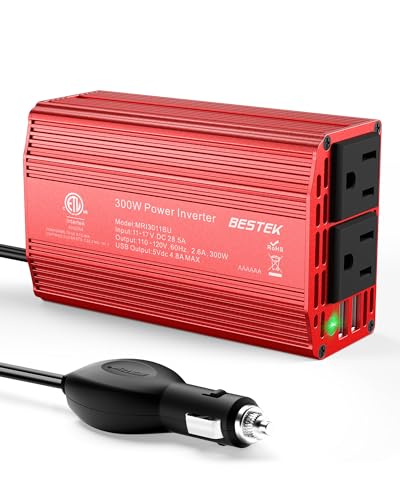
Best for: Road trips, camping, or work trips where higher power is needed. Suitable for laptops, tablets, and other devices that require a full-size AC outlet in a vehicle.
Why chosen: This inverter supports 300W continuous power and 700W peak, with two AC outlets and two USB ports. It’s compact for frequent travelers and manufacturers rely on it as a dependable mid-range option for car-based electricity needs.
Limitation: Higher power units can draw more from the vehicle battery; use with vehicles that can sustain higher loads and avoid running high-wattage appliances for long periods.
NALAKUVARA AC To DC 12V Car Converter
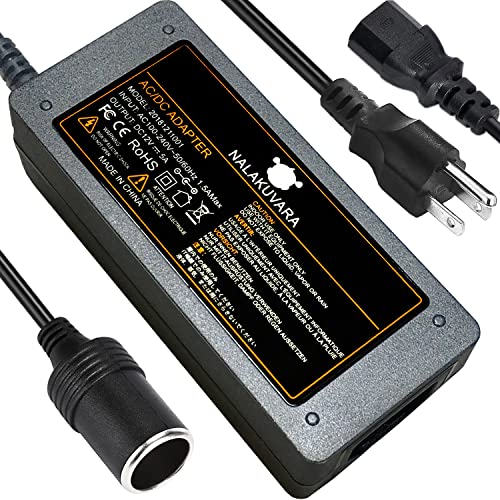
Best for: Users needing a wall-to-12V solution with a longer reach and straightforward safety features for smaller loads under 60W.
Why chosen: It converts 110V-240V AC to 12V DC with an 8.8-foot cord, broad compatibility, and built-in safeguards against overload, over-voltage, and short circuits. It’s a practical choice for powering 12V devices from standard outlets in homes or offices.
Limitation: Suitable for devices below 60W; higher wattage devices may require a more capable converter or inverter option.
PiSFAU 150W Car Power Inverter

Best for: Occasional use with smaller electronics that require 110V AC but do not exceed 150W. Great for light-powered devices on the move.
Why chosen: It provides 150W continuous power plus a pair of USB outlets, making it versatile for devices like lights, tablets, and small kitchen gadgets. The built-in smart chip and fuse help protect both the inverter and connected devices.
Caution: The 150W rating means larger devices (like most laptops) may be borderline; verify device wattage before use to avoid overloading.
PiSFAU 200W Car Power Inverter

Best for: Users who need higher power for multiple devices or power-hungry electronics during road trips or off-grid travel, while staying compact.
Why chosen: It features two U.S. standard outlets and four USB ports, delivering robust compatibility for laptops, tablets, phones, and more. The design emphasizes quiet operation and efficient heat management for extended use.
Limitation: Will draw more from the vehicle battery and may require ventilation to prevent overheating with high-load devices.
Buying Guide
What to consider when choosing a 12V to outlet converter
- Power rating: Match the device wattage. Choose a unit with a comfortable margin above your expected load to avoid tripping protections or overheating.
- Input and output types: Decide between DC output (12V) or AC outlets (110V/120V). For laptops and larger devices, an inverter with AC outlets is often necessary.
- Safety protections: Look for overload, over-voltage, over-temperature, and short-circuit protections. Built-in fuses or smart protections help extend device life.
- Cord length and reach: Longer cords increase placement flexibility in cars, vans, or rooms with accessible outlets.
- Port variety: USB ports are convenient for charging phones and tablets, while multiple AC outlets support larger appliances.
- Efficiency and heat: High-widelity inverters reduce energy waste; ensure adequate ventilation to prevent overheating.
- Portability and form factor: Smaller, lighter units are easier to carry on trips, while higher-power units are generally bulkier but more capable.
Frequently asked questions
- What is a 12V to outlet converter best used for? – It’s best for powering small devices from a 12V source or converting AC to DC for car or portable electronics in travel scenarios.
- Can I run a laptop from these converters? – Some models with AC outlets or higher wattage ratings support laptops. Check device wattage and inverter rating before use.
- Is it safe to use in a car overnight? – With proper protections and devices within the rated wattage, these units can be safe for short to moderate use. Always monitor for overheating.
- Do all units support 110V AC? – No. Some units provide DC 12V output only, while others offer dual AC outlets for 110V/120V devices.
- How long can I run high-wattage devices? – Prolonged use near or at the maximum rating can shorten the converter’s life. Prefer devices with a comfortable safety margin.
- What should I avoid when using these converters? – Avoid powering devices exceeding the stated wattage, and never operate without proper ventilation or in damp environments.