
Overview: This guide reviews compact speakers and small 2–2.5 inch drivers alongside popular 6.5″ car and outdoor speakers that are commonly compared when choosing compact replacements or project drivers. Below is a quick comparison table of the selected products to help you scan key specs.
| Product | Size | Impedance | Power (RMS/Peak) | Frequency |
|---|---|---|---|---|
| EX ELECTRONIX EXPRESS 2 Inch 0.5W | 2″ | 8Ω | 0.5W | — |
| Alpine SXE-1726S 6.5″ 2-Way Coaxial | 6.5″ | 4Ω | 40W / 220W | 60Hz–20kHz |
| JVC CS-J620 6.5″ 2-Way | 6.5″ | 4Ω | 30W / 300W | 35Hz–22kHz |
| KENWOOD KFC-1666S 6.5″ 2-Way | 6.5″ | — | — | — |
| Pyle Indoor/Outdoor 5.25″ 500W | 5.25″ | 8Ω | 250W RMS / 500W Peak | — |
EX ELECTRONIX EXPRESS 2 Inch 0.5 Watt Round Speaker
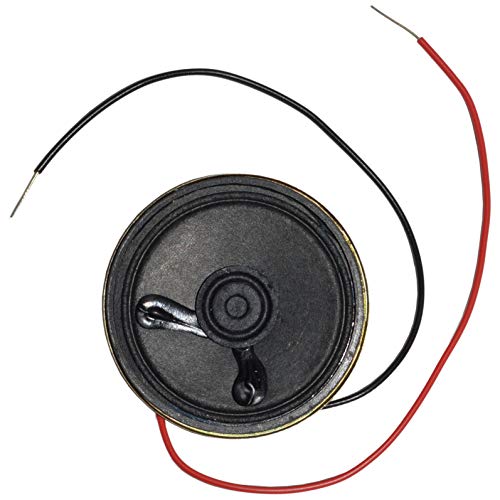
This 2-inch round speaker is a compact driver designed for small enclosures, intercoms, toys, and electronics projects. It lists 8 ohm impedance and 0.5 watt power handling, making it suitable for low-power applications or as a tweeter/auxiliary full-range unit in small DIY builds. Its small size enables installation in limited spaces where larger drivers will not fit.
Alpine SXE-1726S 6 1/2″ 2 Way Coaxial Speakers (Pair)

Alpine’s SXE-1726S is a common OEM-style 6.5″ 2-way coaxial replacement. Key specs include 40W RMS, 220W peak, 4 ohm nominal impedance, and a frequency response of 60Hz–20kHz. The speaker aims to provide a balance of mid-bass and treble for standard car audio upgrades and fits many factory locations.
JVC CS-J620 300W 6.5″ 2-Way Coaxial Car Speakers
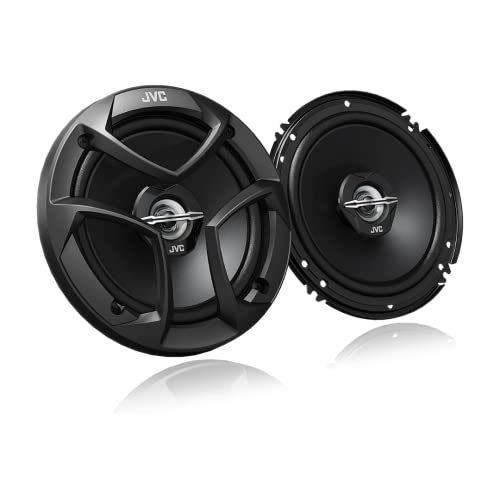
The JVC CS-J620 features a 6.5″ mica cone woofer and 1″ PEI tweeter. It lists 30W RMS and 300W peak with a 4Ω impedance. Its frequency range is listed at 35Hz–22kHz with high sensitivity (92 dB), indicating potential for louder output with modest power. The construction emphasizes durability and a focus on clarity across highs and mids.
Alpine SXE-1751S Component System 6 1/2″ 2-Way
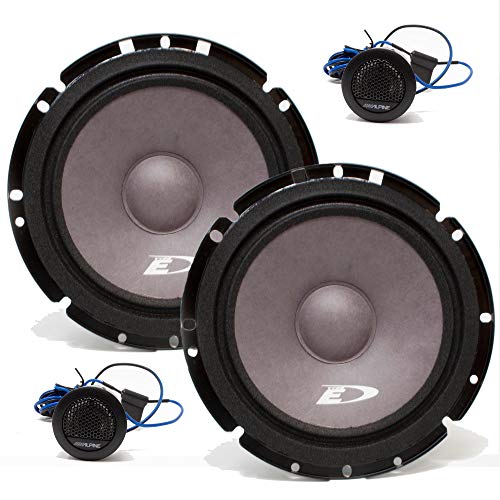
The Alpine SXE-1751S component set is a 6.5″ 2-way component system with 45W RMS and 280W peak ratings and a 60Hz–20kHz frequency response. Component systems separate the woofer and tweeter for improved imaging and easier crossover placement in custom installs. Its slightly higher RMS rating than some coaxials suggests better continuous power handling for sustained listening.
KENWOOD KFC-1666S Car Stereo Speaker 6-1/2″ 2-Way

The Kenwood KFC-1666S is a polypropylene-woofer 6.5″ 2-way speaker with a treated-cloth surround and a 1″ PEI balanced dome tweeter. Design highlights include durable woofer material and included grilles for protection. The construction targets reliable bass response and clear highs for OEM upgrade scenarios and straightforward installation.
PyleUsa Indoor Outdoor Speakers Pair – 5.25″ 2-Way

Pyle’s 5.25″ indoor/outdoor speakers are built for wet environments and list 250W RMS at 8Ω with 500W peak capability. The system includes an aluminum injection cone, midrange, and a 1/2″ polymer tweeter, with quick-connect terminals and a capacitor crossover. They target patio, marine, and exterior installations rather than confined car cabins.
Buying Guide: Choosing The Right Small Or Compact Speaker
When selecting a 2–2.5 inch driver or small replacement speaker vs. larger 5–6.5″ options, consider these core factors:
- Intended Use: Small 2″ drivers suit electronics, alarms, or supplementing systems. For car audio or home/outdoor listening, 5–6.5″ drivers provide fuller bass and better power handling.
- Power Handling (RMS vs Peak): RMS indicates continuous power the speaker can take. Peak is short bursts. Match RMS to your amplifier continuous power for reliability.
- Impedance: Common car speakers are 4Ω; indoor/outdoor models often 8Ω. Ensure amp compatibility and wiring when combining speakers.
- Frequency Response: Lower Hz numbers mean deeper bass potential. Small 2″ drivers rarely go deep; 6.5″ drivers commonly reach lower frequencies for usable bass.
- Sensitivity: Higher sensitivity (dB) yields louder output for a given amplifier power. Useful if driving speakers from low-power sources.
- Environment & Durability: For marine/patio use select waterproof-rated cones and sealed terminals. For car installs, check mounting depth and grille protection.
- Installation Constraints: Measure mounting depth, cutout diameter, and bezel clearance. Component systems allow flexible tweeter placement; coaxials simplify swap-in replacements.
- Crossover And System Design: Integrated crossovers or component crossovers affect clarity and imaging. For multi-speaker systems consider proper crossover points to reduce overlap and distortion.
- Use Case Comparison:
- DIY electronics/intercoms: choose small low-power 2″ drivers.
- Car door/door-speaker replacements: 6.5″ coaxials or components are standard.
- Outdoor/patio audio: choose weatherproof 5–6″ or specialist outdoor models with higher RMS and sealed terminals.
How To Compare Speakers Side-By-Side
- List RMS power, impedance and sensitivity first to match to your amplifier.
- Compare frequency response to evaluate bass and treble coverage.
- Check physical dimensions and mounting requirements.
- Consider build materials (polypropylene, mica, aluminum cones) for longevity and tonal character.
- For multi-speaker setups, verify crossover type and wiring terminals for ease of installation.