
Best XLR Y Splitter Cables for 2 to 1 Channel Outputs
Answering the common need to feed two XLR outputs into a single XLR input, this guide highlights the best 2x XLR to 1x XLR splitters for vocals, live sound, and studio setups. The featured picks are ideal for podcasters, musicians, and audio engineers seeking clean signal sharing without hum or interference. Below is a quick buying guide and a summary table of the top options before deep-dives into each product.
| Product | Best For |
|---|---|
| BEZOKABEL XLR Splitter | Balanced mic feeds, studio recording |
| Tisino XLR Splitter Cable | Stage and live performances |
| J&D XLR Splitter Cable | Studio to mixer integration |
| Seefeful 2Pack XLR Y Splitter | Budget-friendly dual-mic setups |
| Cable Matters XLR Splitter Cable | Versatile inputs to two outputs |
BEZOKABEL XLR Splitter Cable

Best for studio-grade vocal and instrument mics in a controlled environment. This Y-splitter uses 24 AWG Oxygen Free Copper with double shielding and polyethylene insulation to improve high-frequency response and minimize interference. The silver-plated XLR connectors provide a secure, durable connection with low signal loss. Caution: suited for balanced mic signals; avoid combining two mono signals into stereo without proper summing.
Why this pick
- Balanced design with reduced noise and hum
- Sturdy metal connectors and strain relief
- Good for two mics feeding a single mixer input or recorder
Best for: Home or project studios needing clean, quiet splits without extra adapters. Limitations: Not intended for stereo signal creation from two mono sources.
Tisino XLR Splitter Cable

Best for stage and live performances where two outputs need to feed a single input. It uses 20 AWG 4N Oxygen Free Copper with shielding to maintain fidelity and reduce interference. The balanced connection (pin-to-pin) helps preserve signal integrity. Caution: while ideal for live splits, it does not convert two signals into a true stereo mix.
Why this pick
- Designed for live sound setups
- Solid copper shielding for better signal clarity
- Balanced XLR wiring minimizes RF and EM noise
Best for: Musicians and DJs performing live who need two outputs routed to one input. Limitations: Not a stereo merger tool.
J&D XLR Splitter Cable

Best for studio or broadcast environments requiring reliable two-to-one mic signal routing. This gold-plated 24K connector minimizes contact resistance and helps protect against signal loss. It’s a balanced cable designed to reduce EM and RF noise. Caution: it will not mix two mono sources into one stereo track without a proper mixer or summing device.
Why this pick
- Gold-plated connectors for corrosion resistance
- Heavy-duty construction suits frequent use
- Balanced path reduces external interference
Best for: Studios or control rooms where robust, noise-free performance is required. Limitations: Not meant to create stereo from two mono channels.
Seefeful 2Pack XLR Y Splitter

Best for small budget-friendly setups requiring dual outputs to a single input. The cable uses a combination of braided oxygen-free copper shielding and aluminum shielding to reduce RF interference and deliver clear audio. Caution: the 11.8-inch length makes it matter how you route cables to avoid excess strain on connectors.
Why this pick
- Two-pack value for multi-mic setups
- Gold-plated connectors for reliability
- Flexible construction suitable for stage or studio
Best for: Beginners or budget-conscious configurations where two mics share one channel. Limitations: Short length requires careful placement to prevent tension on connectors.
Cable Matters XLR Splitter Cable
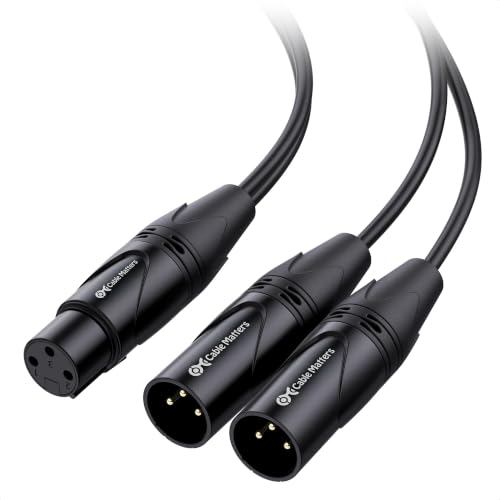
Best for flexible routing of a single XLR output to two inputs on mixers or amps. The Y-splitter design supports bi-directional uses, allowing scenarios like splitting a mic signal to two destinations or merging two feeds into a single channel for recording. Caution: ensure impedance compatibility with your downstream gear.
Why this pick
- Soft PVC jacket and durable build
- Versatile uses across mixers and preamps
- Balanced cable design for cleaner signal
Best for: Home studios or small venues needing a straightforward, reliable two-to-one mic split. Limitations: Not a stereo signal creator; treat as a passive splitter.
Buying Guide
What to consider when choosing a 2x XLR to 1x XLR splitter
- Signal integrity: Look for balanced XLR wiring, shielding (oxygen-free copper), and silver- or gold-plated connectors to minimize noise and signal loss.
- Connector quality: Gold-plated or silver-plated connectors resist corrosion and maintain a clean connection over time.
- Construction and durability: Metal connectors, strain relief boots, and robust jackets enhance longevity in live settings.
- Length and routing: Short cables reduce sag and interference; choose lengths that fit your setup without placing stress on ports.
- Intended use: Studio, live sound, or broadcast may have different requirements for impedance, shielding, and signal routing.
- Limitations: These cables are for splitting a single XLR output into two inputs. They do not create true stereo from two mono sources.
Which one should you buy based on scenarios?
- Best for studio vocal work or two-mic feeds into one interface: BEZOKABEL or Cable Matters.
- Best for live stage use where two mics feed a single mixer input: Tisino or Seefeful (budget option).
- Best for long-term durability and corrosion resistance in pro environments: J&D or Cable Matters, depending on build preference.
Maintenance tips
- Store cables away from sharp objects to prevent nicking the shielding.
- Keep connectors clean and dry; wipe with a soft cloth if needed.
- Avoid bending cables at connectors; use proper cable management to reduce wear.
FAQ
- What does a 2x XLR to 1x XLR splitter do? It splits a single XLR output into two inputs, enabling two devices to receive the same signal.
- Can two mics be mixed into one channel using these cables? Yes, but they are passive splitters and not a mixer; be mindful of impedance and signal level to avoid phase or feedback issues.
- Are these cables suitable for stereo work? They are not designed to create stereo from two mono sources; they simply route one signal to two destinations.
- Do these cables reduce hum? Balanced designs and shielding reduce RF/EM interference, lowering hum and noise in many setups.
- Which connector materials are best? Silver- or gold-plated connectors offer better corrosion resistance and potentially lower contact resistance over time.
- What length should I choose? Choose lengths that minimize tension on connectors and avoid excessive slack that can create interference or tangling.