
Looking For A 2000 Watt Subwoofer Amplifier? This guide reviews top monoblock and multi-channel amplifiers and combos suited for a 2000W subwoofer setup. Below is a quick comparison of the selected models to help you scan features at a glance.
| Product | Type | Key Feature | Ohm Stability |
|---|---|---|---|
| AUDIOZERONE ZE1000.1 | Monoblock Class D | 2000W Max / 1000W RMS @1Ω | 1–4Ω Stable |
| STINGER MT20001 | 1-Channel Class D | 2000W RMS Claim, Remote Bass Knob | Designed For Subwoofers (1Ω capable) |
| DR DOUBLE ROCK DR-2000.1 | Monoblock Class D | 2000W RMS @1Ω (claimed), MOSFET Supply | 1Ω Stable |
| DS18 CANDY-X5B | 5-Channel Digital | All-in-one 5-channel + 500W sub channel | Multiple load options (1/2/4Ω) |
| MTX TNP212DV Combo | Dual Sub Enclosure + Amp | Dual 12″ Loaded Enclosure With Compact Amp | Subwoofers 2Ω each in enclosure |
AUDIOZERONE ZE1000.1 2000W Monoblock Class D

The AUDIOZERONE ZE1000.1 Is A Class D Monoblock Designed For Subwoofer Duty. The Spec Sheet Lists 2000 Watts MAX And 1000 Watts RMS @ 1Ω, With Lower RMS Ratings At 2Ω And 4Ω. Class D Topology Lowers Power Loss And Heat, Allowing A More Compact Unit. The Amp Is Claimed To Be 1-4 Ohm Stable, Which Makes It Suitable For Low-Impedance Subwoofer Loads.
- Features: MOSFET Power Supply, Low Pass Crossover, Compact Class D Efficiency
- Use Case: Single subwoofer systems needing high-current delivery and compact install footprint
- Notes: Check RMS spec matching with your subwoofer for safe continuous power handling
STINGER MT20001 1-Channel Monoblock 2000 Watt

The STINGER MT20001 Is Marketed As A High-Power Digital Class-D Monoblock With A Remote Bass Knob For Quick Level Adjustments. The Amp Emphasizes A Compact, Sturdy Design With MOSFET/Hexfet Power Circuitry And A Low Footprint For Tight Installs. Control Options Include Low-Pass Filtering, Subsonic Filter, And Bass Boost/Q Adjustment.
- Features: Class D Topology, Remote Bass Control, Subsonic And Low-Pass Filters
- Use Case: Users Who Want Remote Control Of Bass Level And A Small Amp For Tight Spaces
- Notes: Verify continuous RMS ratings and wiring requirements to match subwoofer impedance
DR DOUBLE ROCK DR-2000.1 2000 Watt RMS Monoblock

The DR DOUBLE ROCK DR-2000.1 Claims 2000 Watts RMS @ 1Ω With A Class D MOSFET Power Supply Architecture. The Manufacturer Notes Multiple Protection Circuits Including Overheat, Short-Circuit, And Under-Voltage Protections. It Also Lists Heavy-Duty Power And Speaker Terminals Designed For High Current Flow.
- Features: MOSFET Supply, Protection Circuits, Remote Bass Knob
- Use Case: Systems Requiring High Claimed RMS For Low-Ohm Subwoofers
- Notes: Confirm actual measured RMS and ensure proper gauge wiring and fuse protection
DS18 CANDY-X5B 5-Channel Digital Amplifier
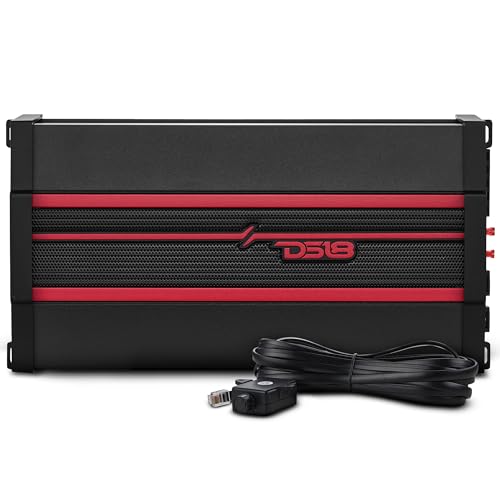
The DS18 CANDY-X5B Is A Compact 5-Channel Digital Amplifier That Delivers Combined Peak Output Near 2000W. It Handles Full-Range Speakers And Includes A Dedicated Sub Channel Rated To Deliver Substantial Power At Low Impedance, With Built-In LPF, Bass Boost, Phase Control, And A Remote Bass Knob.
- Features: 4 Channels For Mids/Highs Plus Dedicated Sub Channel, Remote Bass Control
- Use Case: Single-box Solution For A Full-Range System Plus Subwoofer Where Space Is Limited
- Notes: Check per-channel RMS specs and wiring diagrams when bridging or wiring multiple speakers
MTX TNP212DV Dual 12″ Loaded Vented Subwoofer Enclosure With Amp

The MTX TNP212DV Combines Two 12″ Subwoofers In A Vented Enclosure With An Included Slim Amplifier. This All-In-One Package Is A Practical Option For Users Wanting Pre-Matched Subs And Amp Integration. The Enclosure Uses Dual Loaded Subs With Specified Impedance And A Compact Mounting Amp For Simple Installation.
- Features: Dual 12″ Loaded Subwoofer Enclosure, Slim Compact Amplifier Included
- Use Case: Buyers Who Prefer A Matched Enclosure/Amp System Instead Of Sourcing Separate Components
- Notes: Verify amplifier RMS and combined sub impedance to ensure compatibility with your vehicle electrical system
Buying Guide: Choosing A 2000W Subwoofer Amplifier
When selecting an amplifier for a 2000 watt subwoofer setup, consider these critical factors to ensure reliable performance and safe operation.
RMS Vs. Peak Power
Match RMS Ratings—Use the amplifier’s continuous RMS power rating, not peak power, to match your subwoofer’s continuous power handling. RMS alignment prevents damage and poor sound quality.
Ohm Stability And Wiring
Confirm the amp’s ohm stability (1Ω, 2Ω, 4Ω) and plan your subwoofer wiring accordingly. Low-impedance stable amps deliver higher current but require heavier gauge wiring and proper fusing.
Efficiency And Heat Management
Class D amplifiers provide high efficiency and lower heat generation, which is useful in confined installs. Verify cooling requirements and ensure adequate ventilation to prevent thermal shutdown.
Power Supply And Current Draw
Check the amp’s power supply design (MOSFET, PWM, Hexfet) and ensure your vehicle’s alternator and battery can supply the required current. You may need upgraded ground/power wiring and a suitable fuse rating.
Controls And Filters
Look For Useful Controls: Low-Pass Filter, Subsonic Filter, Bass Boost, Phase Control, and a remote bass knob for convenient level adjustment. These controls help tune integration with factory or aftermarket head units.
Protection Features
Multi-protection circuitry (overheat, short-circuit, under-voltage) helps protect the amp and speakers. Ensure the amp includes these features, especially for high-power builds.
Installation Considerations
Plan wiring gauge (0–4 AWG for high-current setups), terminal quality, mounting location, and ventilation. Compact Class D amps ease installation, but secure mounting and proper grounding are essential.
System Perspective: Mono Amp vs Combo vs Multi-Channel
- Monoblock Amplifiers: Best For Dedicated Subwoofer Power And Low-Ohm Stability.
- All-In-One Combos: Matched Enclosure + Amp For Simpler Install, Less Tweaking Required.
- Multi-Channel With Dedicated Sub Channel: Useful For Full-System Power From One Unit; Check Sub Channel RMS Carefully.
Budget And Brand Considerations
Balance brand reputation, verified specifications, and available reviews. Third-party tested RMS numbers are preferable to marketing claims. Factor in installation costs for wiring upgrades and alternator support if needed.
Final Compatibility Checklist
- Confirm amplifier RMS matches subwoofer RMS continuous rating.
- Plan wiring gauge and fuse size for the claimed current draw.
- Ensure ohm load stability and correct wiring topology for multiple subs.
- Verify cooling/ventilation space for the amp and protection features.
- Check available controls for tuning and remote level adjustment.