
Best 2×10 Guitar Extension Cabinets: Top Picks for Stage-Ready Tone
If you’re building a compact, stage-ready rig, a 2×10 guitar extension cabinet can boost projection without needing a full-size 4×12. This guide highlights five solid extension options and explains who each is best for, along with practical buying considerations. It’s ideal for players seeking portable amps, small-venue clarity, or an upgrade from smaller combos.
Quick reference: Selected products
- Aguilar Tone Hammer 210 2×10 Inch 300-Watt Combo Bass Amplifier (Note: 2×10 design for compact, portable bass rigs; useful for on-stage projection at low-to-mid volumes in certain guitar settings)
- Vox V212C Guitar Extension Cabinet, 2×12″
- Boss Katana 150-Watt 2×12 Inches Cabinet
- Hughes & Kettner TubeMeister 212 120-Watt 2×12 Inches Extension Cabinet
- Traynor YBX212 2 x 12 Inch 150 Watt Guitar Extension Cabinet
VOX V212C Guitar Extension Cabinet Overview

The V212C is designed to pair with larger VOX amplifiers, adding substantial stage presence with 2 x 12″ Celestion G12M Greenback speakers. It’s best for players who want a classic VOX voice with more air and a bigger on-stage footprint. Choose this if you play VOX gear and need increased loudness without a complex setup.
Best for: VOX-leaning players who need a higher-projection extension cabinet for live gigs.
Limitation: This is a 2×12 configuration, not a 2×10, so it’s larger and heavier than compact 2×10 options. Use this if your primary amp pairing is VOX and you want vintage-greenback crunch at higher volumes.
Boss Katana 150-Watt 2×12 Cabinet
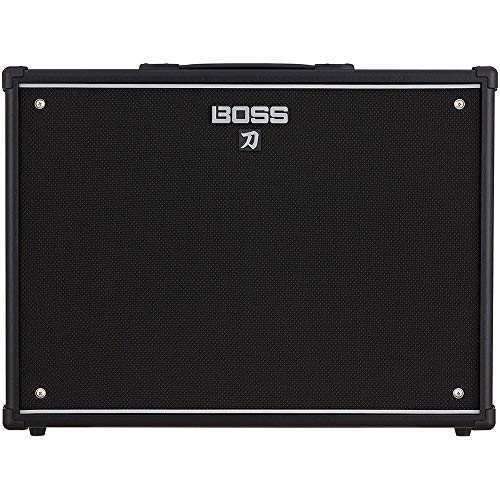
The Boss Katana 150-Watt 2×12 cabinet features two Celestion-style 12″ speakers and is designed to deliver modern, versatile tones with high headroom. This cabinet offers a broad frequency response and reliable stage output, making it suitable for players who want a robust clean-to-metal range without a complex pedalboard setup.
Best for: Players seeking a flexible, high-output 2×12 extension that handles a range of genres with straightforward usability.
Limitation: It’s a 2×12 cabinet, which may be larger and heavier than 2×10 options, and may not be the best fit for ultra-compact rigs or lighter-weight touring.
Hughes & Kettner TubeMeister 212 Extension Cabinet

The TubeMeister 212 is a 120-watt, 2×12″ extension cabinet built for robust live performance. With two Celestion Vintage 30 speakers and a closed-back design, it emphasizes a tight low end and strong midrange, ideal for players seeking classic rock to modern crunch with clear articulation on stage.
Best for: Players using TubeMeister heads or seeking a reliable, stage-ready 2×12 extension with strong projection.
Limitation: The 2×12 format, while powerful, reduces portability compared to compact 2×10 options and may require careful weight management for very mobile rigs.
Traynor YBX212 2×12 Inch Extension Cabinet
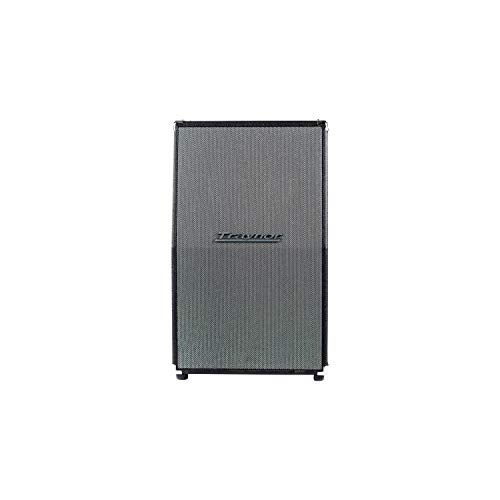
The Traynor YBX212 is designed as a solid partner for Traynor heads, delivering massive tone and maximum projection with a solid plywood cabinet. This 2×12 extension is built for durability and stage reliability, offering strong on-stage presence for larger venues.
Best for: Players using Traynor amplifiers or those prioritizing a rugged cabinet with high projection for live settings.
Limitation: The 2×12 configuration shares similar portability considerations with other 2×12 options; consider weight and transport when planning touring or frequent gig setups.
Buying Guide: Key Considerations For 2×10 Extension Cabinets
- Speaker size and tone goals: 2×10 cabinets are generally lighter and more portable than 2×12 cabinets. They can emphasize tighter low-end and midrange with quicker response, which suits smaller venues and practice spaces.
- Open-back vs closed-back: Open-back designs offer more airy resonance and are common in 2x12s for a broad stage presence. Closed-back cabinets tend to deliver tighter, more controlled low-end and are typically preferred in loud, high-gain settings.
- Power handling and headroom: Match cabinet wattage to your head to avoid strain or underutilization. A cabinet rated around 150–300 watts is common for modern guitar rigs, with 2x10s being efficient at lower stage volumes.
- Portability vs projection: If you travel frequently or play small to mid-sized venues, a 2×10 cabinet can offer a better balance of weight, transport ease, and on-stage projection compared to bulkier 2×12 options.
- Compatibility with your amp: Confirm impedance (ohms) and connector compatibility with your amplifier head. Cabinets listed here use typical configurations, but always verify before purchasing.
- Application type: For guitarists who primarily perform at home practice levels or small clubs, a 2×10 can be ideal. For players seeking a more classic rock or blues voice with substantial cut, a 2×12 may deliver more on-stage volume and sustain.
Frequently Asked Questions
- What is the main difference between 2×10 and 2×12 cabinets?
– A 2×12 cabinet generally provides more projection and low-end authority, while a 2×10 is lighter, more portable, and can deliver quicker, tighter response suitable for smaller venues. - Is a 2×10 cabinet better for beginners?
– It can be easier to transport and manage, making it a practical choice for beginners who play at home or small gigs. - Can I use a 2×10 cabinet with a high-watt head?
– Yes, but ensure the head’s impedance and power handling are compatible with the cabinet, and avoid pushing the head into excessive distortion at high volumes if the cabinet isn’t built to handle it. - Are extension cabinets necessary with guitar amps?
– Extension cabinets add stage presence and projection, especially when paired with compatible amp heads. They’re optional but beneficial for venues requiring more volume or a broader tonal spread. - Should I choose 2×12 for classic rock tones?
– If you prioritize a fuller low end and vintage-like saturation, a 2×12 often delivers that characteristic voice more readily than a compact 2×10. - Do 2×10 cabinets exist for guitar applications?
– Yes, many manufacturers offer 2×10 designs or 2×10 extensions for specific amp systems, including boutique and modern models, though some examples here lean toward 2×12 configurations for high projection.