Best 3.5 Mm to Coaxial Cable Guide for Digital Audio Enthusiasts
Direct, lossless digital audio transmission starts with a compatible 3.5 mm to coaxial cable. This guide highlights five Amazon options that reliably convert 3.5 mm digital-out signals to RCA coaxial S/PDIF or similar interfaces. Best for: mobile users needing DAC-ready connections, home theater builders adding digital inputs, and audiophiles seeking stable, low-impedance links. The top picks balance compatibility, build quality, and practical usage across consumer and desktop setups.
| Product | Connector Type | Best For | Notes |
|---|---|---|---|
| HiBy 3.5mm to RCA Coaxial Cable 1 Meter | 3.5mm to RCA SPDIF | Portable digital outputs | Solid anti-oxidation, standard RCA fit |
| Noteflora Digital Coaxial Audio Video Cable | SPDIF RCA to 3.5mm | HDTV and soundbars | Gold-plated, nylon braided |
| Micca Premium SPDIF Cable | 3.5mm (1/8″) to RCA | Frequent plug/unplug use | Polarity clearly defined |
| MagiDeal Coaxial Audio Video Cable | RCA to 3.5mm | Home stereos and amps | Copper core, 200 cm length |
| Fancasee 2 Pack Adapter | F-type to 3.5mm | Antenna and coax adapters | 2-pack, reliable signal |
HiBy 3.5mm To RCA Coaxial Cable 1 Meter

Best for: compact digital-output devices and portable DAC setups. This cable converts 3.5 mm digital-out signals from smartphones or portable players to RCA coaxial S/PDIF format, enabling direct connection to coaxial inputs on DACs, home theater receivers, or HiFi decoders. It emphasizes low contact impedance and corrosion resistance for stable audio transmission.
Why selected: It supports PCM and DTS digital formats, aiming for lossless transmission where the source provides digital audio over the 3.5 mm interface. The RCA male plug matches standard coaxial jacks for dependable compatibility with common audio decoders and amplifiers.
Caution: Verify your device is capable of digital output via 3.5 mm, as some devices only offer analog audio through the jack. This cable is designed for digital SPDIF use rather than pure analog transfer.
Noteflora Digital Coaxial Audio Video Cable

Best for: HDTV setups and soundbars needing reliable digital coaxial connections. This cable is designed to connect RCA SPDIF and 3.5 mm jacks with gold-plated connectors, reducing signal loss and ensuring stable sound delivery in home theater configurations.
Why selected: The copper core provides good conductivity, wrapped in a durable nylon braided jacket with a zinc alloy shell for longevity in daily use. It suits TV-based audio paths where digital coaxial input is standard.
Caution: Length and fit should be compatible with your TV or soundbar’s input spacing; ensure the 3.5 mm end supports digital out on your device, not just analog.
Micca Premium SPDIF Digital Coaxial Cable
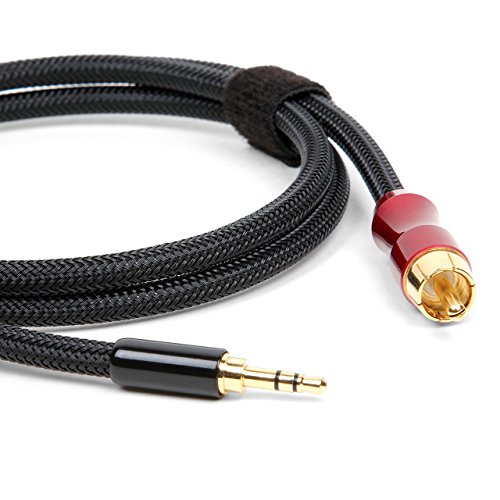
Best for: frequent plug-unplug use with portable players and desktop DACs. The cable uses a defined polarity: Sleeve as Ground, Tip as Signal, with a 75 Ohm coaxial profile and copper mesh shielding for robust signal integrity.
Why selected: All-metal connectors with machined petals on the RCA end ensure solid contact, while the slim 3.5 mm plug fits modern devices even with protective cases. It’s a practical choice for users who swap gear often.
Caution: Double-check polarity compatibility with your equipment; incorrect polarity can lead to degraded signal or no signal at all.
MagiDeal Coaxial Audio Video Cable RCA to 3.5mm
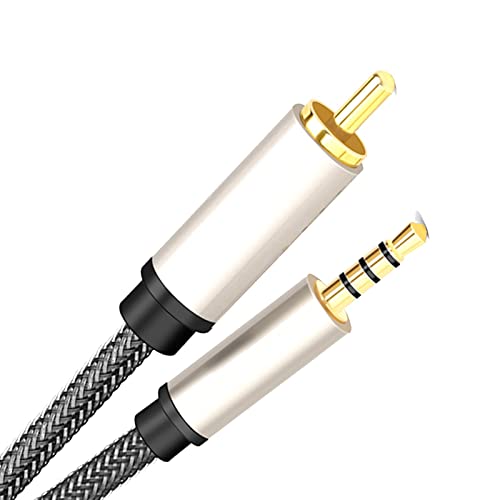
Best for: home stereo systems and amplifiers needing RCA to 3.5 mm connectivity. This cable uses a 3.5 mm to coaxial configuration suitable for digital SPDIF paths in consumer audio setups.
Why selected: It features a copper-based conductor arrangement and a durable outer jacket, offering a balance between flexibility and reliability for fixed home installations.
Caution: The 3.5 mm end is a male connector; confirm the corresponding input on your DAC or receiver accepts a 3.5 mm digital-out signal rather than analog.
Fancasee 2 Pack F Type To 3.5mm Adapter

Best for: coaxial signal extension where an F-type connector needs to be converted to 3.5 mm. Suitable for antenna and related setups requiring a 3.5 mm mono plug in the signal path.
Why selected: The adapter pair enables reliable signal transmission in configurations where a direct 3.5 mm digital-out is not available on the source, offering a practical bridging solution.
Caution: This is a specialized adapter; verify your equipment supports SPDIF or digital audio transfer through the modified connection before use.
Buying Guide
What to look for when choosing a 3.5 mm to coaxial cable
- Signal type compatibility: Ensure the cable supports digital SPDIF over RCA coaxial, not just analog audio.
- Connector quality: Gold plating and all-metal construction reduce corrosion and improve contact reliability over time.
- Conductor and shielding: Copper conductors with shielding help minimize signal loss, especially in longer runs or busy AV environments.
- Length and flexibility: Choose a length that fits your setup without excessive slack; consider nylon braiding or robust jackets for durability.
- Device compatibility: Some devices require specific polarity or output formats; confirm your source device outputs digital audio via 3.5 mm if you plan to use a 3.5 mm to RCA SPDIF path.
Frequently Asked Questions
- What is a 3.5 mm to coaxial cable used for?
It bridges digital audio from devices with 3.5 mm outputs to RCA SPDIF coaxial inputs on DACs, amplifiers, or receivers. - Do all 3.5 mm jacks output digital audio?
No. Some devices provide analog stereo output. Look for labels like SPDIF or digital out on the device. - Is gold plating important on connectors?
Yes, it helps resist corrosion and maintain a stable connection over time, especially in frequent-use setups. - Can I use these cables with home theater systems?
Yes, they are designed to link digital audio paths to coaxial inputs on AV receivers and decoders. - Should I worry about cable polarity?
Some premium cables specify polarity; incorrect polarity can affect signal transmission in certain configurations, so check device requirements. - How long should the cable be for best performance?
Use the shortest length that fits your layout to minimize potential signal degradation, especially for high-frequency SPDIF signals.