Best 4 Ohm Center Channel Speakers for Clear Dialogue and Immersive Home Theater
The right center channel speaker can make movie dialogue and on-screen narration crystal clear, while still blending with your left and right channels. This guide highlights five strong options that either explicitly support 4-ohm configurations or are well-suited for 4-ohm AVR setups. Each pick balances voice clarity, dynamic range, and compatibility with common home theater receivers. The selections cover compact desks to wall-munited configurations, helping you optimize your center channel for smaller living rooms or large media spaces alike.
| Product | Brand | Impedance Notes | Key Strength |
|---|---|---|---|
| Polk Monitor XT35 | Polk Audio | 4–8 Ohm compatible | Hi-res sound, slim profile |
| Polk Monitor XT30 | Polk Audio | 4–8 Ohm compatible | Compact center with rich mids |
| Klipsch R-52C | Klipsch | Typically 8 Ohm | Powerful, detailed center |
| Saiyin Slim Center | Saiyin | Impedance not listed | Versatile mounting, slim design |
| Micca M-CS | Micca | Impedance not listed | In-wall MTM design, compact |
Polk Monitor XT35 Slim Center Channel Speaker

The Polk Monitor XT35 is a slim, 4-Ohm-capable center channel designed to deliver crisp voice clarity without dominating visual space. Its four 3″ dynamically balanced woofers and 1″ tweeter provide a smooth midrange with open dialogue and solid lower frequencies. The low-profile cabinet fits beneath most TVs and blends with modern living room aesthetics. It supports a wide input range, making it compatible with Dolby Atmos and DTS:X setups when paired with compatible receivers. Built for durability and contemporary style, the XT35 emphasizes precision and detailed imaging across home theater sources and streaming services.
Polk Monitor XT30 Compact Center Channel
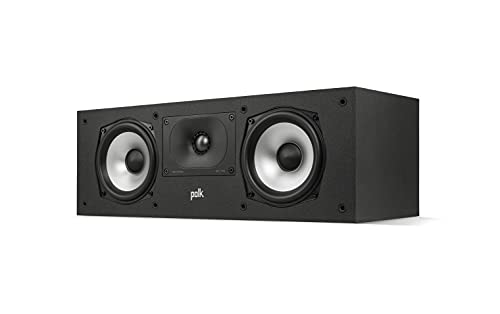
The Polk Monitor XT30 packs a compact center with a dedicated 1″ tweeter and two 5.25″ woofers for smooth midrange and confident bass, while maintaining dialogue clarity. The cabinet design emphasizes a low-profile footprint, allowing easy placement near the TV without blocking screen real estate. Its compatibility with 4-Ohm and 8-Ohm systems makes it a versatile choice for a range of receivers, including those with more demanding amplification. The XT30’s modern finish and robust construction suit contemporary living spaces while delivering reliable center-channel performance for film dialogue and streaming content.
Klipsch R-52C Powerful Detailed Center Channel
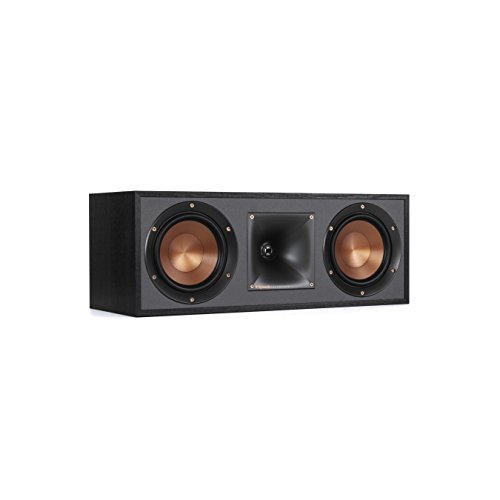
The Klipsch R-52C centers on delivering impactful dialogue with a pair of 5.25″ spun-copper IMG woofers and a 1″ aluminum LTS tweeter mated to a 90×90 square Tractrix horn. With a frequency response roughly spanning 89Hz to 21kHz and a sensitivity-oriented design, it’s tuned for clarity in midrange and crisp highs. While Klipsch product pages commonly list an 8-Ohm impedance, this center’s horn-loaded design can yield strong input handling and dynamic output when paired with suitable amplifiers. The R-52C is a strong choice for readers prioritizing vocal intelligibility in movie night setups.
Micca M-CS Dual 5.25 Inch Center Channel Speaker

The Micca M-CS is a compact in-wall center channel designed for discrete integration into media spaces. Its dual 5.25″ woofers and a 1″ pivoting silk tweeter provide a balanced, natural sound with clear dialogue and a broad listening sweet spot. The in-wall design reduces visual clutter and is suitable for rooms where floor- or bookshelf-centered setups aren’t ideal. It works with a wide range of receivers and is especially suitable for dedicated home theater builds where wall integration and minimal protrusion are priorities.
Polk Audio TL1 Center Channel Speaker
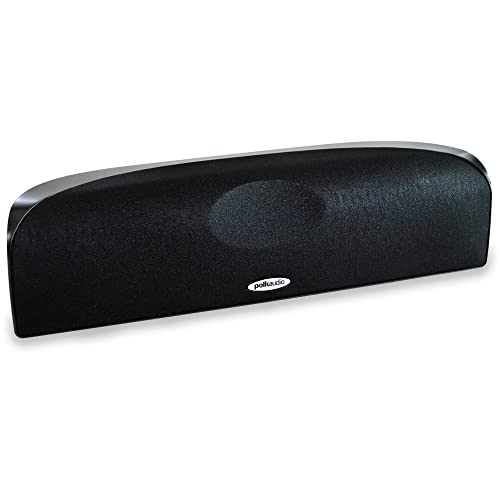
The Polk TL1 Center Channel is designed to complement flat-panel televisions with a curved enclosure and a dedicated center-driver array. It features a 1/2″ silk dome tweeter and dual 2-1/2″ mids/woofers to deliver cohesive center-channel dialogue and voice clarity. The TL1 is aimed at home theater enthusiasts seeking a balanced front channel that blends with Polk’s wider speaker family and integrates easily with contemporary AVRs. It supports modern streaming formats and provides a reliable midrange with controlled high-frequency details.
Buying Guide: Key Purchase Considerations for 4 Ohm Center Channel Speakers
- Impedance compatibility: Many home theater receivers are designed to drive 4-ohm or 8-ohm loads. If your AVR is optimized for 4-ohm loads, prioritize models explicitly listing 4-ohm compatibility or robust impedance ranges (e.g., 4–8 ohms) to maximize power delivery without overheating.
- Speaker size and placement: Slim, compact centers fit under TVs or on shelves, while larger centers offer more dynamic range. Wall-mounted or in-wall designs can reduce footprint but may require precise mounting and acoustic finishing.
- Voice clarity and imaging: Look for centers with well-defined midrange, clear high-frequency detail, and a wide listening sweet spot. Horn-loaded tweeters or advanced waveguide designs can improve directivity and intelligibility in larger rooms.
- Power handling and sensitivity: A higher sensitivity rating helps achieve better dialogue levels with modest amplifier power. Check your receiver’s power output per channel and ensure the center is comfortable with it for clean, distortion-free dialogue at typical listening levels.
- Build quality and finish: A visually discreet, well-built center that blends with your room aesthetics helps maintain a cohesive theater look. Finishes like black ash or piano black pairs well with most AV furniture and TV stands.
- Dolby Atmos and DTS:X compatibility: If your system supports object-based surround formats, ensure the center works well within your 3.1 or 5.1.2 configurations. Some centers explicitly advertise compatibility to support immersive setups.
- Connectivity and integration: Check whether the center accepts standard speaker-level inputs from your receiver and ensure compatibility with existing wiring and wall installations. In-wall options offer minimal footprint for dedicated theaters.
- Sound signature and room acoustics: Some centers emphasize bold dynamics and bright highs, while others aim for smoothness and warmth. Consider your room’s acoustics and how the center complements your left/right speakers to avoid a lisping or recessed dialogue.
In choosing a 4-ohm-capable center channel, prioritize models with documented impedance flexibility, clear midrange, and reliable build quality. If possible, audition several options with your AVR to verify dialogue clarity, stereo imaging, and how well the center integrates with your remaining channels. The selections above present a balance of compact form factors, modern design, and practical impedance options suitable for a range of American living rooms and home theater setups.