
Best 4-String Multiscale Bass Strings for Modern Players
If you’re seeking a 4-string multiscale bass setup that delivers strong low end, clear mids, and precise attack, these options cover a range of preferences from rugged live tones to bright studio feel. This guide highlights five products that balance tension, tone, and durability for players exploring multiscale designs or standard 4-string guitars alike. Each selection targets different playing styles—from heavy metal to funk and fusion—so you can choose the best fit for your rig and technique.
Buyer’s quick reference table: The table below compares the five highlighted sets by core strength, scale richness, and best-use scenario.
| Product | Brand | Best For | Notes |
|---|---|---|---|
| DR Strings DBSMB-45 | DR Strings | Heavy low-end, modern multiscale setups | Multi-Scale 45-65-85-105 |
| D’Addario XL Nickel 45-100 | D’Addario | Versatile live and studio, bright and tight | Standard 4-string NPS feel |
| IYV IBHLFF5-400 | IYV | Headless or multiscale experiments | Headless-focused description |
| DR Strings Dragon Skin+ 5-String | DR Strings | Multiscale 5-string extension | Notable for 5-string setup |
| Ernie Ball Hybrid Slinky 45-105 | Ernie Ball | Balanced, widely used in pro settings | Hybrid Slinky gauge |
DR Strings DBSMB-45 4 Strings, Base Strings, Black Dragon, Multi-Scale

The DR Strings DBSMB-45 set is built for players who want a robust multiscale feel with a strong low end. The string set follows a 45-65-85-105 taper, designed to emphasize the lows while preserving mid presence and concerted top-end attack. Best for progressive players who need a bold foundation that remains audible in a dense band mix. It’s a solid choice for modern rock, metal, and fusion where precise string response matters. A potential limitation is the heavier tension in the lower strings, which can demand a sturdier neck setup and setup adjustments for comfort.
D’Addario XL Nickel Bass Strings 45-100, 4-String Set

These D’Addario XL Nickel strings are a popular choice for players seeking reliability and bright articulation. The 45-100 gauge set delivers a tight low end with clear highs, supported by the brand’s Hex-Core for intonation stability and durable feel. Best for players who perform across genres and need consistent tension and tuning stability in live or studio contexts. A caveat: some players may prefer coated options for longevity in sweat-prone environments, though uncoated versions offer quicker attack and a more traditional feel.
IYV IBHLFF5-400 Multi-scale Headless Bass
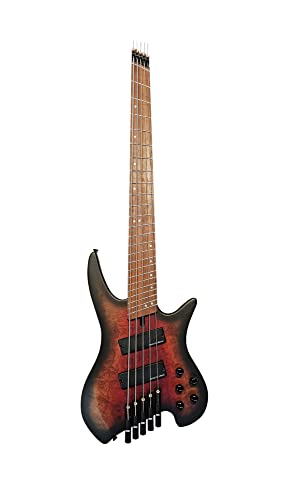
The IYV IBHLFF5-400 set targets headless and multiscale bass configurations. The product notes emphasize CNC precision, suggesting tight tolerances for consistent intonation across scales. Best for players experimenting with headless bodies or multiscale basses where precise fit and stability matter. A limitation to watch for is availability and compatibility; ensure your instrument supports the full-scale design and string routing required by these sets.
DR Strings Dragon Skin+ Coated 5-String, 45-125

This string set focuses on a 5-string multiscale approach, offering a 45-125 gauge with a coated nickel composition. Best for players expanding to extended-range tuning while seeking longer string life and a consistently smooth feel. Choose this if your rig includes a 5-string or if you want durability for aggressive playing. A limitation is that this is a 5-string set, so it’s not directly compatible with a standard 4-string bass without changing neck setup or conversion considerations.
D’Addario NYXL Bass Strings 45-105, Regular Light/Medium, 4-String

The NYXL line from D’Addario aims to deliver premium strength and stability with a reengineered core-to-wrap ratio. The 45-105 gauge is a versatile choice for standard 4-string basses and can translate well into multiscale contexts where you want stable intonation and enhanced harmonics. Best for players who prioritize tuning stability and a broader dynamic range without sacrificing feel. A potential limitation is that these strings can be stiffer than lighter gauges, affecting comfort for players with a lighter touch.
Buying Guide: Key Considerations For 4-String Multiscale Bass Strings
- Scale and tension: Multiscale sets taper progressively to equalize tension across strings, which can reduce fret buzz and improve intonation. Confirm your instrument’s scale configuration supports your chosen set.
- Gauge balance: Lighter gauges offer easier playability but may produce less perceived output in the low B or E regions. Heavier gauges boost output but require greater finger strength and setup attention.
- Material and coating: Nickel roundwound cores are common for bright tone and long-term durability. Coated strings last longer but may feel slicker or slightly mellower in attack.
- Intonation and neck setup: Multiscale sets can alter tension distribution; ensure string-through body or bridge saddles allow proper intonation. A professional setup is advised for new multiscale configurations.
- Playing context: Studio work often benefits from clear mids and sustained harmonic content, while live performances may favor aggressive attack and headroom in the low end. Choose strings that align with your typical gig profile.
- Maintenance: Wipe strings after playing to extend life, particularly on satin finishes. Consider corrosion resistance if you sweat heavily or play in humid environments.
Frequently Asked Questions
- What is a multiscale bass string set?
Answer: A multiscale set uses different string tensions along the scale length to optimize tension distribution and tone across strings. - Do multiscale sets fit standard bass bridges?
Answer: Compatibility depends on the instrument’s bridge saddles and nut slots. Some multiscale sets are designed for specific models or need a bridge with robust adjustability. - Are coated strings better for longevity?
Answer: Coated strings resist corrosion and last longer in certain environments, but some players note a slightly different feel or tone compared to uncoated strings. - Which gauge is best for beginners?
Answer: Lighter gauges (around .045 – .095) are easier to press and play, while heavier gauges offer more resistance and tone; balance with your comfort and genre. - Is a professional setup necessary after changing to multiscale strings?
Answer: Yes, a professional setup helps optimize intonation, truss rod relief, saddle height, and nut contact to maximize performance with multiscale gear. - Can these sets be used on both active and passive basses?
Answer: In general, yes, but active electronics may influence perceived string output and dynamics. Consider the overall preamp gain and EQ in your rig.