Best 6 Inch Passive Radiator Solutions for Enhanced Subwoofer Bass
These 6 inch and near-size passive radiators are selected to improve bass depth, transient response, and overall low-frequency extension. Best for DIY enclosures, home theater builds, and professional sound installs needing better bass without extra amps. The top picks here are suited for home enthusiasts, audiophiles, and installers who want clear, controlled bass. Below, you’ll find concise comparisons and practical buying guidance.
| Product | Best For | Notes |
|---|---|---|
| BAIMOQI Subwoofer Diaphragm Loudspeaker Woofer Radiator | Audiophiles upgrading smaller loudspeakers | 6.5/8 inch compatibility; rubber and iron construction |
| VONNST Subwoofer Diaphragm Radiator | Pro-studio and high-fidelity tweaks | 8 inch; rubber and iron build |
| Dayton Audio ND140-PR 5-1/4″ Aluminum Cone | Compact enclosures with aluminum performance | Not 6 inch but close size range |
| Dayton Audio DS175-PR 6-1/2″ Designer Series | Designer-class 6-1/2″ radiators for tuned boxes | Long-throw, versatile |
| RUMDS 6.5in/8in Passive Horn Radiator | Home theaters and parties seeking strong bass | 6.5/8 inch dual-size availability |
BAIMOQI Subwoofer Diaphragm Loudspeaker Woofer Radiator
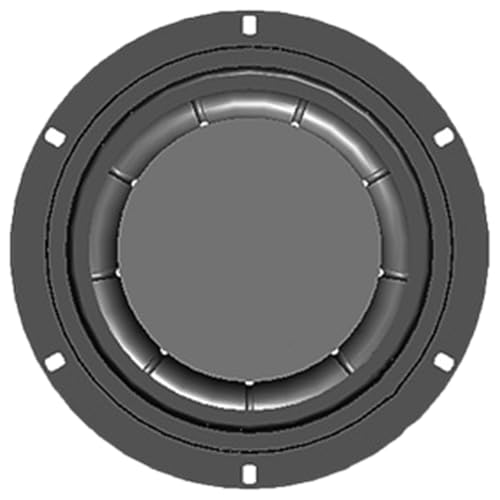
Best for audiophiles and professionals upgrading compact loudspeakers, this 6.5/8 inch diaphragm combines rubber and iron to support clear, deeper bass. It’s marketed as an essential accessory for improved subwoofer performance. Use this when you need a robust passive radiator that can sustain tight bass without distortion. Caution: exact enclosure compatibility may vary; verify mounting dimensions before purchase.
VONNST Subwoofer Diaphragm Radiator for 8 Inch

Best for studios and home theaters that require strong, extended bass from an 8 inch radiator, with a design that emphasizes low-frequency clarity. This radiator is described as essential for professionals upgrading loudspeakers. Choose this if you want substantial bass extension with durable construction. Limitation: larger size may not fit all compact enclosures without redesign.
Dayton Audio ND140-PR 5-1/4″ Aluminum Cone

Best for compact enclosures needing lightweight yet rigid aluminum performance. It offers a high excursion capability and a cohesive family look with ND Series woofers. Pick this if you already use ND Series drivers and want a matching passive radiator. Caution: 5-1/4 inch size is smaller than the target 6 inch range, so verify fit for your enclosure.
Dayton Audio DSA175-PR 6-1/2″ Aluminum Cone

Best for matching Dayton Designer Series drivers in tuned enclosures, this 6-1/2 inch radiator features a rear-mounted screw for easy mass adjustment and a cosmetics-friendly frame edge. Choose this when you want straightforward, tune-ready performance with a robust design. Limitation: alignment and mass adjustment require precise enclosure modeling for optimal results.
6.5in/8in Loudspeaker Subwoofer Diaphragm Radiator by RUMDS
Best for home theaters, parties, and performance spaces seeking a robust bass response from a 6.5 to 8 inch radiator. It emphasizes full-bodied depth and musicality, suitable for versatile listening contexts. Caution: some audiences may prefer a dedicated subwoofer for ultra-low extension in very large rooms.
Dayton Audio DS175-PR 6-1/2″ Designer Series

Best for designers and builders wanting a tuned, aesthetically pleasing driver with easy mass adjustments and a durable frame. This radiator packs a balance of performance and ease of installation, making it a solid choice for custom enclosures. Limitation: cosmetic frame edge is a design feature that may influence aesthetic fit in some builds.
Buying Guide: Key Considerations for 6 Inch Passive Radiators
- enclosure size and tuning: Passive radiators work with internal volume and tuning rings. Ensure the radiator diameter, mass, and compliance align with your enclosure goals.
- material and construction: Aluminum cones offer stiffness and low mass; rubber/iron blends can add damping or durability. Choose based on desired transient response and reliability.
- compatibility with existing drivers: Match radiators to the woofer and enclosure to avoid mismatched resonances. Consider series compatibility if you already own Dayton or similar drivers.
- mounting method: Some radiators use rear screws or external mounting. Confirm compatibility with your cabinet design.
- size constraints: 6-1/2″ and 8″ radiators require sufficient internal depth and clearance for mounting and airflow. Ensure enclosure dimensions fit.
- application focus: For home theater, prioritize bass extension and blend with midrange; for music listening, emphasize clean, non-boomy bass with fast transient response.
FAQ
- What is a passive radiator, and how does it affect bass?
– A passive radiator moves in response to the active driver’s pressure, increasing low-frequency output without extra power, improving bass depth and control. - Can I retrofit a 6 inch passive radiator into any enclosure?
– Retrofit depends on enclosure volume, mounting space, and mass tuning. Verify internal volume and mounting points before ordering. - What’s the difference between aluminum-cone and rubber/iron radiators?
– Aluminum cones are stiff and light, offering consistent excursion; rubber/iron combinations focus on damping and durability, affecting transient response and tonal balance. - Is a larger passive radiator always better for bass?
– Not always. Larger radiators extend lower but require appropriate enclosure size and tuning to avoid boomy or undefined bass. - Should I pair a passive radiator with a specific woofer?
– Yes. Compatibility ensures synchronized resonances. Align the radiator’s resonance with the woofer’s Thiele-Small parameters for cohesive output. - Do these radiators require external power?
– No. Passive radiators do not need their own power; they respond to pressure changes created by the active driver.