Best 7.1 in-Wall Speaker System for Immersive Home Theater
For a clean, clutter-free listening setup that still delivers room-filling surround sound, a 7.1 in-wall speaker system can be an excellent choice. This guide highlights five top options that blend performance, ease of installation, and aesthetics. Each product is evaluated for clarity, bass extension, and how well it holds up in typical home theater rooms. Use these picks to plan a seamless 7.1 installation that minimizes visible hardware while maximizing audio impact.
Summary of chosen products:
- Polk Audio 255c-RT In-Wall Center Channel Speaker
- Polk Audio 65-RT In-Wall Speaker
- Theater Solutions TST87 In-Wall and In-Ceiling Speaker System
- Polk Audio 265-RT In-Wall Three-Way Speaker
- Klipsch R-5502-W II In-Wall Speaker
Polk Audio 255c-RT In-Wall Center Channel Speaker

The Polk 255c-RT is a center-channel model designed to complement larger 7.1 builds. It features two 5.25″ mid/woofers and a 1″ swivel-mount silk-dome tweeter, delivering clear dialogue and natural midrange. Dynamic Balance, Distance Toggle, and Power Port technology help minimize wall reflections while enhancing bass response. The rotating CAM system and precision flange support a secure, vibration-free installation with available pre-construction brackets. This center channel is designed to integrate into 3.1, 5.1, 6.1, 7.1 and above surround configurations, helping anchor the front soundstage.
Key considerations:
- Excellent clarity for movie dialogue and voice tracks
- Versatile compatibility with multiple surround layouts
- Solid build with paintable grille for a seamless finish
Polk Audio 65-RT In-Wall Speaker

The 65-RT offers a wider 6.5″ driver footprint and a single 1″ dome tweeter in a two-way configuration. With Power Port and Dynamic Balance, it aims to deliver robust bass and detailed highs in a compact footprint. Designed to offset reflective surfaces, this speaker is suitable as front left/right or as left/right surrounds within a 7.1 system. It’s built for straightforward installation, featuring perfect-fit templates, a precision flange, and rotating CAM hardware to ensure a secure, vibration-free mount.
Consider this when:
- You need high output from a relatively unobtrusive speaker
- Your room has reflective surfaces that can color sound
- You want flexible placement as part of a larger 7.1 array
Theater Solutions TST87 In-Wall And In-Ceiling 8″ Speakers

The Theater Solutions TST87 kit combines eight-inch in-wall and in-ceiling drivers into a single 7.2-channel system, including four TS80W wall speakers, two TS80C ceiling speakers, and a TSLCR5 wall center. The array is designed for substantial output and a wide listening field, with a setup capable of handling 2000W peak per channel. Details such as pivoting tweeters, 12 dB per octave crossovers, and rugged 8″ drivers support large rooms and dedicated home theater layouts. It’s a strong pick for those who want a budget-conscious path to a high-channel-count installation.
Practical notes:
- Great for larger rooms or multi-seat seating arrangements
- In-wall/ceiling combination reduces visual clutter
- High power handling supports dynamic movie soundtracks
Polk Audio 265-RT 3-Way In-Wall Speaker

The 265-RT is a 3-way in-wall speaker featuring two 6.5″ mid/woofers and a 1″ swivel-mount silk-dome tweeter. This design aims to deliver expansive front-channel performance and versatile placement as left/right speakers or rear surrounds in a 7.1 system. Like Polk’s other Vanishing Series models, it leverages Power Port for deeper bass and Dynamic Balance for clear highs and midrange. The 265-RT is built with easy installation in mind, including precise flange alignment and rotating CAM hardware for stability.
Ideal use cases:
- Large rooms that require robust bass from multiple drivers
- Front or surround roles in expansive 7.1 configurations
- Homes where wall aesthetics matter as much as sound quality
Klipsch R-5502-W II In-Wall Speaker
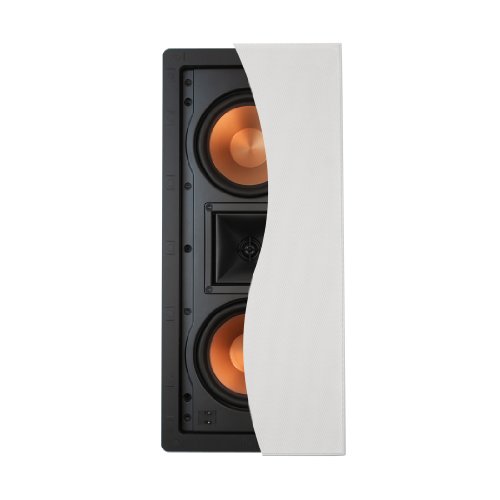
The Klipsch R-5502-W II uses a 1″ titanium diaphragm compression driver paired with a 90° x 90° Tractrix horn for crisp highs and precise imaging. Dual 5.25″ Cerametallic cone woofers deliver strong bass with low distortion, making it a strong candidate for front left/right channels or as a reliable surround in a larger 7.1 setup. The R-5502-W II is designed for in-wall installation with a focus on efficiency and dynamic range, maintaining clarity across a wide listening area while supporting high-volume home theater playback.
Key strengths include:
- High-efficiency horn-loaded treble for crisp dialogue
- Robust woofer configuration for confident bass
- Solid on-wall and in-wall versatility with clean aesthetics
Buying Guide: Key Considerations For 7.1 In-Wall Systems
When selecting a 7.1 in-wall speaker system, consider room size, acoustic treatment, and viewing/listening habits. Here are practical factors to weigh:
- Speaker configuration and roles: Determine primary front, center, and surround channels. In-wall options are ideal for unobtrusive front channels and centers, but make sure you have enough drivers to cover the space.
- Power handling and bass response: In-wall models vary in bass output. Systems with Power Port or multiple drivers tend to deliver deeper, more even bass compared to smaller two-way designs.
- Installation and finish: Look for precise flange fit, pre-construction brackets, and paintable grilles to achieve a seamless look that blends with décor.
- Acoustic reflections: Rooms with hard surfaces benefit from drivers designed to minimize wall reflections and improve dialogue clarity.
- Compatibility with existing gear: Check that center-channel and surround cues align well with your receiver’s impedance, sensitivity, and channel map.
- Future scalability: If you plan on expanding to a larger system, choose models known for easy expansion and stable performance across channels.
In-wall systems vary in driver configuration and enclosure design. For a balanced 7.1 setup, pair a capable center (for dialog) with multiple high-quality surrounds and front channels that share a coherent tonal balance. Consider room calibration or a measurement microphone to tailor EQ and delay settings for optimal imaging and bass response. Finally, ensure that the installation hardware is compatible with your wall type and that finish work aligns with your interior design goals.