
Best 8-Channel Reel to Reel Gear for Open-Reel Enthusiasts
Answering the needs of audio historians, project hobbyists, and studio technicians, this guide highlights top 8-channel reel-to-reel related gear. The selections emphasize compatibility with standard 1/4″ tape, reliable wiring, and durable construction. Best for beginners who want a simple starter setup, or professionals restoring and maintaining older open-reel systems. Each item is chosen for clear practicality and cross-compatibility with common open-reel machines. The buyer can expect straightforward setup, easy sourcing of spares, and a balanced approach to connectors, splicing, and accessories.
Below is a quick table of the featured products to compare at a glance:
- Hosa CPR-802 8-Channel 1/4″ TS to RCA Snake
- Relaxweex Empty 7″ 1/4″ Reel Set (3-pack)
- Dual 8MM/Super 8 Movie Film Reels with Adapter
- CAT6 8-Channel Stage Snake Cable Reel
- Yosoo 7″ Aluminum Empty Reel (3 holes)
Hosa CPR-802 8-Channel Reel to Reel Snake

Best for multi-channel routing from a compact stage or studio patch bay. The Hosa CPR-802 connects eight channels via 1/4″ TS to RCA, ideal for open-reel setups that use RCA for playback or line-level signals. Its 6.6-foot length keeps signal paths tidy in small studios or portable rigs. This option is better for users who need a ready-made multi-channel sender/receiver arrangement without a full mixer patch.
Pros: Simple 8-channel wiring, compact length, standard 1/4″ TS and RCA compatibility. Cons: Limited to TS to RCA, not balanced over long runs; check your equipment input/output types before purchase.
Relaxweex Empty Reels 7″ x 1/4″ (3-Pack)

Best for filling a reel-to-reel shelf with ready-to-use spares. The 3-pack of 7″ x 1/4″ reels is designed for standard tape spools and provides cost-effective, portable replacements. Suitable for open-reel users who perform regular tape maintenance or need quick swaps during recording sessions. Choose this if you want bulk reels for ongoing projects.
Pros: Bulk quantity, lightweight, compatible with standard 1/4″ tapes. Cons: Plastic reels may feel less premium than metal options for some users; verify your machine’s winding tension compatibility.
Dual 8MM and Super 8 Film Reel with Adapter
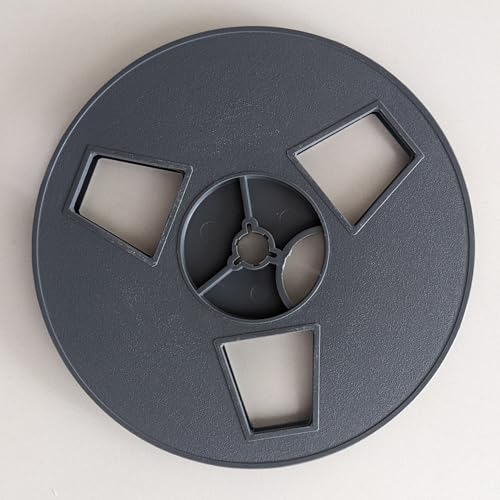
Best for users working with 8mm film in tandem with audio projects. These dual reels include an adapter and offer a 400ft capacity with a 7-inch diameter. While marketed for film, the reel’s size makes it a practical match for larger open-reel tape accessories that share similar mounting standards. Pick this if you simultaneously handle film and tape tasks and want a compatible, larger-capacity reel.
Pros: Large capacity, dual-reel design. Cons: Not a dedicated audio reel; ensure your physical mount and reel-to-tape alignment suit your setup.
CAT6 8-Channel Stage Snake Reel

Best for high-density, interference-resistant multi-channel connections. This 50m CAT6 stage snake consolidates eight independent channels into a single cable reel with double shielding. RJ45 connectors in rugged metal shells are designed for touring and live events. Choose this when you need cleaner signal paths and robust construction for long-distance connections between stage, studio, and open-reel players.
Pros: Double shielding per channel, long reel length, rugged connectors. Cons: CAT6 performance depends on compatible devices; ensure your interface accepts RJ45 channels for audio use rather than standard data networking.
Dual 8MM and Super 8 Film Steel Reel
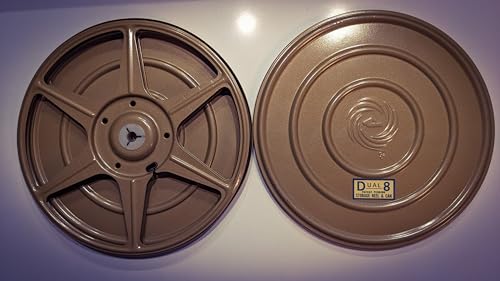
Best for durability-focused setups. This 400ft, 7″ steel reel with a plastic adapter provides robust protection and stable performance for long recording runs. It’s a practical choice for environments where metal reels help resist warping or damage during transport. Use this if you value longevity and steadiness in reel handling.
Pros: Durable steel construction, stable winding. Cons: Heavier than plastic reels; ensure compatible mounting on your tape deck and drive system.
Yosoo 7 Inch Aluminum Empty Reel

Best for clean, corrosion-resistant open-reel spooling. The aluminum alloy 7-inch empty reel provides a lightweight yet sturdy option for recording and playback, with an NAB flange and three-hole windage design. Choose this if you want a high-quality blank reel that minimizes noise and maintains alignment during spooling.
Pros: Aluminum durability, vintage NAB-style look. Cons: Aluminum reels can be pricier; verify exact flange compatibility with your machine’s take-up hub.
Buying Guide
What to consider when shopping for 8-channel reel-to-reel gear:
- Channel count and wiring type: Decide if you need multi-channel routing (TS to RCA, CAT6, or other) based on your equipment’s inputs and outputs.
- Reel material and durability: Plastic reels are affordable and lightweight; metal reels offer durability and smoother winding, especially for longer sessions.
- Reel diameter and capacity: 7″ reels are common for 1/4″ tape; larger reels hold more tape but require compatible machines.
- Connector compatibility: Ensure connectors match your open-reel machine and any interface you plan to use (RCA, XLR-style shells, RJ45, etc.).
- Interference and shielding: For multi-channel CAT6 or long runs, double shielding helps protect signal integrity in live environments.
- Splicing and maintenance: A splicing block kit can simplify repairs and tape maintenance, reducing downtime during edits.
Choosing the Right Gear: Quick Questions
- Do you primarily need multi-channel routing or single-channel paths? Choose snake cables or multi-channel reels accordingly.
- Will you operate in a live setting or a quiet studio? Prioritize rugged connectors and shielding for live use.
- Is weight and portability important? Plastic reels are lighter; steel and aluminum reels offer durability for travel.
- Are you replacing worn reels or expanding a collection? Empty reels and splicing kits help with repairs and expansion.
FAQ
- What is the typical use for an 8-channel reel-to-reel snake? Answer: It consolidates multiple signal paths from open-reel machines to mixers, interfaces, or playback equipment.
- Are CAT6 stage snakes suitable for audio only? Answer: They can be used for high-speed, shielded channel routing, but ensure proper adapters and compatibility with audio equipment.
- Do reel-to-reel reels affect sound quality? Answer: Reels themselves are passive, but material and winding quality can influence mechanical stability and tape handling.
- Should I buy new or used reels? Answer: New reels ensure consistent dimensions and hub alignment; used reels may vary in wear and winding precision.
- Is a splicing block kit necessary? Answer: Not strictly, but it simplifies tape repairs and can improve splice accuracy for open-reel edits.
- What should I verify before purchasing a multi-channel snake? Answer: Check channel count, connector types, shielding, and overall length to fit your setup.