
Best Short-Scale Acoustic Guitars for Small Hands and Beginners
Short-scale acoustic guitars are ideal for players with smaller hands, beginners, and travelers who want comfortable playability without sacrificing tone. This guide highlights five top options that balance size, action, and sound. The list favors 3/4 or compact parlor shapes with shorter scales, making fretting easier and reducing strain during practice sessions. Each product section explains who it’s best for and why it stands out, plus a quick caution to help you decide.
Product Snapshot: Top Picks At A Glance
- Yamaha JR1 FG Junior 3/4 Size Acoustic Guitar, Natural — Best for young players and small hands seeking authentic Yamaha tone.
- Fender CN-25 3/4 Nylon String Acoustic Guitar for Kids, Natural — Best for nylon-string ease for beginners ready for fingerstyle basics.
- California Standard Redondo Mini with Bag, Spruce Top, Surf Green — Best for travel-friendly, bright tone in a miniature dreadnought.
- California Standard Redondo Mini with Bag, Sapele Top, Natural Sapele — Best for balanced mids and portability in a compact build.
- Gretsch Jim Dandy Parlor Acoustic Guitar – Deep Cherry Burst — Best for blues and folk with a compact parlor voice.
Yamaha JR1 FG Junior 3/4 Size Acoustic Guitar

The Yamaha JR1 is a 3/4 sized model modeled after Yamaha’s FG Series. It features a smaller body and shorter neck, designed for young players or anyone with smaller hands. A spruce top and Yamaha craftsmanship provide a surprisingly authentic acoustic tone for its size. This instrument is best for beginners and youth players who want a respected brand feel without a full-size guitar. Caution: The compact body yields less bass projection than larger dreadnoughts, which may matter for players seeking deeper low-end resonance.
Fender CN-25 3/4 Nylon String Acoustic Guitar for Kids

The Fender CN-25 is a 3/4 size nylon-string acoustic designed for beginners who prefer nylon feel and lighter tension strings. It includes beginner-friendly features and a subscription to Fender Play, which offers instructional videos to help learners advance. This model is best for players who want a softer touch and classical-inspired string tension at a reduced scale. Caution: Nylon-string tension can differ from steel strings; intonation and setup may require periodic adjustment for optimal playability.
California Standard Redondo Mini with Bag, Spruce Top
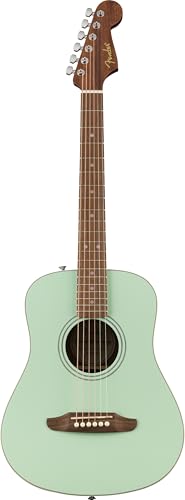
This California Redondo Mini with a spruce top offers a compact miniature dreadnought shape and a short 22 ¾” scale. The spruce top contributes bright, articulate tone, making it a strong choice for travel players or beginners who want a lively acoustic voice in a tiny package. Best for on-the-go practice and casual campfire tones. Limitation: The all-laminate construction may be less resonant than solid tops in longer-term listening depth.
California Standard Redondo Mini with Bag, Sapele Top

This California Redondo Mini variant uses a sapele top paired with a miniature dreadnought body and a 22 ¾” scale. It delivers balanced mids and compact playability, making it a practical option for players who want a slightly warmer tone than spruce tops provide. Best for practice in small spaces or travel, with the caveat that laminate construction may limit sustained resonance compared to solid woods.
Gretsch Jim Dandy Parlor Acoustic Guitar
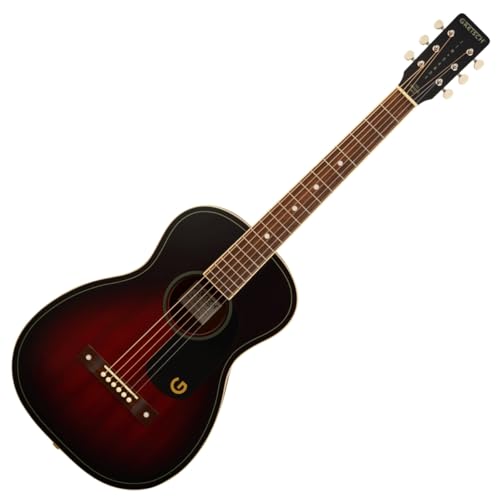
The Gretsch Jim Dandy Parlor combines a compact parlor body with a lamination top and back/sides. The walnut fingerboard adds a distinct feel, and its smaller size makes it accessible for beginners while delivering crisp high tones and articulate mids. Best for players seeking a bluesy or folk voice in a traditional parlor size. Caution: Parlor bodies can feel tighter for players who prefer a larger picking area or deeper bass response.
Gretsch Jim Dandy Deltoluxe Parlor Short Scale

The Jim Dandy Deltoluxe Parlor Short Scale blends vintage style with modern playability. Its 24-inch scale and C-shaped neck support comfortable fretting, especially for beginners or players with smaller hands. The parlor body shape emphasizes mids and highs, delivering a bright, focused tone suitable for blues, folk, and singer-songwriter styles. Choose this if you want a short-scale metal-wood mix and a stage-ready aesthetic. Limitation: It is an acoustic-electric model, so it may require more setup and maintenance for amplified use.
Ibanez PF2MH 3/4 Size – Natural

Note: The Ibanez PF2MH 3/4 Size is included for comparison as a compact steel-string option with a 3/4 scale. It features a Sapele top and Mahogany neck, which can yield a crisp, balanced tone with good projection. Best for players who want a steel-string feel in a smaller form factor. Caution: The 3/4 size may still feel tight for players with longer reach or those seeking a broader bass response.
Buying Guide: Short-Scale Acoustic Guitars
What should you look for in a short-scale guitar?
Key factors include scale length (short scales around 22-24 inches are easiest to play), body size (parlor or mini dreadnought designs offer comfortable dimensions), neck profile (slim or C-shaped necks reduce fretting effort), and top wood (solid tops deliver more resonance; laminates are more durable and affordable).
Which guitar is best for beginners?
Guitars with a smaller neck and light gauge strings tend to be easiest for beginners. The Yamaha JR1 and Fender CN-25 are popular starter options due to playability, brand support, and beginner-focused features such as guided learning resources or nylon-string ease.
For travel and portability, which should you consider?
The miniature and 22 ¾” scale options from California Redondo Minis excel in portability and are designed to be travel-friendly while retaining a usable tone for casual playing and practice sessions on the go.
Steel vs nylon strings on short scales
Nylon-string models, like the Fender CN-25, offer a softer feel and lighter tension, which can be gentler on beginners. Steel-string short-scale guitars tend to project more volume and offer a brighter tone. Choose nylon for fingerstyle and ease of pressing; choose steel for versatility and brightness.
What about buying considerations for future growth?
Consider a guitar that can evolve with your skills. A reliable brand, standard tuning stability, good nut and saddle height, and comfortable action will minimize future upgrades. If you expect to expand to standard scale later, check compatibility of the neck and the overall feel to ensure a smoother transition.
Frequently Asked Questions
- What is a short-scale guitar? Answer: A guitar with a shorter scale length (typically 22–24 inches) that reduces string tension, making fretting easier and increasing playability for beginners and players with smaller hands.
- Are 3/4 size guitars suitable for adults? Answer: Yes, many adults with smaller hands or travel needs prefer 3/4 size for comfort, though some may still want a full-size instrument for a fuller bass response.
- Do short-scale guitars sound different from standard scale guitars? Answer: They can have brighter or less resonant bass due to smaller body size and shorter scale, though tone depends on wood, bracing, and build quality.
- Should beginners choose nylon or steel strings on a short scale? Answer: Nylon strings offer lighter tension and easier playability for beginners; steel strings provide more brightness and typical acoustic feel if the learner plans to play standard steel-string songs.
- Is setup important on short-scale guitars? Answer: Yes. Proper action, intonation, and neck relief improve playability, especially on compact models where small adjustments can significantly affect comfort.
- What features matter most for travel guitars? Answer: Size, light weight, durable construction, comfortable neck, and reliable tuning stability matter most for travel-focused short-scale guitars.
In summary, choosing a short-scale acoustic guitar hinges on your playing style, hand size, and whether you prioritize nylon feel, travel convenience, or parlor voice. The Yamaha JR1, Fender CN-25, California Redondo Minis, and Gretsch Jim Dandy line each offer distinct advantages for different players. Use this guide to match the instrument to your needs and begin playing with ease.