
Best All-Nylon Guitar Strings for Classical Tone
Answer: For players seeking a true nylon-string experience, these all-nylon sets deliver warm, mellow tones with responsive playability. This guide highlights five nylon-based options, each suited to different playing styles and skill levels. Use these picks to compare tension, ease of play, and tonal character. The top selections are ideal for classical players, fingerstylists, and students who want a comfortable feel and a balanced, classical voice without steel-string brightness.
Quick comparison table of selected products
| Product | Brand | Tension | Best For | Notes |
|---|---|---|---|---|
| D’Addario Pro-Arte Nylon Classical Guitar Strings, Normal Tension | D’Addario | Normal | Classic tone, everyday playing | Tie-ends, multi-filament nylon core |
| D’Addario Pro-Arte Nylon Classical Guitar Strings, Light Tension | D’Addario | Light | Fingerstyle and ease of playing | Tie-ends, nylon core |
| Belfort Classical Guitar Strings – Nylon Silver-Wound | Belfort | Light to Medium | Wide tonal palette, comfortable feel | Light Force Technology, pain-free playing |
D’Addario Pro-Arte Nylon Classical Strings, Normal Tension
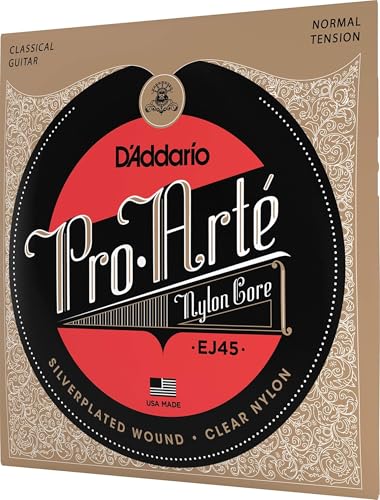
Reference: D’Addario Pro-Arte Nylon, normal tension, offers classic nylon tone with responsive playability. The set uses a multi-filament nylon core for basses and clear nylon trebles, delivering a well-balanced, warm, and mellow sound. Tie-ends and silver-plated copper wrap wire complete the package.
Best for: Players who want a dependable, traditional classical voice with straightforward tension for everyday practice and performance.
Why selected: This set is a well-rounded option that suits a broad range of classical styles, from arpeggios to legato passages.
Limitation: Some players may prefer a lighter or heavier tension depending on their guitar’s scale and tension tolerance.
D’Addario Pro-Arte Nylon Classical Guitar Strings, Light Tension

Reference: Light tension version of Pro-Arte Nylon strings focuses on easier playing and a slightly mellower feel, with the same multi-filament nylon core basses and clear nylon trebles as the standard set. Tie-ends and silver-wrapped copper wire maintain the familiar classical timbre.
Best for: Beginners, players with sensitive fretting fingers, and those seeking a softer touch for intricate fingerstyle work.
Why selected: The lighter tension reduces finger fatigue while preserving the traditional classical tone.
Limitation: The lighter tension may project less volume on some instruments, especially brighter-sounding guitars.
BELFORT Classical Guitar Strings – Nylon Silver-Wound

Reference: Belfort strings combine Italian nylon with Light Force Technology for enhanced comfort and reduced playing fatigue. These nylon strings offer a rich, full-bodied tone with balanced highs and warmth, suitable for both beginners and seasoned players seeking versatility across styles.
Best for: Players who value comfort during long practice sessions and want a versatile nylon set for various styles, from flamenco-inspired passages to soft fingerpicking.
Why selected: The design emphasizes pain-free playing while preserving tonal clarity.
Limitation: The specialized technology may be less familiar to players who prefer traditional nylon textures.
TUOREN 2 Sets Of Nylon Strings For Classical Guitar
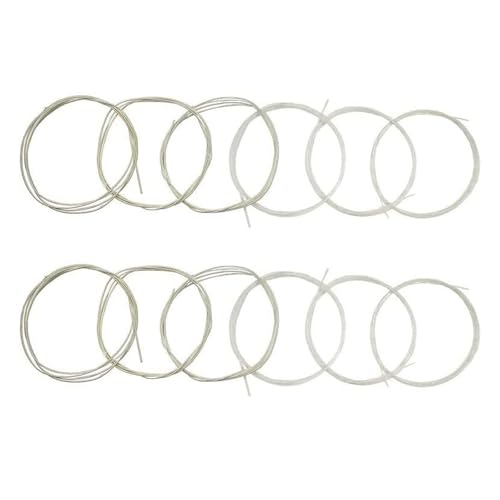
Reference: This option includes two sets of nylon strings with a combination of clear nylon cores and core alloy windings, designed to produce a warm, bright, and well-balanced classical tone. Silver wire winding core technology aims for stable performance and consistent intonation across a session.
Best for: Players seeking value and flexibility, including learners and performers who want extra sets for rehearsal or student ensembles.
Why selected: The dual-set offering provides good value while maintaining nylon-based tonal characteristics.
Limitation: With multiple elements, setup consistency may vary slightly by guitar and bridge type.
D’Addario Pro-Arte Nylon Classical Strings, Normal Tension, 3 Sets

Reference: A bulk option for players who want reliable classical nylon string sets across multiple guitars or who use a backup instrument. Normal tension provides a familiar balance of playability and tone.
Best for: Studios, schools, or players needing economical bulk purchases without sacrificing nylon tone.
Why selected: Keeps consistent tone and tension across multiple instruments or practice sessions.
Limitation: Availability in bulk may differ by region; ensure compatibility with your guitar’s nut width and scale length.
Buying Guide: All-Nylon Guitar Strings
What matters when choosing nylon strings?
Consider tension, tone, and playability. Normal tension gives a balanced response for most classical guitars, while light tension eases fretting and reduces finger fatigue. The material mix (nylon core, nylon trebles, and wound wraps) shapes brightness and warmth. Ball-end vs tie-end designs affect bridge installation and intonation on some guitars.
Who should use nylon strings?
Nylon strings are ideal for classical players, fingerstyle guitarists, students learning classical technique, and players who prefer a softer, mellower voice than steel strings. Nylon sets can accommodate a wide dynamic range while offering generous sustain and warmth.
How to maintain nylon strings?
Wipe strings after playing to remove sweat and oils. Clean the fretboard periodically and check for wear around the bridge and nut. If strings feel dull or sound overly bright, consider replacing all strings to restore tone consistency. For beginner players, lighter tensions can reduce finger fatigue and improve accuracy.
Which selector method helps you compare?
Compare tension (normal vs light), core construction (multi-filament nylon), and winding (80/20, silver-wound, etc.). For long-term comfort, look for strings advertised as “pain-free” or featuring innovations like Light Force Technology. If you play a lot of fingerstyle, prioritize warm, balanced highs with responsive treble strings.
What about compatibility?
Most nylon sets fit standard classical guitars, but check your guitar’s scale length, nut slots, and bridge type. Tie-ends are common on classical guitars with tied bridge saddles, while ball-ends suit certain models. If you rotate between guitars, consider a set that comes in multiple tension options to maintain similar feel across instruments.
FAQ
- Q: Are nylon strings easier to press than steel strings? A: Yes, nylon strings generally require less finger pressure, which can reduce fatigue for beginners and players with sensitive fingertips.
- Q: Do all nylon strings have a similar tone? A: They share a classical voice, but tonal warmth, brightness, and sustain vary by winding, tension, and brand.
- Q: Should I choose normal or light tension? A: Light tension offers easier fretting and faster response; normal tension provides a balanced, full-bodied tone for most players.
- Q: How often should I replace nylon strings? A: Frequency depends on playing style and climate, but players typically replace weekly for performance, monthly for casual practice, or as needed for tone change.
- Q: Can nylon strings be used on uptuned or flamenco guitars? A: Some nylon sets are versatile; however, flamenco-specific sets may use different tensions and windings optimized for brightness and attack.
- Q: Do nylon strings impact intonation? A: Replacing strings can affect intonation; always check and adjust truss rod, nut, and saddle if needed after changing strings.
These five nylon-based options cover a range of tensions, tones, and playing styles. Whether you value classic warm tone, ease of play, or long-lasting comfort, the right all-nylon set can improve your practice experience and musical expression.