
Best Aluminum Bronze Guitar Strings: Top Choices for Tone and Longevity
Answering the question for players seeking aluminum bronze strings, this guide compares the closest available bronze options and explains which may suit different playing needs. Aluminum bronze is rarer in standard acoustic sets, so we review phosphor bronze and 80/20 bronze strings that closely resemble that bright, projecting voice. Ideal for players seeking warm bright tone, durability, and smooth feel. The top five picks below are organized to help you decide who each set is best for, with quick notes on limitations or caveats.
Summary of chosen products
| Product | Brand | Best For |
|---|---|---|
| Elixir, Acoustic Guitar Strings, Phosphor Bronze, NANOWEB, 6-String, 12-53 | Elixir | Players seeking longest-lasting tone and smooth feel |
| Elixir, Acoustic Guitar Strings, 80/20 Bronze, NANOWEB, 6-String, 12-53 | Elixir | Bright, focused tone with lasting protection |
| D’Addario EJ11 80/20 Bronze Acoustic Guitar Strings, Light, 12-53 | D’Addario | Classic bright acoustic tone, precision wound |
| Ernie Ball Earthwood Medium Light Phosphor Bronze Acoustic Guitar Strings 3 Pack, 12-54 | Ernie Ball | Balanced tone across lows, mids, highs; value with three sets |
| D’Addario EJ16-3D Phosphor Bronze Acoustic Guitar Strings 12-53, 3 Sets | D’Addario | Warm, balanced tone; durable three-set value |
Elixir Phosphor Bronze NANOWEB Acoustic Strings
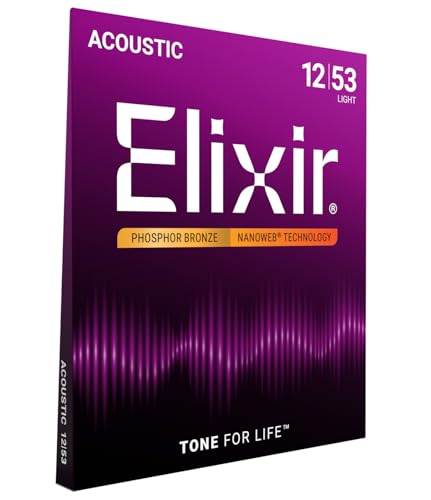
Best for players who want the longest-lasting tone. These strings use phosphor bronze wrap wire with NANOWEB coating for a smooth feel and durable protection. They are widely trusted by performers and studio players for consistent brightness and stability from life to life. Consider this set if you prioritize longevity and a comfortable playing surface. Limitation: the coating can slightly alter initial brightness until familiarized with the feel.
Elixir 80/20 Bronze NANOWEB Acoustic Strings

Brighter and more focused than phosphor bronze, these strings are best for players who want extra brightness and projection without sacrificing long-lasting protection. They’re suitable for a wide range of styles, from folk to pop. Caution: some players report slightly crisper feel with lighter gauges, which might affect fret-hand comfort for beginners.
D’Addario EJ11 80/20 Bronze, Light
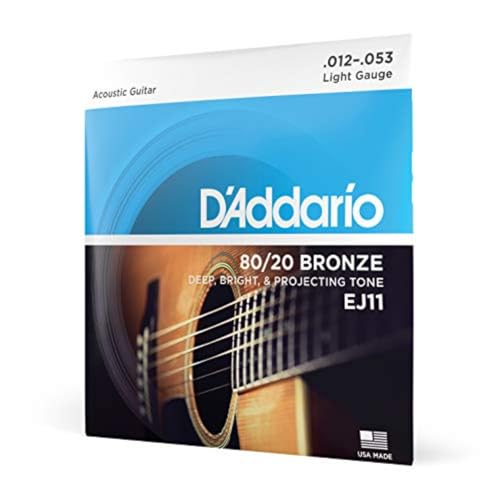
Best for bright, bold acoustic tone with strong room projection. The 80/20 wrap wire on a hex core delivers crisp articulation and lively highs, making it a go-to for players who want a classic, glassy brightness. Limitation: the tone can be less balanced in darker-sounding guitars without proper setup.
Ernie Ball Earthwood Phosphor Bronze, Medium Light

Best for balanced voice with even warmth across all strings. The medium-light gauge is a popular choice for players seeking comfortable playability and a broad dynamic range. Limitation: three-pack packaging means you’ll be replacing strings more frequently if you play aggressively or gig often.
D’Addario EJ16-3D Phosphor Bronze, 3 Sets

Best for a balanced, traditional acoustic tone across genres. This set uses phosphor bronze wrap wire and a hex core for dependable intonation and stable tuning. Choose this if you want reliable, crowd-pleasing warmth with a classic acoustic voice. Limitation: not coated, so wear from sweat and humidity can affect tone over time.
Buying Guide: Key Considerations For Acoustic Bronze-Like Strings
- Material affects tone: Phosphor bronze delivers warm brightness; 80/20 bronze offers a crisper, more projecting tone. For aluminum bronze-like results, phosphor bronze with a bright setup is the closest match among standard sets.
- Coating vs. uncoated: Coated strings (like NANOWEB) last longer and stay smoother but may slightly mute brightness at first; uncoated strings reveal more sparkle but wear faster.
- Gauge and tension: Light gauges are easier to play, ideal for beginners; medium-light balances playability and tone for most players; heavier gauges offer more volume and durability but require more finger strength.
- Playing style: Fingerpickers may prefer warmer, balanced phosphor bronze; strummers and flatpickers seeking brightness may favor 80/20 bronze.
- Longevity vs. cost: Coated sets last longer, often at a higher price. If you gig regularly, a coated option can save setup time and keep tone consistent longer.
- Guitar compatibility: Steel-string acoustics respond differently to different wrap wires and cores. If your guitar has a bright sound, phosphor bronze can enhance warmth; if it’s already bright, 80/20 may add sparkle.
Frequently Asked Questions
- What is the main difference between phosphor bronze and 80/20 bronze strings? Phosphor bronze tends to be warmer with richer mids, while 80/20 bronze is brighter with crisper highs and more projection.
- Are coated strings better for longevity? Yes, coated strings last longer and resist corrosion, but they can feel slightly slick and may start with a different brightness compared to uncoated strings.
- Which gauge is best for beginners? Light gauges are easiest to press and play, reducing finger fatigue for new players.
- Do aluminum bronze strings exist for acoustic guitars? Aluminum bronze strings are uncommon; the closest options are phosphor bronze or 80/20 bronze sets, which offer similar brightness and projection with different winding materials.
- How often should I change acoustic strings? Typically every 1–3 weeks for frequent players; for casual players, every 2–3 months is common, depending on playing style and environment.
- Is a high-tension set better for tone? Higher tension can increase sustain and brighter projection but is harder to play and may stress the neck if not appropriate for the guitar setup.