
Best Amp to Cab Cable for Clear Guitar Amp Connections
Answering the needs of guitarists, DJs, and audio engineers, the best amp-to-cab cables deliver clean power transfer, sturdy builds, and reliable shielding to minimize noise. This guide highlights five top-rated options that balance durability, signal integrity, and affordability. The top picks suit different buyers: studio musicians seeking pristine tone, live performers needing rugged stage gear, and budget-conscious players who still want professional-grade results. Below is a quick summary table to compare core details.
| Product | Length | Shielding/Build | Best For |
|---|---|---|---|
| AA AUDIO ACCESSORY Speaker Cable 1/4″ 3.3ft | 3.3 ft | Triple shielded, 12 AWG | Compact rigs and practice setups |
| KOOKFJLLZ 1/4 to 1/4 TS Cable 6Ft | 6 ft | OFC 12 AWG, gold-plated | Live performances, PA use |
| KOMITASUI 1/4″ to 1/4″ TS 3 Ft | 3 ft | 99.9% OFC, 12 AWG | Compact setups, quick connect |
| AA AUDIO ACCESSORY 12 AWG 6.6ft TS Cable | 6.6 ft | Triple shielded, 12 AWG | Marshall/Boss-style amps and cabinets |
| Hosa SKJ-403 Pro Cable | 3 ft | REAN TS, durable | Stage and studio reliability |
AA AUDIO ACCESSORY 3.3ft Triple-Shielded Amp Cable

Best for compact rigs and practice setups. This 12 AWG, 3.3-foot cable uses triple shielding and an ultra-pure copper core to minimize noise in high-power environments. The silver-soldered joints help maintain a stable connection with consistent signal delivery. The cable’s thick construction is designed to withstand frequent handling on stage or in studio environments. Consider this for small amplifiers paired with compact cabinets where space is at a premium.
Who it’s for: players needing a tight, noise-free connection in tight spaces, such as home studios or small venues. Caution: While compact, the cable’s shorter length may require more cable management in larger rigs.
KOOKFJLLZ 6Ft 1/4″ to 1/4″ TS Cable

Best for live performances and PA use. This 6-foot, 12 AWG cable uses OFC copper with gold-plated 1/4″ TS connectors and hand-soldered joints for strong, interference-resistant connections. The heavy-duty PVC jacket is designed for stage wear, providing flexibility and abrasion resistance. Choose this for frequent gigs or venues where cables must endure rough handling and high-power demands.
Who it’s for: performers needing robust, tour-ready cabling with reliable metal connectors. Caution: Longer runs can introduce slight signal loss if used with very high-output rigs; ensure the amp-to-cab distance remains practical.
KOMITASUI 3 Ft Pro Speaker Cables
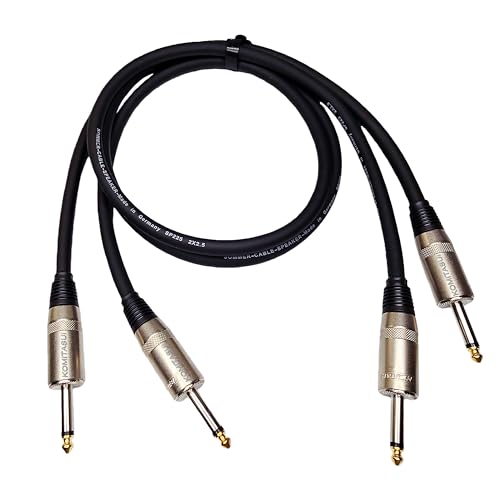
Best for compact studio connections and quick setups. The 3-foot length suits close-mic or near-field amp-to-cab layouts. Built with premium 99.9% OFC copper and gold-plated 1/4″ TS connectors, it minimizes signal loss and provides corrosion resistance. The heavy-duty jacket protects against abrasion in busy environments, while remaining flexible enough for easy routing.
Who it’s for: engineers and players that need precise, short-distance connections with minimal signal degradation. Caution: Not ideal for long runs or large venues where extra length is required.
AA AUDIO ACCESSORY 6.6ft Triple-Shielded TS Cable

Best for Marshall/Boss-style amps and cabinets. This 6.6-foot TS cable uses triple shielding and dense copper to minimize noise and preserve signal integrity across moderate-length runs. Silver-soldered joints contribute to stable connections, especially under high-demand performances or studio sessions. Useful when placing a cabinet at a comfortable distance from the head unit.
Who it’s for: players who want a balanced mid-length option with strong shielding for noisy venues. Caution: The triple shielding adds stiffness; route carefully to avoid kinks in tight stage spaces.
Hosa Pro Speaker Cable, 3 Feet
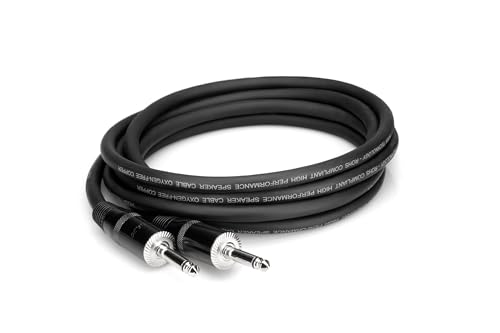
Best for reliable stage and studio use. This 3-foot cable uses REAN connectors built for durability and solid signal transfer. It is designed to endure demanding live environments with robust components that resist wear and tear. The cable is suitable for close cabinet-to-head configurations where minimized length helps reduce clutter.
Cable Matters 2-Pack 6ft TS Cables

Best for versatile instrument setups and multi-amp rigs. This two-pack of 6-foot 1/4″ TS cables features thick shielding, OFC copper conductors, and a durable PVC jacket. The design focuses on minimizing EMI noise and providing dependable performance across guitar, bass, keyboard, and PA connections. Choose this for flexible stage configurations or studio setups that require extra cable redundancy.
JSAUX 10 Ft Right-Angle Guitar Cable

Best for long-stage runs and instrument versatility. The JSAUX 10-foot cable uses multiple shields and oxygen-free copper for clean signal transmission. Its nylon braided exterior reduces tangling, and the right-angle connector helps with tight pedalboard and amp configurations. Suitable for electric guitar, bass, mandolin, and other instruments when a longer run is required.
GOGHOST 6.6ft Braided Guitar Cable
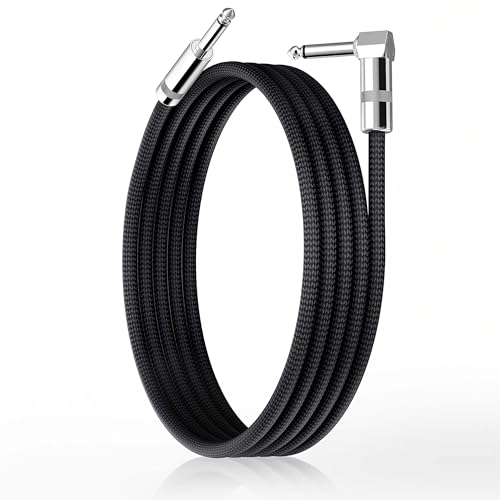
Best for durable, tangle-resistant everyday playing. The GOGHOST cable features a nylon braided exterior and high-density shielding to suppress interference, ensuring strong audio transmission. The L-shaped and straight connectors provide versatile mounting options for guitars and amps, making it a practical choice for studio and stage use. Caution: Check connector compatibility with specific amp inputs to avoid fit issues.
Buying Guide: Amp To Cab Cable Essentials
- Length and layout: Choose length based on your rig’s spacing. Shorter cables reduce signal loss and clutter; longer runs may require thicker shielding and higher-quality conductors.
- Conductor material: Premium OFC copper offers low resistance and better signal integrity. Heavier gauges (like 12 AWG) handle higher power with reduced voltage drop.
- Shielding: Triple or double shielding reduces EMI and RF interference, important in loud venues or with wireless gear nearby.
- Connectors and joints: Gold-plated or silver-soldered joints improve signal stability and corrosion resistance. Look for good strain relief to prevent breakage at connectors.
- Durability vs. flexibility: Stage gear benefits from rugged jackets, but overly stiff cables can hinder setup. Balance protection with ease of use.
- Compatibility: Ensure TS connectors fit your amp and cabinet inputs. Some guitars and amps prefer straight or right-angle ends for tight spaces.
- Intended use: For live gigs, prioritize durability and shielding. For studio use, focus on signal purity and minimal noise.
FAQ
- What is an amp-to-cab cable best used for?
It connects the amplifier head to the speaker cabinet, delivering the amplified signal to the speakers with minimal loss and noise.
- Why choose a shielded cable?
Shielding reduces electromagnetic interference from other gear, ensuring a cleaner signal in noisy environments.
- Is 12 AWG better than 14 AWG for guitar amps?
Yes, thicker conductors generally handle higher currents with less resistance, beneficial for high-power setups.
- When should I use a right-angle connector?
Right-angle connectors help in tight spaces near pedalboards and cabinets, reducing strain on the jack.
- Can I use any 1/4″ TS cable as an amp-to-cab cable?
Not always. Ensure the cable is rated for high-power applications and has quality shielding and connectors suitable for pro audio use.
- What should I avoid when selecting an amp-to-cab cable?
Avoid cables with thin jackets, flimsy joints, and poor shielding that can introduce noise or fail under stage use.