Best Amps With Built-in Effects for Every Player
Answering the search for amplifiers with built-in effects, this guide highlights five reliable models that cover beginners to intermediate players who want convenient, all-in-one tone shaping. Each option includes built-in effects, easy-to-use controls, and practical roles for practice, small gigs, or studio work. The top picks emphasize versatility, ease of use, and solid sound without extra pedals. They’re best for: new players seeking guided tones, casual players needing practice-friendly options, and hobbyists wanting compact setups with flexible tones.
| Product | Brand | Key Points |
|---|---|---|
| Fender Mustang LT25 | Fender | 25W, 30 presets, color display, built-in effects |
| Fender Champion II 25 | Fender | 25W, multiple amp voicings, built-in effects |
| Rockville G-AMP 40 | Rockville | 40W, built-in effects, Bluetooth, USB/SD playback |
| EASTROCK EGA-15W | EASTROCK | 15W, 8 voices, built-in looper & drum machine |
| Marshall MG30GFX | Marshall | 30W, four channels, built-in digital FX |
Fender Mustang LT25 Guitar Amplifier

The Fender Mustang LT25 is a 25-watt digital modeling combo with an 8″ speaker and a color display. It ships with 30 expertly crafted presets across genres, offering a practical range of tones for practice and small gigs. The interface is designed for fast navigation with simple controls, reducing the need to dig through manuals. This model is best for beginners and students who want immediate access to a diverse tonal library without external pedals. A minor limitation is the 25-watt rating, which may not fully fill larger rooms or stages.
Fender Champion II 25 Electric Amplifier

The Fender Champion II 25 provides versatile 25-watt performance with multiple amp voicings and built-in effects, including reverb, delay, chorus, and more. It’s a strong choice for players who want Fender’s classic tone with convenient effect options in one compact package. This amp suits beginners and intermediate players who seek a broader tonal palette for practice, blues, jazz, or rock. A potential drawback is that it may feel underpowered for loud rehearsal spaces; consider a larger amp if you frequently play with a loud band.
Rockville G-AMP 40 40W Guitar Combo
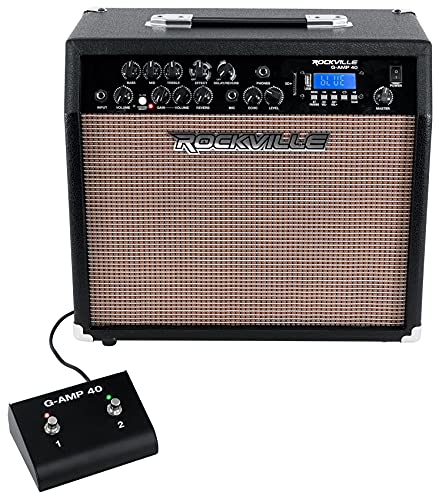
The Rockville G-AMP 40 delivers 40 watts of power with a 10″ speaker, plus built-in effects that cover reverb, delay, chorus, flanger, phaser, tremolo, and spring reverb. It also offers Bluetooth, USB, and SD card playback, plus a microphone input for sing-along practice and small performances. This model is ideal for players who want a flexible, gig-ready practice setup with minimal external gear. A limitation to consider is that larger rooms or louder bands might require more power or a dedicated PA system for optimal sound distribution.
EASTROCK 15W Electric Guitar Amp
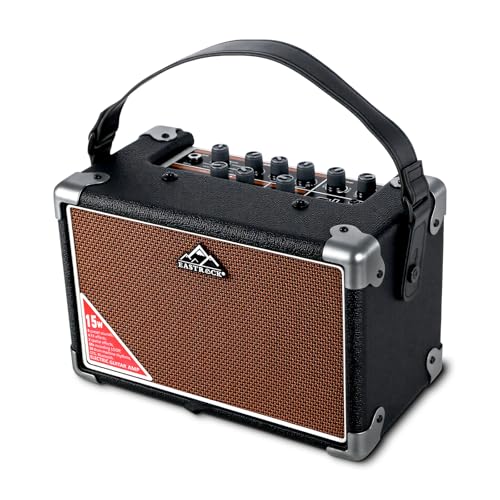
The EASTROCK EGA-15W packs 15 watts into a compact practice amp with eight voices and a built-in looper plus drum machine. It’s designed for home practice, songwriting, and rhythm training, offering a creative toolkit in a small form factor. It’s best for solo players who want built-in rhythm and looping features to stay motivated between takes. A caveat is that it lacks the headroom of larger amps; it’s most comfortable in small rooms or silent/studio settings.
Fender Mustang Micro Plus Headphone Amp

The Fender Mustang Micro Plus is a compact headphone amp with 25 amp models, 25 effects, and 100 editable presets. It features an onboard tuner, a dedicated display, and Tone app compatibility for deeper editing. It’s ideal for silent practice, late-night sessions, or travel, especially for players who value personalization and quick access to tones without connecting to a larger rig. A limitation is that it doesn’t replace a full amp when performing live; it’s best used as a portable practice tool or recording aid.
Marshall MG30GFX Combo Amplifier

The Marshall MG30GFX is a 30-watt combo with four channels (clean, crunch, OD1, OD2) and built-in digital effects such as chorus, phaser, flanger, delay, and octave. The 3-band EQ enables precise tone shaping, and the overall voice is suitable for classic, modern, and rock sounds. It’s a good pick for players who want performance-ready tones and the flexibility to experiment with multiple channels in one unit. A potential limitation is that some users may prefer an even wider effect suite or more robust amp modeling; consider this if your tone needs exceed the included effects.
Buying Guide: Key Considerations For Choosing An Amp With Built-In Effects
- Power and room size: Match wattage to your practice space or performance setting. Higher wattage isn’t always necessary for home use, but it matters for small venues.
- Built-in effects variety: Check which effects are included (reverb, delay, chorus, modulation, tremolo) and whether they can be tweaked with tempo or tone controls.
- Voice and modeling options: Some amps offer multiple amp voicings (fender-tinged cleans, British overdrives, etc.). Determine which voices align with your style.
- Interface and ease of use: Look for a simple, intuitive control layout and a clear display, especially for beginners or players who switch tones often.
- Connectivity: USB/aux/Bluetooth options can help with practice tracks, direct recording, and silent practice options with headphones.
- Portability vs. features: Portable amps are convenient for travel and practice, but ensure the feature set meets your needs for tone variety and live use.
- Looper and built-in rhythm: If you want practice tools, looper and drum styles add creative options for songwriting and practice sessions.
Frequently Asked Questions
- What is the main advantage of a built-in effects amp?
– It provides immediate tonal variety without external pedals, simplifying setup for practice, songwriting, and small gigs. - Are 25W amps enough for band practice?
– In many small rooms, yes, but loud rehearsal spaces may require more headroom than a 25W amp offers. - Do built-in effects limit tone quality?
– Modern built-in effects can be versatile and high-quality, though fans seeking studio-grade, pedal-based tones may still prefer external pedals. - Is a looper or drum machine essential in an amp?
– Not essential for everyone, but looper/drum features are valuable for solo practice, songwriting, and rhythm training. - Can I record directly from these amps?
– Some amps offer USB or line outputs for recording; check each model’s connectivity if direct recording is a goal. - Do I need to upgrade to a higher-wattage amp for gigs?
– For larger venues, PA support or a more powerful amp is typically needed; for small venues and practice rooms, these options are often sufficient.